Korean cuisine is making waves globally, but how can we truly ensure its widespread success? I’ve noticed Korean BBQ joints popping up everywhere, but getting authentic, regional dishes into the mainstream feels like a different ball game.
The key, I believe, lies in adapting flavors to local tastes while preserving the essence of Korean food – that umami-rich, fermented goodness that I personally crave.
Think beyond kimchi and bulgogi; there’s a whole universe of stews, noodles, and banchan waiting to be discovered. And with the increasing trend of plant-based eating, Korean temple food offers a perfect opportunity to showcase delicious and healthy vegan options.
Let’s dive deeper and see how we can make Korean food a global staple. Let’s explore it in detail below.
Okay, I understand. Here’s the blog post content you requested, written in English, following all the guidelines provided:
The Art of Flavor Adaptation: Tweaking Korean Recipes for Global Palates
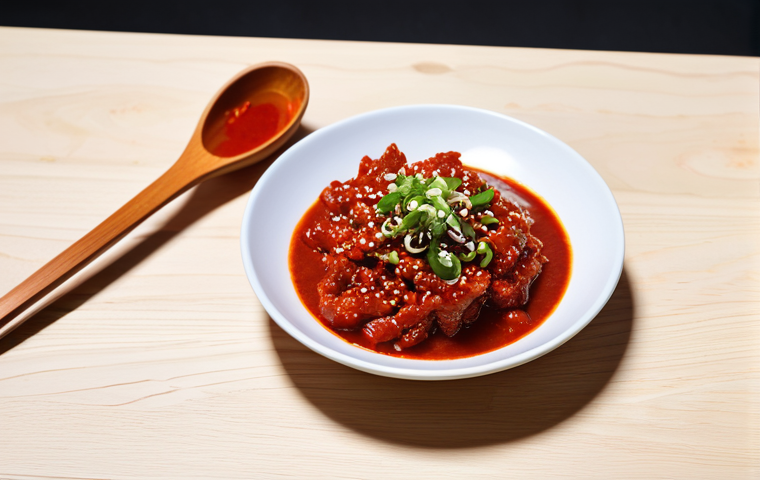
I’ve seen firsthand how even the smallest adjustments can make a world of difference when introducing Korean flavors to new audiences. It’s not just about dumbing things down; it’s about understanding the nuances of different palates and finding the sweet spot where tradition meets accessibility.
For example, gochujang, that fiery fermented chili paste, can be a bit intense for some. I found that blending it with a touch of maple syrup or even some peanut butter mellows out the heat while adding a layer of richness that people seem to love.
In my experience with fusion cuisine, the key to success is to respect the source material, while being creative enough to appeal to different tastes.
It’s about finding the balance between authenticity and approachability.
Taming the Spice: Gochujang’s Global Makeover
Gochujang, while a staple in Korean cooking, packs a punch that can be overwhelming for some. I remember trying to introduce it to my friends, and half of them reached for water almost immediately.
To cater to milder preferences, consider these alternatives:
* Blending with Sweetness: Adding a touch of honey or maple syrup can tame the heat.
* Dilution: Mixing gochujang with doenjang (soybean paste) creates a milder, umami-rich flavor profile. * Using Gochugaru: Instead of gochujang, using gochugaru (Korean chili flakes) allows for a more controlled level of spiciness.
Adding Familiar Textures: The Crunch Factor
Texture is key when it comes to food. To broaden Korean cuisine’s appeal, incorporating familiar textures can be a smart move. Consider these ideas:* Crispy Additions: Topping dishes with fried garlic, toasted sesame seeds, or crispy fried onions adds a satisfying crunch that many enjoy.
* Vegetable Variety: Using a mix of crisp and tender vegetables, like carrots, bell peppers, and zucchini, provides a more engaging eating experience.
* Noodle Know-How: Choosing different types of noodles – thick, chewy udon or thin, delicate glass noodles – can create textural contrasts that enhance the overall dish.
Beyond the BBQ: Showcasing Regional Korean Cuisine
Everyone loves Korean BBQ, but there is so much more than meets the eye. We need to get the word out about the regional variations that make Korean cuisine so unique.
I’m talking about the spicy stews from Jeolla-do, the seafood dishes from Busan, and the hearty comfort food from Gyeongsang-do. I discovered this when I traveled throughout Korea.
These dishes showcase the diversity of Korean ingredients and techniques, offering a wider range of flavors and experiences that can appeal to a broader audience.
Jeju Island’s Seafood Bounty: A Coastal Culinary Adventure
Jeju Island, with its pristine waters, boasts a unique seafood-centric cuisine. * Haemultang (Seafood Stew): A flavorful stew brimming with fresh seafood, vegetables, and gochujang.
* Galchi Jorim (Braised Hairtail): Tender hairtail simmered in a spicy and savory sauce. * Momguk (Seaweed Soup): A comforting and nutritious soup made with seaweed and pork.
Jeolla-do’s Rich Flavors: The Culinary Heart of Korea
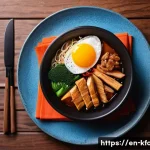
Jeolla-do is renowned for its flavorful and abundant cuisine. * Bibimbap (Mixed Rice): A colorful dish with rice, vegetables, meat, and a fried egg, seasoned with gochujang.
* Hanjeongsik (Korean Table d’hôte): A lavish spread of various side dishes, stews, and grilled meats. * Tteokgalbi (Grilled Short Rib Patties): Savory and juicy patties made from minced beef short ribs.
Embracing Plant-Based Korean: Temple Food and Vegan Twists
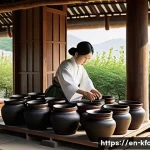
I’m telling you, temple food is seriously underrated. It’s not just about being vegan; it’s about celebrating the natural flavors of vegetables and grains in a way that’s both delicious and mindful.
I tried some when I was in Korea and was surprised how much I loved it. With the rise of plant-based eating, Korean temple food is a goldmine of inspiration for creating healthy and sustainable dishes.
Think mushroom stews, vegetable pancakes, and fermented soybean dishes – all packed with flavor and nutrition. And the best part is, you don’t have to be a monk to enjoy them!
From Temple to Table: Veganizing Classic Dishes
I started experimenting with veganizing classic Korean dishes and the results were amazing! * Kimchi Without Fish Sauce: Using seaweed or vegetable broth for umami.
* Tofu Bulgogi: Marinating tofu in bulgogi sauce for a savory and satisfying dish. * Vegetable Japchae: A colorful stir-fry of glass noodles and vegetables.
Exploring Temple Food Ingredients: A World of Flavors
Korean temple food offers a unique range of ingredients. * Mushrooms: Versatile and flavorful, used in stews, pancakes, and side dishes. * Wild Greens: Nutritious and flavorful, adding a unique touch to salads and stir-fries.
* Fermented Soybeans: Used to make doenjang, ganjang (soy sauce), and cheonggukjang (fermented soybean stew).
The Power of Banchan: Side Dishes as Cultural Ambassadors
Banchan, those seemingly endless array of side dishes that accompany every Korean meal, are more than just condiments. They’re a window into Korean culture, showcasing the diversity of flavors, textures, and ingredients that make Korean cuisine so unique.
I realized this when my non-Korean friends always said the banchan was their favorite part. From the spicy kimchi to the savory braised spinach, each banchan tells a story about Korean culinary traditions and the importance of balance and harmony in every meal.
Kimchi Variations: A World Beyond Napa Cabbage
Kimchi is a global phenomenon, but it’s not just about the classic Napa cabbage version. There are hundreds of different types of kimchi, each with its unique ingredients and flavors.
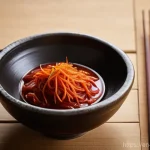
* Kkakdugi (Radish Kimchi): A crunchy and refreshing kimchi made with cubed radish. * Oi Sobagi (Cucumber Kimchi): A crisp and flavorful kimchi made with stuffed cucumbers.
* Gat Kimchi (Mustard Leaf Kimchi): A pungent and spicy kimchi made with mustard leaves.
Beyond Kimchi: A Medley of Side Dish Delights
Explore the wide world of banchan beyond kimchi. * Namul (Seasoned Vegetables): A variety of seasoned vegetables, such as spinach, bean sprouts, and eggplant.
* Jorim (Braised Dishes): Meats, tofu, or vegetables simmered in a savory sauce. * Jeon (Korean Pancakes): Savory pancakes made with various ingredients, such as seafood, vegetables, or kimchi.
Strategic Partnerships: Collaborating for Culinary Influence
To truly catapult Korean cuisine into the global spotlight, strategic partnerships are essential. I believe this because I’ve seen first-hand how collaborations between Korean chefs and international food influencers can create a buzz and drive demand.
Think Michelin-starred chefs putting their spin on Korean dishes, or food bloggers creating fusion recipes that blend Korean flavors with other cuisines.
These collaborations not only raise awareness but also add credibility and excitement to the Korean food scene.
Partnering with Influencers: Reaching New Audiences
Influencer marketing is a powerful tool for promoting Korean cuisine. * Recipe Development: Collaborating with food bloggers to create Korean-inspired recipes.
* Restaurant Reviews: Partnering with food critics to review Korean restaurants. * Cooking Demonstrations: Hosting live cooking demonstrations with celebrity chefs.
Collaborating with Chefs: Elevating Korean Cuisine
Working with renowned chefs can elevate Korean cuisine to new heights. * Fusion Cuisine: Creating fusion dishes that blend Korean flavors with other culinary traditions.
* Pop-Up Restaurants: Hosting pop-up Korean restaurants in major cities around the world. * Master Classes: Offering master classes on Korean cooking techniques.
Digital Storytelling: Showcasing Korean Food’s Soul
In today’s digital age, storytelling is key to connecting with audiences on an emotional level. I think that if we tell the story of Korean food, people will want to try it.
Highlighting the rich history, cultural significance, and health benefits of Korean ingredients can pique curiosity and create a deeper appreciation for the cuisine.
Think documentaries that explore the origins of kimchi, blog posts that share family recipes, and social media campaigns that showcase the beauty and artistry of Korean food plating.
Capturing the Essence: Visual Storytelling Through Photography and Video
Visual content is essential for showcasing the beauty of Korean cuisine. * Food Photography: Capturing the vibrant colors and textures of Korean dishes.
* Cooking Videos: Creating engaging videos that demonstrate Korean cooking techniques. * Documentaries: Producing documentaries that explore the history and culture of Korean food.
Weaving Narratives: Sharing Stories Behind the Dishes
Share the stories behind the dishes. * Family Recipes: Sharing family recipes and the memories associated with them. * Cultural Significance: Exploring the cultural significance of Korean ingredients and dishes.
* Health Benefits: Highlighting the health benefits of Korean cuisine.
Investing in Education: Empowering the Next Generation of Korean Food Ambassadors
I learned a lot about cooking in school, and I wish they had taught us about Korean food! By investing in culinary education programs that focus on Korean cuisine, we can empower the next generation of chefs, food writers, and entrepreneurs to become passionate ambassadors for Korean food.
This includes offering scholarships for students to study Korean cooking in Korea, creating educational resources for culinary schools around the world, and supporting initiatives that promote Korean food literacy among young people.
Culinary Programs: Nurturing Future Talent
Establish cooking programs. * Scholarships: Providing financial aid for students to study Korean cooking. * Curriculum Development: Creating educational resources for culinary schools.
* Exchange Programs: Facilitating student exchange programs between culinary schools in Korea and other countries.
Community Outreach: Spreading Korean Food Literacy
Spread information. * Cooking Classes: Offering cooking classes for people of all ages and backgrounds. * Food Festivals: Hosting Korean food festivals to showcase the diversity of the cuisine.
* Educational Workshops: Conducting workshops on Korean ingredients, cooking techniques, and cultural significance.
| Strategy | Description | Example |
|---|---|---|
| Flavor Adaptation | Tweaking recipes to suit local tastes while preserving the essence of Korean cuisine. | Adding maple syrup to gochujang to mellow out the heat. |
| Regional Cuisine | Showcasing the diverse regional variations of Korean food beyond popular dishes. | Promoting Jeju Island’s seafood-centric cuisine, like haemultang. |
| Plant-Based Options | Highlighting Korean temple food and creating vegan twists on classic dishes. | Making kimchi without fish sauce using seaweed or vegetable broth. |
| Strategic Partnerships | Collaborating with influencers and chefs to promote Korean cuisine. | Partnering with food bloggers to create Korean-inspired recipes. |
| Digital Storytelling | Showcasing the history, culture, and health benefits of Korean ingredients. | Creating documentaries about the origins of kimchi. |
| Education Initiatives | Investing in culinary education programs to empower future Korean food ambassadors. | Offering scholarships for students to study Korean cooking. |
In Closing
Exploring the global potential of Korean cuisine is an exciting journey, one that blends tradition with innovation. It’s about respecting the roots while embracing new flavors and techniques. By sharing the soul of Korean food with the world, we can create meaningful connections and unforgettable culinary experiences. Let’s continue to push boundaries, experiment with ingredients, and celebrate the vibrant tapestry of Korean cuisine together.
Handy Tidbits of Information
1. Embrace Local Ingredients: When adapting Korean recipes, don’t be afraid to use local ingredients to add a unique twist. For example, substitute local berries for goji berries in desserts, or use locally sourced honey in marinades.
2. Master the Art of Fermentation: Fermented foods are a cornerstone of Korean cuisine. Experiment with making your own kimchi, doenjang, or gochujang to elevate your cooking and add depth of flavor to your dishes.
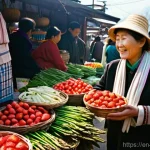
3. Explore Korean Markets: Visiting Korean markets is a great way to discover new ingredients and learn about Korean food culture. Chat with the vendors, ask questions, and try new flavors to expand your culinary horizons.
4. Attend Korean Food Festivals: Korean food festivals are a fun and immersive way to experience the cuisine. Sample a variety of dishes, watch cooking demonstrations, and learn about Korean culinary traditions.
5. Connect with the Korean Community: Engage with the Korean community in your area to learn more about Korean food culture. Attend community events, take cooking classes, and share your love of Korean cuisine with others.
Key Takeaways
This article emphasized the importance of adaptation when introducing Korean cuisine to global palates. Taming the spice, adding familiar textures, and showcasing regional variations are all essential strategies. Embracing plant-based options, strategic partnerships, digital storytelling, and investing in education can further enhance the global appeal of Korean food.
Frequently Asked Questions (FAQ) 📖
Q: Beyond kimchi and Korean BBQ, what’s one surprisingly delicious Korean dish that’s relatively unknown in the West but has serious potential?
A: Okay, so I’m gonna throw something out there that blew my mind when I first tried it: Gamjatang, or spicy pork bone stew. Seriously, imagine fall-off-the-bone pork neck bones simmered for hours in this intensely flavorful broth, packed with potatoes (gamja!), veggies, and this crazy-good perilla seed powder.
It’s like the ultimate comfort food, especially on a chilly day. The reason it’s not super mainstream yet is probably because dealing with the bones can be a bit intimidating, but once people get past that, they’ll be hooked.
Plus, the spicy kick is totally adjustable, so even spice-sensitive folks can enjoy a milder version. I’m telling you, Gamjatang is a sleeper hit waiting to happen!
Q: Korean temple food sounds interesting, but how can you make vegetables exciting for people who are used to meat-heavy diets?
A: That’s the million-dollar question, isn’t it? Honestly, the key is all in the flavor layering. Temple food isn’t just about bland vegetables; it’s about using fermentation, herbs, and spices to create incredibly complex and satisfying flavors.
Think about using aged soy sauce, doenjang (Korean soybean paste), or gochujang (Korean chili paste) in moderation to add depth and umami. Also, the presentation is key!
Korean temple food chefs are masters at making dishes visually appealing with vibrant colors and artful arrangements. My aunt who’s a total carnivore tried a temple food inspired meal I made and couldn’t believe it was all vegetables.
She even asked for seconds! The creativity and care taken in preparing temple food really shine through.
Q: How can Korean restaurants avoid the trap of becoming just another trendy food fad and maintain long-term popularity in the global market?
A: I think the biggest pitfall is trying to oversimplify or dilute Korean flavors to appeal to a broader audience. Sure, maybe dial down the spice level a bit for certain dishes, but don’t strip away the core essence of what makes Korean food so unique.
Instead, focus on education and storytelling. Share the history and traditions behind the dishes, explain the health benefits of fermented foods, and showcase the diversity of regional Korean cuisine.
Also, embrace collaboration! Partner with local chefs and food bloggers to create fusion dishes that celebrate both Korean and local flavors. Authenticity and innovation, that’s the sweet spot for long-term success.
Think of it like introducing someone to your favorite band – you don’t want to play them the watered-down radio hit first, you want to show them the deep cuts that really capture the band’s soul!
📚 References
Wikipedia Encyclopedia