Okay, here’s an intro paragraph about Korean traditional liquor, tailored for an English-speaking audience, keeping all your instructions in mind:Ever wondered what it’s like to sip on something that tastes like history itself?
Well, buckle up, because Korean traditional liquors, or *sool*, are about to blow your mind. Forget that green bottle of *soju* you grabbed once at the Korean grocery store – we’re talking about complex, nuanced flavors that have been perfected over generations.
These aren’t mass-produced; they’re crafted with passion, using local ingredients and ancient techniques. From the floral notes of *makgeolli* to the fiery kick of *soju*, there’s a *sool* out there for everyone.
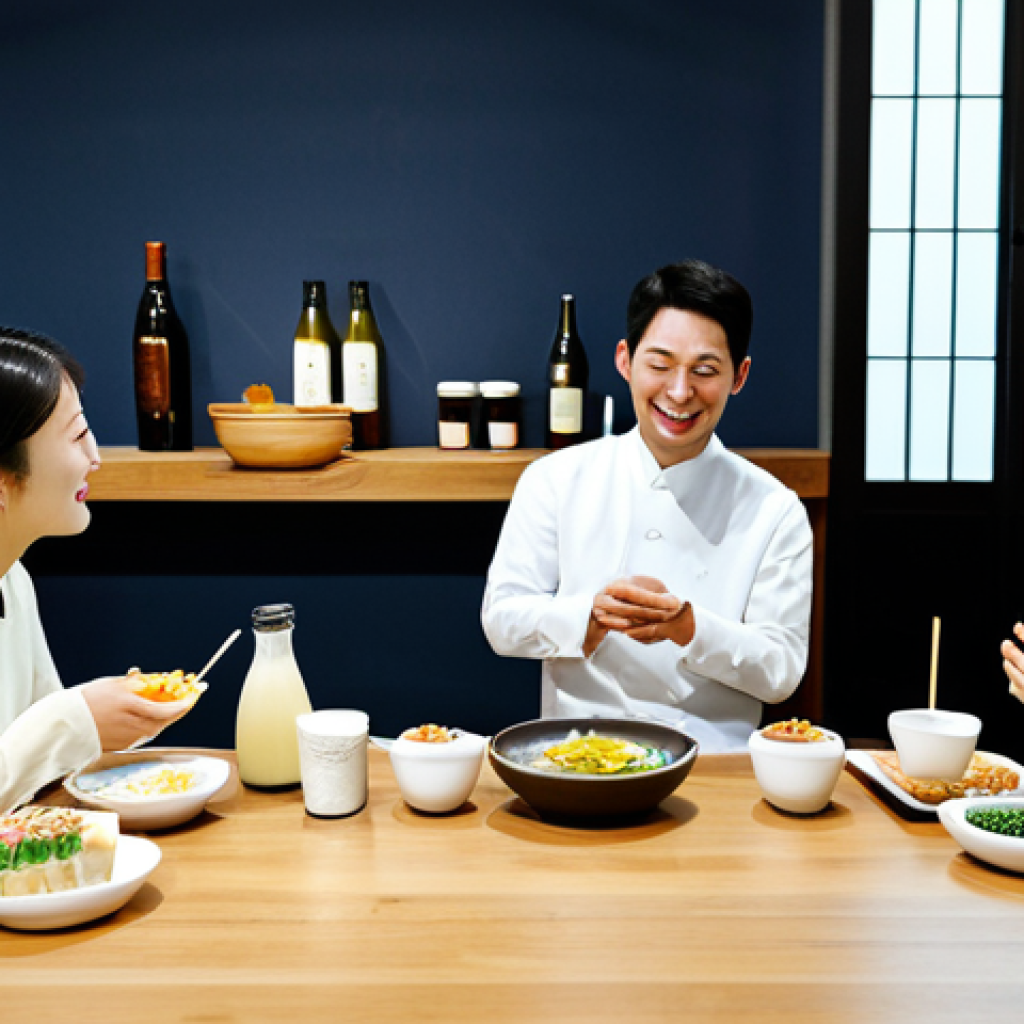
Even better, *hansik* (Korean food) and *sool* pairing is the next big thing, according to my foodie friends who are always chasing the latest trends.
Let’s delve deeper and discover the hidden gems of Korean traditional liquor together!
Okay, let’s dive into the fascinating world of Korean traditional liquors!
Unveiling the Diverse World of Makgeolli: More Than Just Rice Wine
Makgeolli often gets brushed off as just “Korean rice wine,” but that’s like calling a Ferrari “just a car.” It’s a vast category with incredible variations.
I remember the first time I truly appreciated makgeolli. I was at a small brewery in the countryside, and the owner insisted I try his unfiltered version.
The texture was slightly effervescent, almost creamy, and the taste was a revelation – subtly sweet with a tangy kick. It was nothing like the mass-produced stuff I’d had before.
Experiencing the Nuances of Regional Makgeolli
What I quickly learned is that makgeolli isn’t a monolith. Different regions use different rice varieties, fermentation techniques, and even local water sources, leading to wildly different flavor profiles.
Think of it like wine; a Napa Valley Cabernet Sauvignon is going to taste dramatically different from a Bordeaux. The same applies to makgeolli. I recommend seeking out varieties from different regions and comparing them.
You might be surprised!
Pairing Makgeolli with Your Favorite Foods
Makgeolli is incredibly versatile when it comes to food pairings. The slight acidity cuts through rich, savory dishes like Korean barbecue, while the sweetness complements spicy foods like *tteokbokki* (spicy rice cakes).
I’ve even found that a slightly tart makgeolli pairs beautifully with creamy cheeses. Don’t be afraid to experiment!
Soju: Beyond the Green Bottle – Exploring Premium Varieties
We all know *soju*, that ubiquitous green bottle found in every Korean restaurant. But did you know that there’s a whole world of premium soju out there, crafted with care and bursting with flavor?
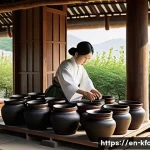
These aren’t your college-days hangover culprits. We’re talking about handcrafted soju distilled from the finest rice, aged in traditional *onggi* (earthenware pots), and imbued with subtle nuances that will make you rethink everything you thought you knew about this spirit.
The Art of Distillation: Unveiling the Secrets of Premium Soju
Premium soju is all about the distillation process. Unlike the mass-produced stuff, which often uses cheaper grains and artificial sweeteners, premium soju is distilled slowly and carefully, often multiple times, to remove impurities and concentrate the flavors.
Some distillers even use traditional pot stills, similar to those used in Scotch whisky production.
Soju Cocktails: Elevating Your Mixology Game
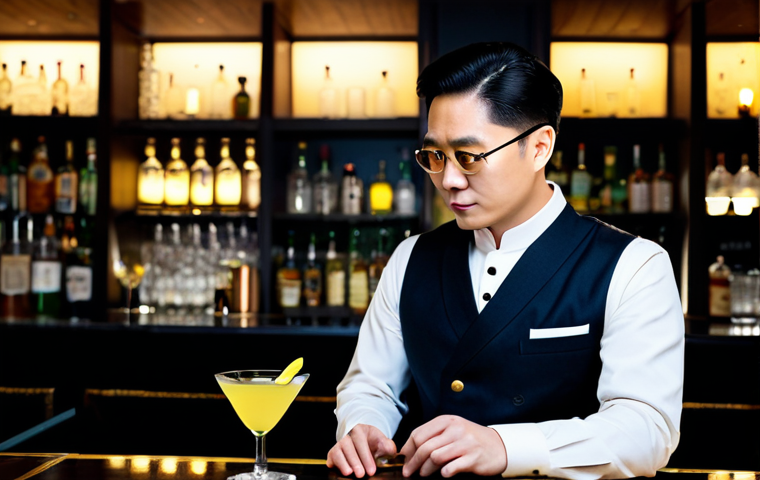
While premium soju is delicious on its own, it also shines in cocktails. Its clean, crisp flavor makes it a perfect base for a variety of drinks. Try substituting soju for vodka in your favorite cocktails for a unique twist.
I personally love a soju martini with a lemon twist – it’s surprisingly refreshing!
Yakju & Cheongju: Elegant and Refined Rice Wines
*Yakju* and *cheongju* are refined rice wines, often enjoyed during special occasions or as an aperitif. They are clearer and smoother than *makgeolli*, having undergone a filtration process that removes the sediment.
These wines are known for their delicate flavors and aromas.
The Art of Brewing Yakju and Cheongju
*Yakju* and *cheongju* production is a meticulous process that requires precision and patience. Brewers carefully select the finest rice and use traditional fermentation techniques to create a clear, fragrant wine.
The fermentation process can take several weeks or even months, depending on the desired flavor profile.
Serving and Savoring Yakju and Cheongju
These wines are best served chilled or at room temperature in small glasses or ceramic cups. The flavor profiles range from floral and fruity to savory and herbal, depending on the ingredients and brewing methods used.
I find *cheongju* goes exceptionally well with sushi or other delicate seafood dishes.
Fruit Wines and Infusions: Adding a Korean Twist to Your Palate
Korea boasts a variety of fruit wines and infusions, often made with locally sourced ingredients. From plum wine (*maesilju*) to raspberry wine (*bokbunja*), these beverages offer a sweet and fruity alternative to rice-based liquors.
The Charm of Locally Sourced Ingredients
Korean fruit wines are celebrated for their vibrant flavors, which reflect the region’s unique agricultural landscape. The use of fresh, seasonal fruits ensures that each sip is packed with natural sweetness and aromatic complexity.
I particularly enjoyed a *bokbunja* wine I tried in Gochang, North Jeolla Province, which is renowned for its high-quality raspberries.
Pairing Fruit Wines with Desserts and Light Meals
Fruit wines are excellent companions to desserts, cheeses, and light appetizers. The sweet and tangy notes of plum wine enhance the flavors of rich, creamy desserts, while raspberry wine complements savory cheese platters.
These wines can also be enjoyed as aperitifs or after-dinner drinks.
Regional Specialties: Exploring the Unique Flavors of Korea
Each region in Korea has its own unique traditional liquors, often made with local ingredients and techniques passed down through generations. Exploring these regional specialties is a great way to experience the diverse flavors of Korea.
Jeolla-do: A Hub of Culinary Delights and Unique Liquors
Jeolla-do, known as Korea’s culinary heartland, offers a range of distinct liquors. One notable example is *hongju*, a red-colored liquor made with fermented rice and medicinal herbs.
*Hongju* is often enjoyed during special occasions and celebrations, as it symbolizes good fortune and vitality.
Jeju Island: Sampling Local Ingredients in Traditional Sool
Jeju Island, with its volcanic soil and unique climate, produces liquors made with local ingredients such as citrus fruits and volcanic rock water. *Omegisul* is a traditional Jeju liquor made from fermented millet, known for its slightly sweet and earthy flavor.
Another local favorite is citrus-infused soju, which offers a refreshing and tangy twist on the classic spirit.
Pairing Korean Traditional Liquors with Food: A Guide
Here’s a quick guide on how to pair different types of Korean traditional liquors with food. It’s based on my experiences experimenting with different flavor combinations – trust me, it’s a fun (and delicious) process!
| Liquor | Flavor Profile | Recommended Food Pairings |
|---|---|---|
| Makgeolli | Sweet, tangy, creamy, slightly effervescent | Korean BBQ, spicy dishes (tteokbokki), pancakes (pajeon), creamy cheeses |
| Soju (Premium) | Clean, crisp, neutral, subtle floral or fruity notes | Sashimi, grilled seafood, light appetizers, cocktails |
| Yakju & Cheongju | Delicate, smooth, floral, fruity, slightly dry | Sushi, delicate seafood, steamed dishes, light salads |
| Plum Wine (Maesilju) | Sweet, tangy, fruity, aromatic | Desserts, cakes, creamy cheeses, fruit platters |
| Raspberry Wine (Bokbunja) | Sweet, tart, fruity, rich | Cheese platters, chocolate desserts, grilled meats, hearty stews |
Where to Find and Purchase Korean Traditional Liquors
Finding the right *sool* often depends on where you live. Here’s a breakdown of some options:
Local Korean Restaurants and Markets
Many Korean restaurants carry a selection of *makgeolli* and *soju*. Ask your server for recommendations or explore the menu for unique options. Korean grocery stores often have a wider selection, including regional specialties and imported brands.
Take a stroll through the liquor aisle – you might discover a hidden gem!
Online Retailers Specializing in Asian Beverages
Several online retailers specialize in Asian beverages, including Korean traditional liquors. These retailers often offer a curated selection of premium *sool* from various regions in Korea.
Be sure to check for shipping restrictions and age verification requirements before making a purchase.
Visiting Korean Breweries and Distilleries (If Possible)
If you ever find yourself traveling to Korea, consider visiting local breweries and distilleries. Many establishments offer tours and tastings, allowing you to sample a variety of *sool* and learn about the production process firsthand.
It’s a fantastic way to immerse yourself in the culture and discover unique flavors that you won’t find anywhere else. I hope this exploration has piqued your interest in the wonderful world of Korean traditional liquors.
Cheers, or as they say in Korea, *Geonbae*!
Wrapping Up
Exploring the world of Korean traditional liquors is a journey of flavors and traditions. From the creamy depths of *makgeolli* to the refined elegance of *cheongju*, there’s a *sool* for every palate and occasion. I hope this guide inspires you to seek out these unique beverages and discover your own personal favorites. *Geonbae*!
Good to Know Information
1. *Makgeolli* is best enjoyed fresh. Look for bottles with a recent production date.
2. Premium *soju* is often aged in *onggi* (traditional earthenware pots) which impart a unique earthy flavor.
3. When serving *yakju* or *cheongju*, consider the temperature. Chilling enhances the delicate flavors.
4. Experiment with *soju* cocktails. It’s a versatile spirit that pairs well with various mixers and garnishes.
5. Look for locally produced fruit wines when traveling in Korea. Each region boasts unique varieties.
Key Takeaways
Korean traditional liquors offer a diverse range of flavors and experiences. *Makgeolli* is a versatile pairing for spicy and savory foods, while premium *soju* elevates cocktails with its clean taste. *Yakju* and *cheongju* are best savored chilled, and fruit wines add a sweet twist. Exploring regional specialties provides insight into Korea’s unique culinary landscape.
Frequently Asked Questions (FAQ) 📖
Q: I’m throwing a Korean BBQ party this weekend. Which sool should I serve to my guests?
A: That’s awesome! For a Korean BBQ party, I would suggest a combination of makgeolli and a fruit-flavored soju. Makgeolli, with its milky and slightly sweet flavor, pairs excellently with the grilled meats and rich flavors of K-BBQ.
I actually served it at my friend Sarah’s BBQ last summer, and it was a total hit! The fruit-flavored soju, like grapefruit or peach, is a lighter and more refreshing option that appeals to those who might not be used to stronger liquors.
I would stay away from the traditional soju as it is an acquired taste and can be very strong with some Korean BBQ that is already full of flavor. Just a tip from someone who has learned from experience!
Q: Where can I find authentic Korean traditional liquors in the US?
A: re they only available in Korean restaurants? A2: Luckily, it’s getting easier to find authentic sool here in the States! While some Korean restaurants will carry a few selections, especially the higher-end ones, your best bet is to check out specialty liquor stores or Asian supermarkets in areas with a significant Korean population.
I’ve even seen a growing number of online retailers that ship nationwide. Look for brands that emphasize traditional brewing methods and locally sourced ingredients; this usually indicates a higher-quality product.
Be warned that if you go to a non-specialty shop, they will likely only carry Chamisul soju or Kook Soon Dang makgeolli which is not the wide variety that Korean sool has to offer.
Q: I’ve heard about makgeolli hangovers. Is that a myth, or is there a way to avoid them?
A: Okay, let’s be real – makgeolli hangovers are a thing, but they’re definitely manageable! The main culprit is the relatively high sugar content in some makgeolli.
To avoid that dreaded morning-after feeling, drink plenty of water while you’re enjoying your makgeolli. Also, try to choose a makgeolli that is made with natural sweeteners (I find that it helps).
Personally, I always make sure to have a big Korean pear (배 – bae) after drinking any sool, it is my grandmother’s hangover remedy. Also, knowing your limits and not overdoing it is key!
Cheers (건배 – geonbae) and drink responsibly!
📚 References
Wikipedia Encyclopedia
구글 검색 결과
구글 검색 결과
구글 검색 결과
구글 검색 결과
구글 검색 결과