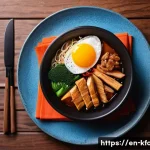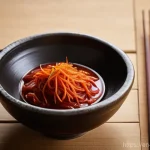
Hey there, foodies and fellow plant-based adventurers! If you’re anything like me, you’ve probably noticed how much the world of food has transformed recently.
It feels like every other day there’s a new trend, but one that’s truly captured my heart (and my stomach!) is the incredible rise of vegetarian and vegan eating.
And let’s be honest, who hasn’t fallen head over heels for Korean cuisine lately? Thanks to the amazing “Korean Wave” of K-pop and K-dramas, vibrant flavors like gochujang and kimchi are practically household names, and the demand for delicious, plant-forward options is absolutely booming!
I’ve personally been exploring how these two incredible movements — the global shift towards plant-based diets and our collective obsession with Korean food — are coming together in the most exciting way possible: through Korean vegetarian meal kits.
It’s not just about healthy eating anymore; it’s about discovering rich traditions and innovative new dishes that are super convenient and packed with flavor, aligning perfectly with our busy modern lives.
I’ve found that these kits cut down on grocery trips, reduce food waste, and honestly, make dinner so much more fun. From what I’ve seen, this isn’t just a fleeting fad; major food companies are pouring resources into developing these delicious, sustainable options, proving that this is truly the future of delicious, guilt-free dining right at home.
It’s a game-changer for anyone looking to enjoy the best of both worlds without the fuss. Curious to dive deeper into how these Korean vegetarian meal kits are revolutionizing our kitchens and our taste buds?
Let’s explore this delicious trend and find out exactly what makes them so special.
Unlocking the Magic of Korean Plant-Based Flavors
Stepping into the world of Korean vegetarian meal kits has been an absolute revelation for my taste buds, and frankly, my whole approach to cooking. For years, I adored Korean food, but the idea of making authentic, plant-based versions at home often felt like a monumental task, especially with the intricate sauces and fermentation processes. But these kits? They’ve completely changed the game. They manage to bottle up all the vibrant, nuanced flavors we adore – the spicy kick of gochujang, the savory depth of soy sauce, the zing of garlic, and the subtle sweetness of pear or mirin – and present them in a way that’s astonishingly easy to prepare without compromising on authenticity. I’ve found myself whipping up dishes that taste like they came straight from a bustling Seoul kitchen, all while knowing I’m nourishing my body with wholesome, plant-powered goodness. It’s not just about replicating a dish; it’s about experiencing the soul of Korean cooking, reimagined for a modern, plant-focused palate, right in your own kitchen. This blending of traditional Korean culinary art with contemporary dietary choices is what makes these kits truly stand out, offering an accessible and delightful way to explore a rich food culture. I’ve personally experienced the joy of introducing friends who were skeptical about plant-based eating to these dishes, and watching their faces light up with surprise and delight at how incredibly flavorful and satisfying they are.
The Secret Sauce: Authentic & Accessible Ingredients
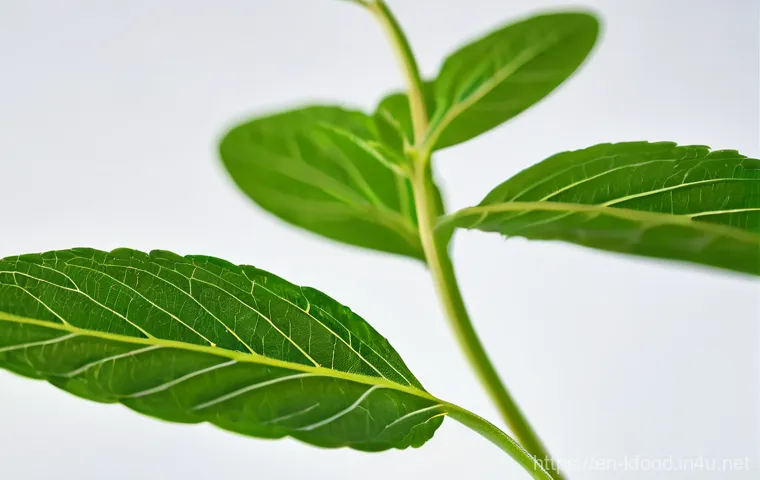
What truly impresses me about these Korean vegetarian meal kits is how they nail the flavor profiles using plant-based ingredients. Many kits source high-quality, authentic Korean staples like fermented gochujang (chili paste), gochugaru (chili flakes), soy sauce, and sesame oil, ensuring that even without meat, the dishes retain their signature depth and complexity. They often include lesser-known but equally vital ingredients like soybean paste (doenjang), perilla leaves, and various kinds of mushrooms, which contribute incredible umami and texture. I’ve discovered ingredients I wouldn’t have known to look for at my local grocery store, expanding my culinary horizons in the process. The magic lies in the perfectly portioned, pre-mixed sauces and marinades that take all the guesswork out of seasoning. It means you get that perfect balance of sweet, savory, spicy, and umami every single time, without having to experiment with a dozen different bottles and jars. It’s like having a seasoned Korean chef guiding you through every step, ensuring a delicious outcome.
Beyond Kimchi: A World of Plant-Based Delights
While kimchi is undeniably a superstar of Korean cuisine, these meal kits invite you to explore a much broader spectrum of plant-based dishes. I’ve tried everything from comforting Sundubu Jjigae (soft tofu stew) to spicy Japchae (glass noodle stir-fry) and savory Kimchi Buchimgae (pancakes), all thoughtfully adapted to be completely vegetarian or vegan. It’s not just about swapping out meat; it’s about crafting dishes where vegetables, tofu, and other plant proteins are the undisputed heroes, celebrated for their unique textures and flavors. Many kits offer options for classic dishes that traditionally contain meat or seafood, but expertly substitute them with plant-based alternatives like savory mushrooms, textured vegetable protein, or firm tofu, proving that you don’t need animal products to create a truly satisfying and memorable meal. This diversity is fantastic because it keeps things exciting and prevents “food fatigue.” Each kit feels like a new adventure, a fresh opportunity to discover another delicious facet of Korean cooking that I might not have encountered otherwise. I particularly love how they introduce me to different cooking techniques and ingredient combinations that I can then adapt for my own kitchen experiments.
The Ultimate Time-Saver for Busy Foodies
Let’s be real, in our fast-paced lives, time is a precious commodity, especially when it comes to preparing healthy, delicious meals. That’s where Korean vegetarian meal kits truly shine as a game-changer. I used to spend what felt like an eternity planning meals, writing grocery lists, navigating crowded supermarkets, and then still facing the daunting task of chopping and prepping everything. But with these kits, that entire stressful cycle is practically eliminated. Everything you need is neatly packaged, pre-portioned, and often pre-chopped, arriving right at your doorstep. It’s like magic! Suddenly, a complex-sounding Korean dish becomes an achievable weeknight dinner, often ready in 30 minutes or less. I’ve found myself with so much more free time in the evenings – time to relax, catch up on a K-drama (fitting, right?), or simply unwind, rather than being chained to the kitchen. For anyone juggling work, family, or just a busy social life, this convenience isn’t just a perk; it’s an essential tool for maintaining a healthy and enjoyable diet without sacrificing precious hours. It’s enabled me to eat more home-cooked meals, which means less reliance on expensive and often less healthy takeout, all while exploring new flavors.
Streamlined Shopping & Zero Food Waste
One of the hidden benefits I’ve absolutely fallen in love with is how these kits simplify my grocery shopping and drastically reduce food waste. Think about it: how many times have you bought a whole bunch of parsley or a jar of a specific sauce for just one recipe, only for the rest of it to sit in your fridge until it eventually goes bad? With meal kits, every ingredient is perfectly measured for the dish, meaning you use everything provided. There are no forgotten vegetables wilting in the back of the crisper drawer, no half-empty containers of obscure ingredients taking up valuable pantry space. This precise portioning not only saves money in the long run by preventing spoilage but also makes grocery shopping a breeze. I’m no longer buying random items just to make a single recipe; instead, my core shopping list can be dedicated to pantry staples, fresh fruits, and anything else I might want for quick snacks. This efficiency has been a pleasant surprise and a huge win for both my wallet and my environmental conscience. It also means my fridge is less cluttered, making it easier to see what I have and plan for other meals.
Effortless Cooking, Chef-Level Results
Even for someone who loves to cook, there are days when the motivation just isn’t there. But with these kits, the cooking process itself becomes a joy, not a chore. The instructions are usually incredibly clear, step-by-step, and often accompanied by helpful pictures or even QR codes linking to video tutorials. It’s like having a culinary instructor right there in your kitchen, patiently guiding you through each stage. I’ve tackled dishes I would have otherwise considered too intimidating, only to find myself pleasantly surprised by how simple and straightforward they were to execute. The beauty is that you still get the satisfaction of cooking a homemade meal, but without all the heavy lifting of recipe research and ingredient sourcing. It’s a perfect balance – enough involvement to feel accomplished, but not so much that it becomes overwhelming. The result? Delicious, Instagram-worthy meals that taste like they came from a restaurant, all thanks to a little help from a box. This ease of use also makes them fantastic for beginner cooks who want to expand their repertoire, or even for seasoned chefs looking for a quick and flavorful weeknight option.
A Delicious Dive into Diverse Culinary Traditions
One of the most enriching aspects of exploring Korean vegetarian meal kits has been the opportunity to immerse myself in the rich tapestry of Korean culinary traditions, all from the comfort of my own home. It’s more than just food; it’s a cultural experience delivered straight to my kitchen. The “Korean Wave” has certainly made K-pop and K-dramas global sensations, and alongside that, people are becoming increasingly curious about the food that accompanies these vibrant cultural exports. These kits bridge that gap beautifully, allowing you to taste and understand the stories behind dishes. I’ve learned about the importance of fermentation in Korean cuisine through dishes like various kimchi stews, and appreciated the balance of five colors (obangsaek) in bibimbap, which isn’t just aesthetically pleasing but also symbolizes nutritional balance. It feels like I’m traveling to Korea with every meal, exploring regional specialties and seasonal ingredients without ever leaving my kitchen. This connection to culture through food is something I deeply cherish, and these kits make it wonderfully accessible to everyone, regardless of their prior experience with Korean cooking. It’s truly a delicious form of education.
Exploring Regional Specialties from Your Kitchen
Korean cuisine is incredibly diverse, with distinct regional flavors and ingredients, and these meal kits often offer glimpses into that variety. While many might only know of popular dishes like bibimbap or bulgogi (often adapted to plant-based in these kits), I’ve discovered kits featuring dishes inspired by specific regions. For example, some kits might focus on recipes with a Gyeongsang-do spicy kick, or the more delicate flavors often found in Jeolla-do cuisine. It’s not always explicitly stated on the packaging, but as I learn more about Korean food, I start recognizing these subtle regional influences in the ingredient choices and flavor profiles. It’s like a delicious scavenger hunt! This element of discovery makes each new kit exciting, offering a chance to taste something truly unique and perhaps less common in mainstream Korean restaurants outside of Korea. It truly broadens my understanding and appreciation for the depth of Korean gastronomy, showing that there’s so much more to explore beyond the most well-known dishes. It’s a culinary journey without the plane ticket.
Seasonal Ingredients & Their Significance
Another fascinating dimension these kits sometimes bring is an awareness of seasonal ingredients, which are incredibly important in traditional Korean cooking. While not every kit is strictly seasonal, many prioritize fresh vegetables that are widely available and celebrated for their flavor and nutritional value during certain times of the year. For instance, you might find kits emphasizing crisp radishes and cabbages in the fall and winter for kimchi-making, or vibrant greens and mushrooms in the spring and summer. This focus on what’s fresh and in season not only enhances the flavor of the dishes but also connects us to the agricultural cycles that have shaped Korean cuisine for centuries. It’s a subtle nod to a more sustainable and mindful way of eating. When I cook with these ingredients, I feel a stronger connection to the natural world and the traditions that celebrate its bounty. It’s a gentle reminder that delicious food often begins with fresh, high-quality, and seasonal produce, a philosophy that these Korean vegetarian meal kits beautifully embody.
Nourishing Your Body, Nurturing Our Planet
As someone deeply invested in both my health and the health of our planet, the rise of Korean vegetarian meal kits feels like a perfect alignment of values. Shifting towards a more plant-based diet is something I’ve championed for years, recognizing its immense benefits for personal well-being, from improved digestion to increased energy levels. These kits make that transition or maintenance incredibly easy and delicious. They are packed with nutrient-dense vegetables, often feature lean protein sources like tofu or tempeh, and incorporate healthy fats from sesame oil and seeds. Beyond the immediate health advantages, embracing plant-based options through these kits also carries a significant environmental impact. Reduced meat consumption lessens our carbon footprint, conserves water, and supports more sustainable agricultural practices. It’s a win-win situation where every meal you prepare isn’t just good for you, but also contributes to a healthier planet. I’ve personally felt a noticeable difference in my energy and overall vitality since consistently incorporating more plant-forward Korean meals into my routine, and these kits have been instrumental in making that happen effortlessly.
Health Benefits That Truly Matter
Let’s talk about the incredible health punch these Korean vegetarian meal kits deliver. Traditional Korean cuisine is already celebrated for its reliance on fermented foods, which are fantastic for gut health, and its abundance of fresh vegetables. When you make it explicitly vegetarian or vegan, you amplify those benefits. I’m talking about a diet rich in fiber, vitamins, and minerals, often lower in saturated fat and cholesterol. Many kits feature ingredients like mushrooms (packed with antioxidants and immune-boosting properties), seaweed (a fantastic source of iodine and trace minerals), and a rainbow of colorful vegetables, each offering its unique set of phytonutrients. The emphasis on balanced flavors also means less reliance on excessive sugars or unhealthy fats, promoting a more wholesome way of eating. For me, knowing that I’m fueling my body with such wholesome, unprocessed ingredients from these kits gives me peace of mind and keeps me feeling my best. It’s not just about losing weight or hitting specific macros; it’s about genuine, sustainable wellness that tastes amazing.
A Sustainable Choice for a Greener Tomorrow
Beyond personal health, the environmental benefits of opting for Korean vegetarian meal kits are undeniable and something I feel passionate about. The livestock industry is a major contributor to greenhouse gas emissions, deforestation, and water pollution. By choosing plant-based meals, even just a few times a week, we collectively reduce the demand for animal products, thereby lessening our environmental footprint. These kits, with their pre-portioned ingredients, also help combat food waste, which is another significant environmental problem. Less waste means less energy and resources expended on food that ultimately ends up in landfills. I’ve personally noticed how much less garbage I produce on weeks when I rely more heavily on these kits. It’s a small but impactful way to make a difference. Supporting companies that prioritize sustainable sourcing and packaging further amplifies this positive impact, making every delicious meal a step towards a more sustainable and responsible future for our planet. It feels good knowing that my dinner choices can have a positive ripple effect.
My Personal Kitchen Adventures with These Kits
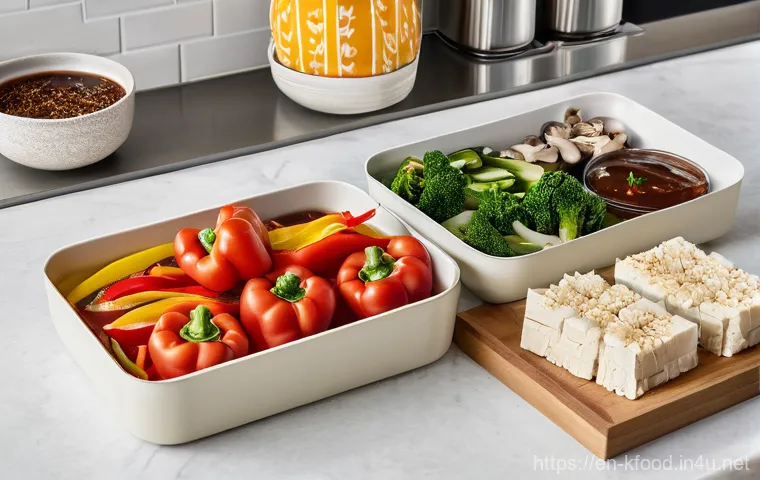
I’ve always considered myself a pretty adventurous eater and a decent home cook, but my journey with Korean vegetarian meal kits has added a whole new layer of excitement and learning to my culinary life. Before I started trying these, my knowledge of plant-based Korean cooking was pretty basic, mostly limited to a handful of recipes I’d found online. I was intimidated by the sheer variety and perceived complexity of many dishes. But these kits, they’ve been my personal culinary guides, holding my hand through everything from perfectly blanching vegetables for banchan to mastering the art of making a savory, sticky tteokbokki sauce. It’s been a blast experimenting with different brands and discovering their unique takes on classic dishes. I remember one evening, attempting a vegan bibimbap kit, and being utterly amazed by how vibrant and satisfying it was, especially with the perfectly seasoned gochujang. It wasn’t just a meal; it was an experience, a little victory in my kitchen. These aren’t just boxes of ingredients; they are invitations to explore, to learn, and to truly enjoy the process of cooking without any of the usual stress.
From Hesitation to Culinary Confidence
Initially, I approached these kits with a bit of skepticism, wondering if they could truly deliver authentic flavors. But after just a few tries, my hesitation vanished, replaced by a newfound culinary confidence. I’ve prepared dishes that I would never have dared to attempt from scratch, like a truly incredible vegan army stew (Budae Jjigae) that was bubbling with flavor, or a delicate, savory mushroom bulgogi. Each success, each delicious meal, builds my confidence not just with Korean cuisine, but in my general cooking abilities. The clear instructions act as a safety net, allowing me to take on more challenging flavor profiles without fear of failure. It’s a wonderful feeling to present a beautifully prepared, authentic-tasting Korean meal to my family and friends, knowing that I created it with my own hands (albeit with a little help from the kit!). This boost in confidence has even spilled over into my other cooking, making me more adventurous with spices and techniques in different cuisines. It’s truly empowering to realize you can create restaurant-quality food at home.
Building a Plant-Based Korean Pantry
One unexpected but highly beneficial outcome of my meal kit adventures has been the gradual, organic building of my own plant-based Korean pantry. As I’ve worked through various kits, I’ve identified key ingredients that consistently appear and contribute significantly to those signature Korean flavors. Things like gochujang, gochugaru, doenjang, roasted sesame oil, and various soy sauces have now become staples in my cupboard. This means that even on nights when I’m not using a kit, I have the foundational elements to whip up quick and delicious Korean-inspired meals from scratch. The kits have essentially served as an educational tool, teaching me which ingredients are essential and how they are used. It’s transformed my cooking beyond just following instructions; I now have a deeper understanding of the flavor profiles and can improvise or adapt recipes more effectively. It’s like these kits are not just giving me meals, but also empowering me with the knowledge and ingredients to become a more independent and creative Korean home cook. It’s a gift that keeps on giving!
Smart Eating: The Value Beyond the Plate
When we talk about the value of Korean vegetarian meal kits, it’s easy to focus on the immediate gratification of a delicious, easy meal. But I’ve found that their true worth extends far beyond what’s on my plate. These kits represent a smart investment in my lifestyle, health, and even my budget. Initially, some might look at the price of a meal kit and think it’s more expensive than buying individual ingredients. However, when you factor in the time saved on meal planning and shopping, the elimination of food waste, and the sheer joy of a perfectly executed meal without the stress, the value proposition dramatically shifts. I’ve noticed a significant reduction in impulsive takeout orders, which always seemed like a good idea until I saw my bank statement. These kits provide a structured, convenient, and incredibly tasty alternative that often comes out to be more economical than dining out for comparable quality and flavor. It’s a mindful approach to eating that supports both personal well-being and financial savvy. It’s truly an intelligent choice for anyone looking to optimize their daily routine without compromising on quality or flavor.
Comparing Costs: Kits vs. Takeout vs. DIY
Let’s do a quick breakdown of how these meal kits stack up against other dining options. When I started tracking my expenses, I realized that my weekly takeout habit was far more costly than I initially thought, not to mention often less healthy. A single Korean takeout meal can easily run you $15-$25, and that’s just for one person! Buying all the individual ingredients for an authentic Korean dish yourself, especially if you need specific sauces or obscure vegetables, can also add up, and often leaves you with leftover ingredients you might not use again, leading to waste. Korean vegetarian meal kits, on the other hand, typically cost between $10-$15 per serving, sometimes even less if you subscribe. This price point often includes not only the fresh, high-quality ingredients but also the convenience of pre-portioned items and detailed instructions. From my perspective, it’s a compelling middle ground that offers the best of both worlds: restaurant-quality food without the restaurant price tag, and home-cooked goodness without the grocery store hassle. It truly provides excellent value for the money, especially when you factor in the consistency of delicious results.
| Meal Option | Average Cost Per Serving (USD) | Time Commitment | Food Waste Potential | Convenience Level |
|---|---|---|---|---|
| Restaurant Takeout | $15 – $25+ | Low (Ordering & Pickup) | Low (Individual portions) | Very High |
| DIY Home Cooking (From Scratch) | $5 – $10 (Initial cost higher for specialty items) | High (Shopping, Prep, Cooking) | Medium to High (Leftover ingredients) | Low |
| Korean Vegetarian Meal Kits | $10 – $15 | Medium (Cooking Only) | Very Low (Pre-portioned) | High |
Investment in Culinary Skills & Wellness
Beyond the immediate monetary savings, I see these meal kits as an investment in my long-term culinary skills and overall wellness. Every time I prepare a new dish, I’m not just making dinner; I’m learning something new about flavors, techniques, and the cultural context of Korean food. This accumulated knowledge makes me a more confident and versatile cook. Furthermore, consistently eating delicious, home-cooked plant-based meals has had a profound positive impact on my health. I feel more energized, my digestion has improved, and I know exactly what’s going into my body, which is a huge comfort. It’s an investment in preventative health, promoting a sustainable, balanced diet without feeling restrictive or boring. The joy and satisfaction I get from cooking and eating these meals also contribute to my mental well-being, making mealtime a truly positive and enriching experience. It’s about building habits that support a healthier, happier life, and these kits have been an invaluable tool in fostering those habits.
Beyond the Kitchen: Building a Community
You might think of cooking as a solitary activity, but for me, diving into Korean vegetarian meal kits has unexpectedly become a way to connect with a broader community. It’s sparked countless conversations with friends, family, and even followers online. We swap recommendations for different kit brands, share photos of our culinary creations (often with a healthy dose of friendly competition!), and discuss our favorite plant-based Korean recipes. There’s a real sense of camaraderie that comes from exploring this niche but rapidly growing culinary space together. It’s not just about the food itself, but the shared experience of discovery and delight. I’ve found incredible online communities dedicated to plant-based Korean cooking, where people share tips, adaptations, and their own success stories. It’s truly inspiring to see how food can bring people together, transcending geographical boundaries and fostering a shared passion for delicious, sustainable eating. This communal aspect adds another layer of richness to the entire experience, making it feel less like a trend and more like a movement I’m proud to be a part of.
Sharing the Plant-Based Korean Love
One of my favorite things to do after trying a new Korean vegetarian meal kit is to share my experience, whether it’s through social media, my blog, or simply by hosting a dinner party. There’s an incredible satisfaction in introducing someone to a new flavor or a different way of eating and seeing their genuine enjoyment. I’ve found that these kits are perfect for sharing because they often yield generous portions, and the vibrant colors and enticing aromas are instantly appealing. I love setting out a table full of various banchan (side dishes) made from a kit, alongside a steaming bowl of bibimbap or a hearty stew, and watching my guests dive in. It’s an easy and impressive way to entertain, showcasing the versatility and deliciousness of plant-based Korean cuisine. These shared meals become opportunities for cultural exchange, where we discuss the origins of the dishes, the unique ingredients, and the journey towards more sustainable eating. It’s a wonderful way to spread the word about how accessible and incredibly flavorful this culinary movement truly is, one delicious meal at a time. It’s truly rewarding to see others embrace these flavors with the same enthusiasm I do.
Joining the Global Plant-Based Wave
The movement towards plant-based eating is a global phenomenon, and Korean vegetarian meal kits are a fascinating and delicious part of that larger wave. By choosing these kits, we’re not just making a meal; we’re actively participating in a cultural and culinary shift that emphasizes health, sustainability, and ethical consumption. It’s incredible to witness how traditional Korean flavors are being embraced and adapted by people all over the world who are looking for delicious plant-forward options. This global interest creates a vibrant exchange of ideas and recipes, constantly innovating and expanding what “plant-based Korean food” can be. I’ve seen fascinating fusions and creative interpretations that wouldn’t have been possible even a few years ago. Being part of this movement feels empowering, knowing that my meal choices contribute to a larger positive impact on both individual well-being and global environmental health. It’s more than just following a trend; it’s about being an active participant in shaping the future of food, and honestly, it tastes absolutely incredible along the way. I’m excited to see how this delicious trend continues to evolve!
Closing Thoughts
What an incredible journey it’s been, diving deep into the world of Korean vegetarian meal kits! It’s truly amazing how these unassuming boxes have utterly transformed my kitchen, making gourmet, healthy, and culturally rich meals an absolute breeze even on my busiest nights. Beyond the sheer convenience, which, let’s be honest, is a huge win for anyone with a packed schedule, these kits have opened my eyes and palate to the vast and delicious landscape of plant-based Korean cuisine. They’ve sparked my creativity, connected me to a global community of food lovers, and reinforced my commitment to eating well and sustainably. If you’re looking for a delightful way to explore new flavors, simplify your cooking, and feel fantastic while doing it, I honestly can’t recommend them enough. They’re more than just a meal; they’re an experience.
Useful Information to Know
Here are a few quick tips and insights I’ve picked up along the way that might just make your own Korean vegetarian meal kit adventures even more enjoyable:
1. Spice Level Customization: Don’t be shy about adjusting the gochujang or gochugaru to your personal preference. Most kits provide these separately or allow for easy modification. If you love heat, add a little extra; if you’re sensitive, start small or even add a touch of sweetness like a pinch of sugar or a splash of apple juice to balance it out.
2. Pairing Perfection: Enhance your meal with the right beverage. Traditional Korean drinks like chilled barley tea or makgeolli (Korean rice wine) can complement the flavors beautifully. For non-alcoholic options, a crisp sparkling water with a hint of lemon or lime is always refreshing.
3. Beyond the Kit: Use these kits as a learning tool! Pay attention to the ingredients and flavor combinations. You’ll soon build up enough knowledge to start experimenting with your own plant-based Korean dishes from scratch, using staple pantry items like sesame oil, soy sauce, and fermented pastes.
4. Leftover Magic: Don’t let any leftovers go to waste. Many Korean dishes, like japchae or bibimbap, taste even better the next day. Reheat gently or even enjoy cold for a quick, delicious lunch. Some stew bases can also be frozen for future use if you have extra.
5. Explore Diverse Brands: The market for these kits is growing, so try different brands! Each company often has its own unique take on classic dishes, and some specialize in specific regional cuisines or dietary needs (e.g., gluten-free options). You might discover a new favorite chef-approved recipe.
Key Takeaways
In essence, Korean vegetarian meal kits are a triple threat: they deliver authentic, mouth-watering flavors right to your kitchen, save you precious time and reduce food waste, and champion a healthier, more sustainable way of eating. My personal experience has shown me that you absolutely don’t need to sacrifice taste or convenience to embrace a plant-forward lifestyle, and these kits are a brilliant testament to that. They’ve not only boosted my culinary confidence but have also connected me to a vibrant community of food enthusiasts, proving that delicious food truly is a universal language.
Frequently Asked Questions (FAQ) 📖
Q: What makes Korean vegetarian meal kits so special, and how do they fit into my busy life?
A: Oh, where do I even begin? If you’re anything like me, you’ve probably felt that constant tug-of-war between wanting to eat something truly delicious and healthy, and just not having the time to make it happen.
That’s exactly why Korean vegetarian meal kits have become such a game-changer for me! What makes them special, honestly, is that they brilliantly combine the vibrant, complex flavors of authentic Korean cuisine – think savory gochujang, umami-rich soy sauce, and those delightful sesame notes – with the sheer convenience of plant-based eating.
It’s not just a collection of ingredients; these kits are a complete culinary journey. They usually come with pre-portioned, often pre-chopped vegetables, amazing sauces that are just begging to be simmered, and sometimes even pre-cooked grains or noodles.
I’ve personally found that they cut down my cooking time dramatically, often allowing me to whip up a gourmet-tasting meal in under 30 minutes. Imagine coming home after a long day, utterly exhausted, but still being able to enjoy a hearty, flavorful dish like a veggie bibimbap or a spicy tofu stew without the usual grocery store hassle or mountain of dirty dishes.
It’s truly like having a personal Korean chef helping you out in your kitchen, making healthy, delicious eating a joyful, stress-free experience rather than another chore on your to-do list.
Q: I’m not a pro chef – are these kits really easy to use, and what kind of ingredients can I expect?
A: Absolutely, and trust me, you don’t need to be a Michelin-star chef to rock these meals! That’s one of the biggest reasons I fell in love with them. From my own experience, the instructions are almost always incredibly clear and straightforward, often with pictures or step-by-step guides that even a total beginner can follow.
Many kits require minimal cooking skills – usually just some basic chopping (though sometimes even that’s done for you!), stir-frying, or simmering. I remember my first time trying a Japchae kit; I was a bit intimidated by the colorful array of veggies, but the instructions broke it down into such manageable steps that I felt like a culinary genius by the end!
As for ingredients, you can expect top-notch freshness. Think crisp carrots, vibrant spinach, earthy mushrooms, tender bell peppers, and often a protein source like firm tofu or various plant-based meat alternatives that mimic the texture and flavor of traditional Korean dishes.
The sauces are where the magic truly happens – they’re usually authentic blends of gochujang (Korean chili paste), gochugaru (chili flakes), soy sauce, sesame oil, garlic, and ginger, all perfectly balanced.
You’re getting restaurant-quality flavor profiles without needing to buy a dozen obscure ingredients you’ll only use once. It’s all about making gourmet plant-based Korean food accessible to everyone, regardless of their kitchen prowess.
Q: Are these kits actually healthy and a good value for my money, or is it just a passing trend?
A: That’s a fantastic question, and one I get asked a lot! From my perspective, Korean vegetarian meal kits are definitely more than just a fleeting trend – they’re a smart, sustainable, and genuinely healthy option for modern eating.
Let’s talk health first. Because they’re plant-based, these kits are naturally packed with fiber, vitamins, and minerals, often low in saturated fat, and completely cholesterol-free.
I’ve noticed a significant boost in my energy levels and overall well-being since incorporating more of these into my diet. Plus, the emphasis on fresh vegetables and balanced flavors, rather than heavy oils or excessive sugar, truly aligns with a mindful eating philosophy.
Now, on to value: when you consider the cost of buying all the individual ingredients, many of which you might only use a small amount of (hello, specialty Korean spices!), plus the time saved on meal planning and grocery shopping, these kits often come out ahead.
I’ve found that they help me reduce food waste because everything is pre-portioned, and honestly, the sheer joy of creating a delicious, healthy meal without the usual fuss feels priceless.
This isn’t just a temporary buzz; major food companies are clearly investing in these options because they see the long-term demand for convenient, healthy, and culturally rich food.
I truly believe they represent the future of delicious, guilt-free dining right at home, offering both exceptional taste and tangible benefits for your health and your wallet.