Have you ever tasted a Korean dish and wondered, ‘What *is* that incredible flavor?’ Trust me, as someone who practically lives in the kitchen, I’ve been there!
The secret to that unique, addictive taste often comes down to the incredible world of Korean sauces and seasonings. From the spicy kick of gochujang to the savory depth of doenjang, these foundational ingredients are what truly define Korean cuisine, and understanding them can completely transform your home cooking.
Mastering these isn’t just about following a recipe; it’s about unlocking a new dimension of flavor that elevates everything you make. Ready to add that authentic Korean flair to your table?
Let’s explore exactly how below!
Unlocking the Umami: The Heart of Korean Flavor

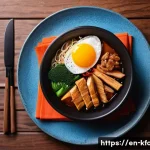
Okay, let’s dive right into the superstars of Korean cuisine, the duo that truly sets the stage for so many unforgettable dishes: gochujang and doenjang. If you’ve ever wondered how Korean stews get that incredible, comforting depth, or how a simple bibimbap sings with flavor, these are your answers. Gochujang, that vibrant red chili paste, isn’t just about heat; it’s a symphony of savory, sweet, and fermented notes that hit you all at once. I remember the first time I really paid attention to its complexity, not just the spice, and it was a total game-changer for my own cooking. It brings a warmth that no other chili paste can replicate, coating your palate with a pleasant kick that lingers just enough to invite another bite. Then there’s doenjang, the fermented soybean paste, which is often overshadowed but equally, if not more, crucial. It’s the earthy, funky, deeply savory backbone of countless soups and stews. Think of it like the Korean miso, but with its own distinct, robust personality. I swear, a good doenjang jjigae (soybean paste stew) on a chilly evening can cure just about anything. What I’ve found is that really good quality versions of these can elevate even the simplest ingredients into something truly extraordinary. Don’t be shy with them; they are the foundation!
Gochujang: Beyond Just Spice
When I first started experimenting with Korean cooking at home, I admit I saw gochujang simply as a hot sauce. Boy, was I wrong! It’s so much more. This thick, sticky paste is fermented for months, sometimes even years, developing an incredible depth that’s both sweet and savory, with a nuanced heat that builds rather than overwhelms. I love using it in marinades for spicy pork or chicken, giving the meat a beautiful glaze and a flavor that just screams “authentic.” It’s also my secret weapon for a quick weeknight bibimbap sauce; just a spoonful mixed with a little sesame oil, sugar, and garlic, and you’ve got magic. Don’t be afraid to experiment with it in unexpected places either – I’ve even added a tiny dollop to mac and cheese for an adventurous twist, and it was surprisingly delicious!
Doenjang: The Soul of Korean Soups
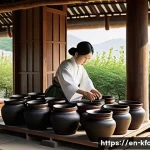
Doenjang holds a special place in my heart because it reminds me of the comforting, hearty meals my friends’ mothers used to make. It’s essentially a Korean fermented soybean paste, similar in concept to Japanese miso but with a much bolder, earthier, and often chunkier texture. Its flavor profile is intensely savory, almost umami-rich, with a distinct fermented aroma that some might find strong at first, but trust me, it mellows beautifully when cooked. It’s non-negotiable for traditional stews like doenjang jjigae, but I also adore whisking a bit into vegetable broths for added depth or even using it in dressings. It’s a wonderful way to add a complex, savory base to vegetarian dishes, giving them a richness they might otherwise lack. Once you get past any initial apprehension, you’ll find it indispensable.
Beyond the Chili: Exploring the Nuances of Soy Sauce and Sesame Oil
While gochujang and doenjang grab a lot of the spotlight, it’s easy to overlook the quiet workhorses that underpin nearly every Korean dish: soy sauce and sesame oil. I mean, seriously, where would we be without them? These aren’t just background players; they are the subtle artists that paint in the details, adding layers of saltiness, nutty richness, and an unmistakable aroma that just *smells* like Korean food. I’ve learned that not all soy sauces are created equal, and choosing the right one can make a noticeable difference. Korean soy sauce, or Ganjang, has several varieties, each with its own purpose. Then there’s sesame oil. Ah, sesame oil! Just a tiny drizzle can transform a dish, providing that signature toasted, nutty aroma that instantly makes your mouth water. It’s funny how such seemingly simple ingredients can hold so much power in defining an entire cuisine. I always tell people that if you’re going to splurge on anything for your Korean pantry, invest in high-quality versions of these two – you won’t regret it.
Ganjang: The Salty Foundation
For years, I just bought “soy sauce” without thinking much about it. But then I started to understand the different types, especially in Korean cooking. Ganjang is the general term for Korean soy sauce, and it’s typically less sweet and often saltier than some other Asian varieties. There’s ‘Guk Ganjang’ (soup soy sauce), which is lighter in color but very salty and used for seasoning soups and namul (vegetable side dishes). Then there’s ‘Jin Ganjang’ (dark soy sauce), which is more akin to all-purpose soy sauce, darker, slightly sweeter, and perfect for marinades, stir-fries, and dipping sauces. I always keep both on hand, because using the right one really does impact the final flavor profile. Using Guk Ganjang in a stir-fry might make it too salty without adding the desired color, whereas Jin Ganjang in a delicate soup might overpower it. It’s a subtle distinction, but one that makes a world of difference once you grasp it.
Chili-Infused Sesame Oil: The Aromatic Finisher
If you ask me, sesame oil is like the perfume of Korean cuisine. A tiny splash at the end of cooking, or mixed into a dressing, awakens all the other flavors with its deeply aromatic, toasted nuttiness. But here’s a pro-tip that I absolutely adore: chili-infused sesame oil! While not a traditional staple in every Korean kitchen, it’s a fantastic way to add both that beloved sesame fragrance and a gentle, lingering heat. I make my own by gently heating sesame oil with a few dried red chilies and a clove of garlic – it’s ridiculously easy. I use it as a drizzle over dumplings, a finishing touch on noodle dishes, or even to add a little zing to a simple fried egg. It adds a whole new dimension, making familiar dishes feel exciting and new. Trust me, once you try it, you’ll find yourself reaching for it constantly.
My Secret Weapon: The Magic of Gochugaru and Garlic
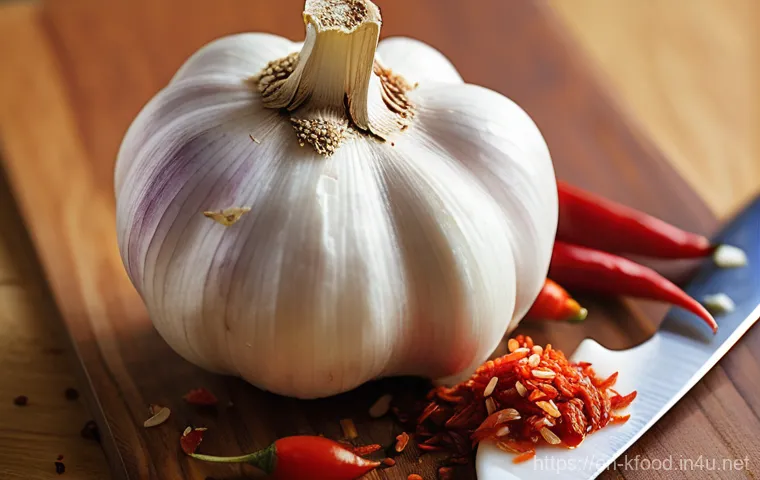
Alright, let’s talk about two more foundational pillars that, in my opinion, are just as vital as the pastes: gochugaru and garlic. Gochugaru, Korean chili flakes, are distinctive. They’re not just spicy; they carry a subtle sweetness and smoky flavor that’s totally unique. I learned early on that relying on generic chili flakes just doesn’t cut it for authentic Korean flavor. Gochugaru comes in different fineness levels and heat intensities, so you can tailor it to your dish. And garlic? Oh, garlic! If there’s one ingredient I absolutely can’t live without in my kitchen, it’s garlic. Korean cuisine embraces garlic wholeheartedly, and for good reason. It provides a pungent, aromatic punch that balances the richness of other ingredients and adds a vibrant freshness. I often find myself doubling the amount of garlic a recipe calls for because, frankly, you can never have too much in Korean food, in my humble opinion! These two ingredients are the unsung heroes that provide much of the characteristic brightness and kick in so many dishes.
Gochugaru: The Versatile Chili Flake
Gochugaru is one of those ingredients that, once you start using it, you realize its incredible versatility. It’s not just for kimchi; it’s practically omnipresent in Korean cooking. Unlike other chili flakes that can be purely fiery, gochugaru has a beautiful complexity – a bright red color, a sweet undertone, and a smoky warmth. I use it to make a quick spicy dipping sauce, to season stir-fries, to add a pop of color and heat to soups, and, of course, it’s essential for making kimchi. The key is understanding that different grinds exist: fine powder for a smooth color in kimchi paste or marinades, and coarser flakes for adding texture and visual appeal to stews or sprinkled over dishes. I always keep a big bag in my freezer to maintain its freshness and vibrant color. Trust me, your kimchi will thank you, and so will your taste buds.
Garlic: The Aromatic Powerhouse
If you’re anything like me, you probably consider garlic a kitchen essential for nearly any cuisine. But in Korean cooking, garlic isn’t just an ingredient; it’s a star. From mincing it finely for marinades and dipping sauces to slicing it thickly for stir-fries and grilling, its robust, pungent flavor is absolutely integral. I vividly remember trying to make a Korean dish once and running out of fresh garlic, so I used garlic powder. Big mistake! The dish lacked that vibrant, fresh punch that only raw or freshly cooked garlic can provide. I always keep a large stash of fresh garlic on hand, often buying multiple heads at once. It’s the kind of ingredient where, when a recipe says one clove, I often interpret that as two or three. It adds such a crucial layer of flavor, whether it’s mellowed by cooking or adding a sharp, spicy bite when raw.
Sweet & Tangy Delights: The Role of Sugars and Vinegars
Korean cuisine isn’t just about spicy and savory; it skillfully balances these bold flavors with sweet and tangy elements, and that’s where sugars and vinegars come into play. While we often think of savory dishes, a touch of sweetness can actually amplify the umami and temper the heat, creating a more harmonious flavor profile. I’ve found that using the right type of sweetener, whether it’s plain sugar, corn syrup, or even fruit purées, can make a significant difference in the final taste and texture of a dish. Similarly, various vinegars add that essential tanginess, cutting through richness and adding a refreshing brightness. They’re not just for pickling; they’re integral to marinades, salad dressings, and even some stews. It’s this delicate dance between the sweet, sour, spicy, and savory that truly makes Korean food so incredibly addictive and satisfying. Balancing these elements is a skill I’m still honing, but it’s incredibly rewarding when you get it just right.
The Sweet Side: Sugar, Honey, and Corn Syrup
You might be surprised by how much sugar, honey, or corn syrup is used in Korean cooking. It’s not about making dishes overtly sweet, but about achieving balance and enhancing other flavors. For instance, in marinades for bulgogi or galbi, a good amount of sugar or corn syrup helps tenderize the meat and create that beautiful caramelization when grilled. I personally prefer corn syrup or rice syrup for many recipes because it provides a lovely glossy finish and a more subtle, less cloying sweetness than granulated sugar. Honey is fantastic for dipping sauces or glazes where you want a richer, more complex sweetness. What I’ve learned is that the sweetness acts as a counterpoint to the saltiness and spiciness, making the overall flavor much more rounded and appealing. Don’t skip it, even if you’re trying to cut down on sugar; just a little bit can elevate the dish significantly.
Vinegar Varieties: For Brightness and Balance
Just like soy sauce, Korean cooking utilizes different types of vinegar, each contributing its own unique acidity and aroma. Rice vinegar is probably the most common, offering a mild and slightly sweet tang that’s perfect for dressings, pickling, and some marinades. I also love using fruit vinegars, like apple or pear vinegar, which can add a lovely subtle sweetness alongside their tartness, particularly in cold noodle dishes or refreshing side salads. The acidity from vinegar is crucial for cutting through the richness of heavier dishes, brightening up flavors, and preventing them from becoming too heavy or one-dimensional. It’s an essential tool for creating that refreshing kick that makes so many Korean dishes so enjoyable, especially in warmer weather. A dash of vinegar can wake up a dish in a way nothing else can.
Stocking Your Authentic Korean Pantry: Essentials You Can’t Live Without
Okay, now that we’ve explored the individual stars, let’s talk practicalities: building a Korean pantry that sets you up for success. Trust me, as someone who loves to cook spontaneously, having these essentials on hand is a game-changer. You don’t need to buy absolutely everything at once, but gradually stocking up on these core ingredients will make whipping up an authentic Korean meal so much easier and more enjoyable. I remember my first trip to a Korean grocery store; it was overwhelming! But over time, I’ve refined my list to the true must-haves. Think of it as your starter pack for unlocking a world of flavor. With these ingredients, you’ll be able to tackle most common Korean recipes and even start improvising your own fusion dishes. Don’t feel pressured to buy the most expensive brands, but do look for reputable Korean brands that specialize in these products. It makes a difference, I promise.
The Core Four: Pastes, Flakes, Soy, and Oil
If you’re just starting out, prioritize these four, in my opinion: good quality gochujang (chili paste), doenjang (soybean paste), gochugaru (chili flakes), and both guk ganjang (soup soy sauce) and jin ganjang (all-purpose soy sauce), along with toasted sesame oil. These form the fundamental flavor base for so many dishes. I store my gochujang and doenjang in the fridge after opening to keep them fresh longer. Gochugaru often goes into the freezer to preserve its vibrant color and potency. With these, you can make almost any stew, many marinades, and a variety of side dishes. It’s like having the foundational colors in your artist’s palette; you can mix and match to create endless culinary masterpieces. Trust me, once you have these, you’ll feel so much more confident diving into Korean recipes.
Beyond the Basics: Flavor Enhancers and Freshness
Once you’ve got the core four down, start adding in some flavor enhancers and fresh ingredients. Fresh garlic, of course, is non-negotiable, and I use it by the handful. Scallions are another incredibly versatile aromatic that add freshness and a mild oniony bite. Sesame seeds, toasted, are a fantastic garnish and add a nutty crunch. Mirin (sweet cooking wine) and rice vinegar are also excellent to have for marinades and dressings. I also always keep a pack of kelp (dashima) and dried anchovies (myeolchi) for making delicious, foundational broths. These aren’t just minor additions; they truly enhance the overall depth and authenticity of your dishes. Having a well-stocked pantry makes cooking so much more enjoyable, allowing you to focus on the process rather than scrambling for ingredients.
From My Kitchen to Yours: Mastering Marinades and Dressings
This is where the magic really happens, folks! Korean food is renowned for its incredible marinades and vibrant dressings, which transform simple ingredients into something truly special. For me, mastering these has been key to bringing that authentic restaurant-quality taste into my own home. It’s not just about mixing a few ingredients; it’s about understanding how each component interacts to tenderize, flavor, and color your proteins and vegetables. I’ve spent countless hours experimenting with different ratios, discovering what makes a bulgogi marinade truly irresistible or a kimchi dressing sing with freshness. It’s an art form, but one that’s incredibly accessible once you grasp the basics. And the best part? Once you understand the principles, you can start creating your own signature sauces, adapting them to your taste preferences. That’s when cooking truly becomes a creative and personal journey.
The Art of the Marinade: Tenderizing and Flavoring
Korean marinades are legendary for their ability to tenderize meat and infuse it with layers of flavor. Think of classic bulgogi, galbi, or spicy pork (jeyuk bokkeum). The base typically includes soy sauce, sesame oil, garlic, ginger, and a sweetener like sugar or fruit purée (often grated apple or pear for tenderness). For spicy marinades, gochujang and gochugaru are added. I’ve found that giving your meat enough time to soak up all those wonderful flavors is absolutely crucial – at least 30 minutes, but overnight is always better for deeper penetration. The enzymes in the fruit also help break down the meat fibers, resulting in that melt-in-your-mouth texture. Don’t be afraid to adjust the sweetness or spiciness to your preference; that’s the beauty of home cooking! A good marinade can turn an ordinary cut of meat into an extraordinary meal.
Dressings and Dipping Sauces: The Finishing Touch
Beyond marinades, Korean cuisine boasts an array of incredible dressings and dipping sauces that elevate everything from grilled meats to fresh salads and dumplings. A simple dipping sauce for jeon (savory pancakes) might be just soy sauce, rice vinegar, a pinch of gochugaru, and sesame seeds. For a more complex dressing, especially for cold noodle salads (bibim guksu) or fresh salads, you might combine gochujang, vinegar, sugar, garlic, and a touch of sesame oil. I love experimenting with different ratios to find my perfect balance of sweet, sour, and spicy. These sauces are often the final element that ties a dish together, providing a bright, fresh contrast or a savory counterpoint. They’re quick to assemble and can make a huge impact on the overall dining experience. Don’t underestimate the power of a perfectly crafted dipping sauce!
Creative Fusion: Unexpected Ways to Use Korean Sauces in Your Everyday Cooking
One of the most exciting things about truly understanding Korean sauces isn’t just making traditional dishes, but realizing how incredibly versatile they are for fusion cooking. Trust me, once you grasp their core flavors, you’ll start seeing opportunities everywhere! I’ve been on a mission lately to incorporate these amazing ingredients into my non-Korean cooking, and the results have been nothing short of spectacular. It’s about thinking outside the box, taking a familiar dish, and giving it an unexpected, delicious Korean twist. This isn’t about disrespecting tradition, but rather celebrating these flavors by introducing them to new contexts. It’s a fantastic way to add a unique flair to your weeknight dinners, impressing guests with your culinary creativity without necessarily spending hours on complex recipes. Think of these sauces as your secret weapon for transforming ordinary meals into something extraordinary and truly memorable.
Gochujang Goes Global: Beyond Tteokbokki
Gochujang is an absolute star, and while it’s fantastic in tteokbokki, its potential extends far beyond Korean borders. I’ve found it incredible as a glaze for roasted vegetables – sweet potatoes and Brussels sprouts get an amazing sweet-spicy caramelization. It’s also phenomenal whisked into a vinaigrette for a spicy salad dressing, especially for a kale or hearty grain salad. I’ve even mixed a spoonful into homemade burger patties or meatloaf for an unexpected savory kick. My favorite fusion experiment recently was a gochujang butter, which I smeared on grilled corn and then sprinkled with crumbled feta cheese. It was an absolute revelation! Its fermented depth and balanced heat make it incredibly adaptable to various culinary traditions, adding a unique umami and zing that often elevates dishes in surprising ways. Don’t be afraid to play around with it!
Doenjang’s Unconventional Charm: Not Just for Jjigae
Doenjang, with its earthy and savory profile, might seem less versatile than gochujang, but I promise you, it has its own unique charm in fusion dishes. Its deep umami flavor can be a fantastic secret ingredient in unexpected places. I’ve used a tiny bit of doenjang to enhance the savory notes in a homemade pasta sauce, adding an almost indefinable depth. It’s also brilliant in marinades for grilled fish or chicken, providing a robust, earthy layer of flavor. What I particularly love is using it in vegetable dips or even spreading a thin layer on toast with avocado – it’s a surprising but utterly delicious combination that makes for a fantastic snack. It can also be incorporated into a compound butter for steaks, bringing a wonderfully savory and slightly funky note that pairs beautifully with red meat. Its complex flavor profile is a treasure trove for experimental cooks!
The Art of Balance: How to Harmonize Flavors in Korean Cooking
After years of experimenting and countless (sometimes failed!) attempts in my own kitchen, I’ve come to understand that the true magic of Korean cuisine lies in its impeccable balance of flavors. It’s not just about packing in spice or salt; it’s about creating a harmonious interplay where sweet, sour, savory, and spicy elements all dance together, each enhancing the other without overpowering. This delicate equilibrium is what makes Korean food so incredibly satisfying and why you always crave another bite. It’s a skill that takes practice, but once you start tasting for balance, your home-cooked Korean dishes will transform from good to absolutely phenomenal. I truly believe that understanding this concept is more important than rigidly following a recipe because it allows you to adjust to your own taste and the quality of your ingredients. It’s about becoming a chef in your own right, not just a recipe follower.
Tasting and Adjusting: Your Most Powerful Tool
Honestly, the single most important tip I can give anyone cooking Korean food (or any food, for that matter) is to taste, taste, and taste again! Your palate is your best guide. Don’t just add ingredients blindly; take a small spoonful, savor it, and ask yourself: Does it need more salt? More sweetness to cut the heat? A touch of vinegar for brightness? This iterative process of tasting and adjusting is crucial for achieving that perfect balance. I always keep small tasting spoons handy and am constantly fine-tuning as I cook. It’s how you really learn what each ingredient contributes and how they work together. Sometimes, a dish feels like it’s missing something, and a tiny dash of sesame oil or a pinch of sugar is all it takes to bring it to life. This hands-on approach builds your intuition and confidence in the kitchen tremendously.
Understanding Flavor Ratios: Sweet, Salty, Spicy, Tangy
While specific recipes provide ratios, understanding the general interplay of sweet, salty, spicy, and tangy elements is key to mastering Korean flavors. For example, a good marinade often needs sweetness to balance the saltiness of soy sauce and the heat of gochujang. A refreshing salad dressing will typically have a pronounced tang from vinegar, offset by some sweetness and savory notes. I often think of it like a seesaw: if one flavor gets too heavy, you need to add another to lighten it up or counter it. Too spicy? Add a little more sugar or a touch of sesame oil. Too bland? A dash more soy sauce or doenjang can work wonders. This conceptual understanding allows you to adapt recipes, troubleshoot dishes that aren’t quite right, and eventually, create your own flavor masterpieces. It’s truly empowering!
Bringing the Restaurant Home: Elevating Everyday Meals with Korean Sauces
You know that incredible feeling when you eat at your favorite Korean restaurant and every dish just tastes so incredibly vibrant and authentic? Well, I’m here to tell you that with a little practice and the right pantry staples, you absolutely can recreate (and even surpass!) those flavors right in your own kitchen. It’s not about having fancy equipment or being a professional chef; it’s genuinely about understanding the core ingredients and how to wield them. I’ve had so many moments of pure joy when a dish I made at home tastes exactly like, or even better than, what I’d get dining out. It’s incredibly rewarding, and honestly, so much more economical! The beauty of these Korean sauces and seasonings is that they are so potent and flavorful, they do most of the heavy lifting for you. Once you’ve got them, you’re basically armed with culinary superpowers. Let’s make your home cooking legendary!
Essential Sauces and Their Best Pairings
| Korean Sauce/Seasoning | Primary Flavor Profile | Best Used With | My Personal Tip |
|---|---|---|---|
| Gochujang (Chili Paste) | Spicy, sweet, savory, fermented | Marinades for meat, bibimbap sauce, tteokbokki, stews | Mix with a little honey and rice vinegar for a killer chicken wing glaze! |
| Doenjang (Soybean Paste) | Earthy, savory, umami-rich, fermented | Doenjang jjigae (stew), vegetable dips (ssamjang base), marinades for fish | A tiny bit in mashed potatoes adds an unexpected, deep savoriness. |
| Gochugaru (Chili Flakes) | Spicy, smoky, slightly sweet, vibrant color | Kimchi, spicy soups (sundubu jjigae), seasoning for namul | Sprinkle over avocado toast for a spicy, vibrant kick instead of plain chili flakes. |
| Jin Ganjang (All-Purpose Soy Sauce) | Salty, savory, balanced | Marinades, stir-fries, dipping sauces, braising liquids | Always use a good quality brand; it truly impacts the overall flavor of your dish. |
| Toasted Sesame Oil | Nutty, aromatic, rich | Finishing oil for almost any dish, dressings, marinades | Add it *at the end* of cooking to preserve its intense aroma and flavor. |
Quick Hacks for Authentic Flavor on Weeknights
Let’s be real, we don’t always have hours to spend in the kitchen. But that doesn’t mean sacrificing authentic Korean flavor! I’ve developed a few quick hacks that help me get that taste without the time commitment. For a speedy dinner, I’ll often whip up a simple gochujang-based sauce (gochujang, soy sauce, a little sugar, garlic, sesame oil) and toss it with pre-cooked chicken or shrimp and steamed vegetables. Another favorite is making a quick doenjang dressing for a simple salad. And honestly, just having perfectly cooked white rice and a few well-seasoned banchan (side dishes) made with these core sauces can make any meal feel special. Don’t underestimate the power of a really good dipping sauce either; it can instantly elevate a simple grilled protein or pan-fried dumpling. With a well-stocked pantry and a little creativity, those amazing restaurant flavors are totally within reach, even on your busiest nights.
Wrapping Things Up
And there you have it, folks! We’ve journeyed through the vibrant, complex, and utterly delicious world of essential Korean ingredients. I truly hope this deep dive has demystified some of the magic behind your favorite Korean dishes and, more importantly, inspired you to get into your kitchen and start experimenting. Remember, cooking is all about joy, discovery, and a little bit of playful experimentation. Don’t be afraid to taste as you go, adjust to your preferences, and really make these flavors your own. The beauty of these core ingredients is their versatility, so let your culinary creativity run wild!
Pro Tips for Your Korean Kitchen
1. Quality Matters: While it’s tempting to grab the cheapest option, investing in good quality gochujang, doenjang, and sesame oil truly makes a noticeable difference in the depth and authenticity of your dishes. Think of it as investing in the heart of your cooking.
2. Store Smart: Keep your gochujang and doenjang in the refrigerator after opening to maintain their freshness and flavor longer. Gochugaru (chili flakes) can lose potency and color, so storing it in the freezer is a game-changer!
3. Don’t Skimp on Garlic: Seriously, when a Korean recipe calls for garlic, consider it a friendly suggestion to add *even more*. Fresh garlic is paramount for that bright, pungent kick that defines so many dishes.
4. Balance is Key: Korean cooking thrives on the harmonious interplay of sweet, salty, spicy, and tangy. Learn to taste and adjust – if it’s too spicy, a touch more sweetness can mellow it out; too bland, a dash of soy sauce or doenjang can work wonders.
5. Experiment Fearlessly: Once you understand the core flavors, start incorporating them into your everyday cooking! A dab of gochujang in your burger, or a spoonful of doenjang in a vegetable dip can transform familiar dishes into exciting new culinary experiences.
Key Takeaways
So, what’s the big takeaway from our flavor adventure today? It’s that the soul of Korean cuisine isn’t found in overly complicated techniques, but in a handful of incredibly potent, versatile, and deeply flavorful ingredients. Gochujang and doenjang lay the savory and spicy foundation, while gochugaru and fresh garlic provide that signature punch and vibrancy. Don’t forget the unsung heroes like ganjang and sesame oil, which weave through nearly every dish, adding layers of saltiness and aromatic richness. The true artistry lies in balancing these elements, using tasting and adjusting as your guiding compass. My hope is that you now feel equipped and excited to bring the authentic, comforting, and utterly delicious flavors of Korea right into your own home kitchen. It’s an incredibly rewarding journey, and I promise, your taste buds will thank you!
Frequently Asked Questions (FAQ) 📖
Q: What are the absolute must-have Korean sauces for a beginner looking to add authentic flavor to their cooking?
A: When I first started exploring Korean cooking, I totally felt overwhelmed by all the amazing options! But trust me, you absolutely don’t need to stock your entire pantry overnight.
For starters, I’d say your top three go-tos should be gochujang (Korean chili paste), doenjang (fermented soybean paste), and ganjang (Korean soy sauce).
Gochujang is that vibrant, sweet, and savory heat you find in dishes like tteokbokki or bibimbap – it’s incredibly versatile for marinades, stews, and dipping sauces.
Then there’s doenjang, which is deeply savory and earthy, bringing that umami punch to soups like doenjang jjigae. It’s like the Korean answer to miso, but with its own distinct charm.
And ganjang? It’s your everyday workhorse, similar to regular soy sauce but often a bit lighter and more nuanced, perfect for balancing flavors in almost everything.
Seriously, with these three, you’ll be amazed at how many delicious Korean dishes you can whip up right in your own kitchen! Start there, experiment, and your pantry will naturally grow.
Q: I love the idea of using Korean sauces, but can I incorporate them into non-Korean dishes or fusion cooking?
A: Oh, absolutely! This is where the real fun begins, and it’s one of my favorite ways to play in the kitchen. I’ve found that thinking beyond traditional Korean recipes opens up a world of creative possibilities.
Take gochujang, for example. I’ve personally swapped it into my everyday pasta sauces for a little spicy kick, or even whisked a spoonful into a vinaigrette for a salad that absolutely pops!
It’s fantastic in glazes for roasted chicken or even as a secret ingredient in your homemade BBQ sauce. Doenjang might seem a bit more specific, but I’ve used it to add a rich, savory depth to chili or even a simple vegetable stir-fry where I want that earthy umami without a heavy sauce.
And ganjang? That’s a no-brainer! It can replace regular soy sauce in pretty much any Asian-inspired dish, giving it a subtle Korean twist.
Don’t be afraid to experiment! The best dishes often come from unexpected combinations. Just start with a small amount, taste, and adjust – you’ll be surprised by the incredible flavors you can create!
Q: Gochujang sounds delicious, but I’m a bit sensitive to spicy food. How can I enjoy its flavor without setting my mouth on fire?
A: I totally get this! When I first tried gochujang, I might have gone a little overboard and learned my lesson quickly! But don’t let the heat deter you, because gochujang’s flavor profile is so much more than just spice.
The key is balance and starting small. Many brands offer different spice levels, so you can look for milder versions. More importantly, always combine it with other ingredients that temper the heat.
Think about mixing it with something sweet, like honey or a touch of sugar, or something creamy, like mayonnaise or yogurt, to create a delicious dipping sauce.
I love making a gochujang aioli for fries or a creamy gochujang dressing for wraps – it brings all that amazing savory-sweet-umami goodness without being overwhelmingly spicy.
When cooking, always add it gradually and taste as you go. You can also pair it with plenty of fresh vegetables or rice to help cool things down. Trust me, you don’t need to be a chili head to appreciate the magic of gochujang; it’s all about finding your perfect balance!