Hey there, fellow food adventurers! If your social media feeds are bursting with mouth-watering Korean dishes, making those cravings impossible to ignore, then you’re definitely not alone.

K-food isn’t just a fleeting trend; it’s a global culinary sensation, and for many of us, the delightful mission of recreating those vibrant flavors right in our own kitchens has truly begun.
I totally get it – finding that one perfect Korean cookbook, whether you’re a complete novice or aiming for advanced techniques, can feel like searching for a needle in a delicious haystack, a journey I’ve personally undertaken.
After countless hours of simmering, tasting, and tweaking, I’m absolutely thrilled to share my top picks that have genuinely transformed my own home cooking experience, opening up a world of authentic flavors.
Ready to bypass the guesswork and unlock the secrets to truly delicious Korean cuisine? Let’s dive right in and discover your next go-to culinary companion!
Unlocking the Secrets of ‘Sohn-mat’: The Art of Korean Home Cooking
Embracing the “Taste of the Hand”
When I first started diving into Korean cooking, I often heard this beautiful phrase, “sohn-mat,” which roughly translates to “taste of the hand.” It’s more than just a literal taste; it’s about that innate touch, that intuitive seasoning and care that makes home-cooked food truly special.
It’s the secret ingredient that my own Korean friends talk about when describing their mothers’ cooking, a warmth and depth that can’t quite be measured with spoons or cups alone.
This concept really resonated with me because I’ve always believed that the best food comes from the heart, infused with personal touch and genuine affection.
For a long time, I felt like I was chasing this elusive “sohn-mat” in my own kitchen, striving to make my Korean dishes taste as comforting and authentic as those I’d experienced in bustling Koreatowns or during trips abroad.
It’s not something you can easily teach, but I’ve found that some cookbooks come incredibly close to bottling that essence and guiding you towards developing your own “taste of the hand” through practice and thoughtful cooking.
Starting Your Culinary Adventure with Confidence
Beginning your journey into Korean cuisine can feel a bit daunting, especially when you’re faced with unfamiliar ingredients or techniques. I remember staring at endless aisles of gochujang and doenjang in the Korean market, wondering where to even begin.
That’s why having the right guide is so crucial. For me, the best cookbooks are those that don’t just give you a list of ingredients and steps, but truly hold your hand, explaining the ‘why’ behind each action and offering cultural context.
It’s like having a patient, encouraging friend right there in the kitchen with you. These guides make the initial steps incredibly easy, breaking down complex dishes into manageable parts.
They build your confidence, turning what might seem like an intimidating challenge into an exciting, delicious exploration. I’ve personally found that the books that excel at this are often the ones created by authors who genuinely want to share their love for Korean food with a global audience, making it accessible without compromising on authenticity.
Beyond the Basics: Diving into Diverse Korean Flavors
Discovering a World Beyond Kimchi and BBQ
It’s easy to think of Korean food as just kimchi and Korean BBQ, and don’t get me wrong, those are absolute staples and utterly delicious! But if you stop there, you’re truly missing out on a vast, vibrant universe of flavors.
Once I started moving past those well-known dishes, I was astonished by the sheer variety and depth of Korean cuisine. From refreshing cold noodle dishes to hearty stews, delicate vegetable sides (banchan), and incredible seafood creations, there’s so much to explore.
I’ve spent countless evenings pouring over recipes, amazed by the ingenuity and balance of flavors in dishes I’d never even heard of. It’s like finding hidden treasures in every chapter, each one a new adventure for your palate.
Some books do an exceptional job of showcasing this incredible breadth, inviting you to experiment with lesser-known ingredients and techniques that will truly broaden your culinary horizons.
They push you just enough outside your comfort zone to discover something truly magical.
Exploring Regional Delicacies and Seasonal Joys
What I’ve come to appreciate deeply about Korean cooking is its strong connection to regionality and the changing seasons. Just like in any diverse culinary tradition, different parts of Korea boast their own unique specialties, often dictated by local produce and historical influences.
For instance, the seafood-rich dishes from coastal areas are a world away from the hearty, often meat-heavy fare of inland regions. And the way ingredients are celebrated and transformed with each season is just beautiful.
Spring brings fresh, vibrant greens, summer calls for cooling, light dishes, autumn is perfect for root vegetables and mushrooms, and winter, of course, means warming stews and the annual kimchi-making extravaganza.
I remember trying to recreate a Jeju Island black pork dish after a trip there and realizing how much the local ingredients truly shaped its unique flavor.
The right cookbook can transport you to these different regions, offering a glimpse into their culinary customs and helping you bring those authentic, seasonal flavors into your home kitchen, making your cooking journey even richer and more dynamic.
Your Kitchen, Their Wisdom: Learning from K-Food Maestros
Maangchi: The Queen of Approachable Korean Cooking
Honestly, when I first ventured into making Korean food at home, the name Maangchi was everywhere, and for good reason! She’s like the beloved Korean culinary grandmother everyone wishes they had.
Her YouTube videos are legendary, filled with infectious enthusiasm and incredibly clear, step-by-step instructions. But her cookbooks, especially “Maangchi’s Real Korean Cooking,” are truly where her magic shines in print.
I’ve personally stained so many pages of her book with gochujang and sesame oil, a testament to how often I turn to it. She doesn’t just give you recipes; she shares a piece of her culture, her humor, and her heart.
Her recipes are a fantastic starting point for beginners, covering everything from classic bulgogi and kimchi to more intricate dishes, all explained with an accessibility that makes you feel like you can conquer anything.
It’s a comprehensive guide that perfectly translates her online charm into a tactile, practical kitchen companion.
Chef-Driven Insights for the Home Cook
While Maangchi might be our beloved online mentor, there’s also a fantastic array of cookbooks from acclaimed chefs that bring a different layer of sophistication and insight to home cooking.
These aren’t just for advanced cooks; many of these culinary maestros have managed to distill their restaurant expertise into genuinely approachable recipes for us mere mortals.
I’m thinking of chefs like Judy Joo, whose “Korean Food Made Simple” truly lives up to its name, or Hooni Kim’s “My Korea,” which offers a beautiful balance of traditional flavors with modern sensibilities.
What I particularly love about these chef-penned books is their often detailed explanations of techniques and ingredients, helping you understand the ‘why’ behind certain steps.
It’s like getting a mini culinary school lesson right in your own kitchen, directly from someone who has mastered the craft. They introduce you to elevated versions of your favorite dishes and inspire you to push your skills a little further, adding that extra touch of finesse to your creations.
Personal Journeys, Universal Flavors
Some of the most cherished Korean cookbooks on my shelf aren’t just collections of recipes; they’re deeply personal narratives, weaving family stories and cultural reflections into the culinary instructions.
Books like Eric Kim’s “Korean American: Food That Tastes Like Home” or Joanne Lee Molinaro’s “The Korean Vegan Cookbook” are prime examples. Reading them feels less like following a recipe and more like stepping into the author’s life, understanding the flavors that shaped their identity.
Eric Kim’s book, for example, paints such a vivid picture of his relationship with his mother through food, making me nostalgic for meals I didn’t even experience.
And Joanne Lee Molinaro shows how traditional Korean flavors can be adapted beautifully to a plant-based lifestyle, sharing her incredibly moving personal journey along the way.
These books truly enrich your cooking experience, giving you a deeper appreciation for the dishes you’re preparing and making the whole process feel more connected and meaningful.
It’s a powerful reminder that food is so much more than just sustenance; it’s history, memory, and love.
Mastering the Essentials: Navigating Your Korean Pantry
Essential Sauces: The Holy Trinity of Jang
If there’s one area of Korean cooking that I’d say is absolutely non-negotiable for anyone serious about authentic flavors, it’s understanding the “jangs.” These fermented pastes and sauces – gochujang (chili paste), doenjang (soybean paste), and ganjang (soy sauce) – are truly the backbone, the very soul of Korean cuisine.
Trying to cook Korean food without them is like trying to bake a cake without flour and sugar; it just won’t be right! I remember when I first started, I thought any soy sauce would do, but oh, was I wrong!
The depth of flavor, the rich umami, and the distinct characteristics of each jang are what give Korean dishes their unique profile. Learning to differentiate between brands, understanding their fermentation process, and knowing how to use them to build layers of flavor has been a game-changer for me.
Some cookbooks, like “Jang: The Soul of Korean Cooking” by Mingoo Kang, dive deep into this fascinating world, transforming what might seem like simple condiments into a complex art form.
It’s an area where investing a little time in learning will yield immense flavor rewards.
Stocking Up: Beyond the Basics
Beyond the essential jangs, building a well-stocked Korean pantry involves a few other key players that will make your cooking life so much easier and more delicious.
Think about things like toasted sesame oil, which adds that incredible nutty aroma to almost everything, or gochugaru (Korean chili flakes), which provides a different kind of heat and vibrant color.
Then there are the staples like rice cakes (tteok), various noodles (sweet potato, wheat, buckwheat), and different kinds of seaweed (gim, miyeok). I’ve also learned the hard way that having good quality roasted sesame seeds, rice vinegar, and a steady supply of fresh garlic and ginger are absolute musts.
Knowing what to buy and where to store it can feel overwhelming at first, but many of the best cookbooks offer fantastic, detailed pantry guides. They’ll tell you exactly what you need for a fully functional Korean kitchen, often including tips on what brands to look for in your local Asian market.
Trust me, having these ingredients on hand will save you countless trips and inspire spontaneous cooking sessions!
From Street Food to Michelin Stars: Exploring Culinary Journeys
Bringing Seoul’s Street Eats to Your Table
Who can resist the allure of Korean street food? Whenever I visit Seoul, I make a point of wandering through the markets, indulging in sizzling tteokbokki, crispy hotteok, and savory gyeranppang.
There’s an undeniable energy and deliciousness to it all. And the amazing thing is, you can totally recreate that vibrant street food experience right in your own kitchen!
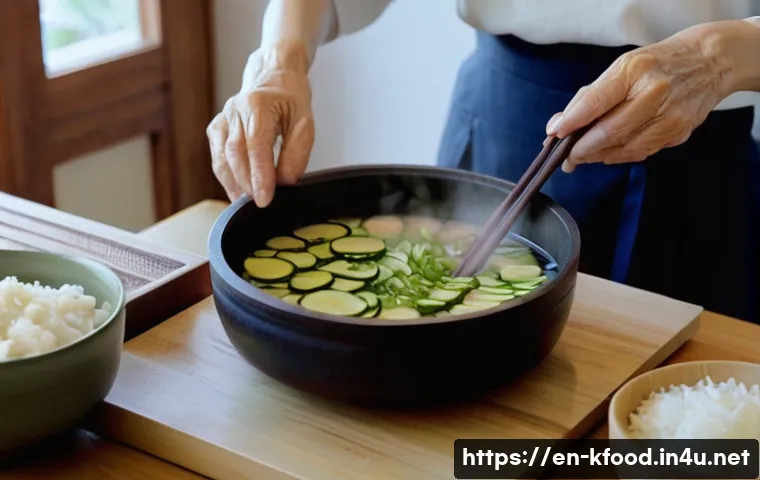
I’ve found some fantastic cookbooks that specialize in these casual, yet incredibly flavorful, treats. Su Scott’s “Pocha: Simple Korean Food from the Streets of Seoul” is one that immediately comes to mind.
It’s filled with recipes for beloved snacks like Korean fried chicken, fish cake skewers, and savory pancakes that transport you straight to the bustling streets of Myeongdong or Hongdae.
There’s something so comforting and fun about making these dishes at home, especially when you’re craving that authentic street food vibe on a quiet evening.
It’s a wonderful way to experience a different, more casual side of Korean cuisine that’s just as rewarding as any sit-down meal.
Elevating Korean Cuisine with Fine Dining Techniques
On the flip side of the casual street food scene, there’s a whole world of elevated Korean cuisine being crafted by Michelin-starred chefs who are pushing the boundaries while honoring tradition.
It’s truly inspiring to see how they’re reinterpreting classic flavors and ingredients with modern techniques. Chefs like Hooni Kim, the first Korean chef to earn a Michelin star for a Korean restaurant, offer a glimpse into this sophisticated world through their cookbooks.
His book, “My Korea,” doesn’t just present recipes; it provides a deep dive into the philosophy behind his cooking, often focusing on the foundational elements of Korean culinary arts.
While some recipes might be more ambitious, they are incredibly rewarding. I’ve personally experimented with a few of these, and while they require a bit more precision and effort, the results are always breathtakingly delicious.
It’s a fantastic way to challenge yourself in the kitchen and experience the refined elegance that Korean cuisine is capable of.
The Heart of K-Food: Fermentation and Flavor Foundations
The Magic of Kimchi and Other Fermented Delights
You simply can’t talk about Korean food without talking about fermentation, and of course, that brings us to the undisputed queen: kimchi! Kimchi isn’t just a side dish; it’s a way of life, a cultural cornerstone, and a source of incredible flavor and health benefits.
I remember my first attempt at making traditional napa cabbage kimchi – it was quite an undertaking, a glorious mess of chili flakes and cabbage, but oh so satisfying.
The process itself is almost meditative, a true connection to ancient culinary traditions. And what I’ve learned is that kimchi is just the tip of the iceberg!
Korean cuisine boasts an incredible array of fermented foods, from various types of kimchi made with different vegetables like radish and cucumber, to fermented sauces and pickles (jangajji).
“The Kimchi Cookbook” by Lauryn Chun is a fantastic resource if you want to really dive deep into this fascinating world. Exploring these fermented delights has not only expanded my culinary skills but also given me a profound appreciation for the science and art of Korean food preservation.
Unpacking the Umami: The Role of Doenjang, Gochujang, and Ganjang
Beyond kimchi, the depth of flavor in Korean cooking is heavily reliant on the “jangs” – doenjang, gochujang, and ganjang. These aren’t just condiments; they are complex flavor agents, each with its own distinct character, built through meticulous fermentation.
Doenjang, the savory soybean paste, brings a rustic, earthy umami that’s irreplaceable in stews and soups. Gochujang, the fiery red chili paste, offers a sweet heat that’s perfect for marinades and spicy stir-fries.
And ganjang, the Korean soy sauce, provides a foundational saltiness and depth. What’s truly fascinating is how these three interact and complement each other, creating a symphony of flavors that is uniquely Korean.
I’ve tried to cut corners and use substitutes in a pinch, but I always come back to the authentic jangs because nothing else quite captures that distinct umami and complexity.
Understanding their nuances and how to layer them correctly in a dish is a skill that any aspiring Korean home cook will cherish. It truly elevates your cooking from good to absolutely phenomenal.
Cooking Korean Your Way: Adapting and Personalizing Recipes
Making it Your Own: Modern Twists and Dietary Needs
One of the most exciting things about cooking, regardless of the cuisine, is the freedom to make it your own. And Korean food is no exception! While respecting traditional techniques and flavors is key, there’s also a wonderful space for adapting recipes to fit modern tastes, dietary restrictions, or simply what you have on hand.
I’ve personally experimented with vegetarian versions of traditionally meat-heavy dishes, or tweaked spice levels to suit my family’s preferences. Cookbooks like “The Korean Vegan Cookbook” by Joanne Lee Molinaro beautifully illustrate how you can embrace plant-based ingredients while retaining the essence and deliciousness of Korean food.
It’s about understanding the core flavors and textures and then finding creative ways to achieve them with different ingredients. This approach makes Korean cooking incredibly versatile and inclusive, allowing more people to enjoy these fantastic dishes, regardless of their specific needs.
It’s a journey of discovery, finding your own voice within the rich tradition of K-food.
The Joy of Experimentation: Building Your Korean Repertoire
Ultimately, the most fulfilling part of learning to cook Korean food, for me, has been the sheer joy of experimentation and the process of building my own repertoire.
It’s not just about replicating recipes; it’s about understanding the principles, recognizing flavor combinations, and then feeling confident enough to create your own variations.
I’ve found myself getting more adventurous, trying new ingredient pairings, or improvising when I’m missing something, often leading to delightful surprises.
The more you cook, the more intuitive it becomes, and that’s where the real fun begins. It’s about making those recipes truly your own, developing your personal “sohn-mat.” The cookbooks I’ve come to love the most are the ones that inspire this kind of culinary confidence, pushing you beyond simply following instructions to truly understanding and loving the process.
They don’t just teach you how to cook a dish; they teach you how to cook Korean food, equipping you with skills you’ll use for a lifetime of delicious meals.
For a quick overview of some top Korean cookbooks that can kickstart or elevate your culinary journey, check out this handy table:
| Cookbook Title | Author(s) | Key Focus / Why I Love It | Best For |
|---|---|---|---|
| Maangchi’s Real Korean Cooking | Maangchi (Emily Kim) | Comprehensive, authentic home cooking with clear instructions and a personal touch. | Beginners, traditional recipes, step-by-step guidance. |
| Korean American: Food That Tastes Like Home | Eric Kim | Deeply personal stories blended with inventive, comforting Korean American dishes. | Storytellers, modern twists, cultural insights. |
| Korean Home Cooking | Sohui Kim & Rachel Wharton | Accessible recipes focusing on the concept of “sohn-mat,” everyday family meals. | Home cooks, understanding flavor balance, simple elegance. |
| My Korea: Traditional Flavors, Modern Recipes | Hooni Kim | Chef’s insights into foundational Korean flavors and elevated home cooking. | Intermediate cooks, culinary technique enthusiasts, Michelin-star inspiration. |
| The Korean Vegan Cookbook | Joanne Lee Molinaro | Inspiring vegan adaptations of classic Korean dishes with heartfelt narratives. | Vegans, plant-based eaters, personal storytelling. |
| Cook Korean!: A Comic Book with Recipes | Robin Ha | Fun, illustrated guide to Korean cooking, cultural facts and simple recipes. | Visual learners, absolute beginners, kids and teens. |
글을 마치며
It’s been such a joy sharing this culinary adventure through the world of Korean cookbooks with you all! Discovering and embracing “sohn-mat” in my own kitchen has truly transformed my approach to cooking, making every dish a labor of love infused with personal warmth.
Whether you’re just starting out or looking to deepen your understanding of Korean flavors, I truly hope these insights inspire you to grab a cookbook, roll up your sleeves, and dive into the incredibly rewarding experience of K-food.
Remember, the best ingredient you can bring to any dish is your own passion and curiosity.
알아두면 쓸모 있는 정보
1. Start Simple, Build Confidence: Don’t feel pressured to tackle an elaborate kimchi recipe on day one. Begin with simpler dishes like gyeran-jjim (steamed eggs) or easy banchan (side dishes) to build your foundational skills and confidence. Mastery comes with practice, and every delicious step counts!
2. Invest in Key Pantry Staples: Having essential Korean ingredients like gochujang, doenjang, ganjang, gochugaru, and sesame oil readily available will make impromptu cooking sessions a breeze. Think of them as your secret weapons for authentic flavor. Check out your local Asian market for the best selection.
3. Don’t Be Afraid to Adjust: Recipes are wonderful guides, but your palate is the ultimate judge. Feel free to tweak spice levels, adjust sweetness, or add more garlic to suit your personal taste. That’s how you truly make a dish your own and develop your unique “sohn-mat.”
4. Embrace the Fermentation Journey: Kimchi might seem daunting, but even small batches of simple fermented vegetables can introduce you to the incredible depth of flavor and health benefits that Korean cuisine offers. It’s a fascinating world to explore, one small jar at a time.
5. Connect with the Culture: Beyond just the recipes, try to understand the cultural context behind Korean dishes. Learning about regional variations, seasonal ingredients, and the philosophy of communal dining can make your cooking experience even richer and more meaningful.
중요 사항 정리
Embarking on a journey through Korean cuisine is an incredibly enriching experience that goes far beyond just cooking. It’s about connecting with a vibrant culture, understanding the art of fermentation, and developing that unique “sohn-mat” – the taste of your own hand and heart in every meal.
We’ve seen how various cookbooks, from Maangchi’s approachable guides to chef-driven insights and personal narratives, can serve as invaluable companions, guiding you from basic pantry essentials to diverse regional specialties and even elevated fine dining techniques.
The key is to embrace the learning process, experiment with different flavors and ingredients, and never shy away from making a recipe truly your own.
Whether you’re drawn to the bustling energy of street food or the sophisticated elegance of modern Korean fare, remember that every dish is an opportunity for discovery and a chance to share the warmth of Korean home cooking with those you love.
Ultimately, building your Korean repertoire is a continuous, delicious adventure that promises countless flavorful moments.
Frequently Asked Questions (FAQ) 📖
Q: I’m just starting my Korean cooking journey, and honestly, the sheer number of cookbooks out there is a little overwhelming! Which one would you recommend for a total beginner like me to get started without feeling completely lost?
A: Oh, I totally get that feeling! When I first dipped my toes into K-food at home, I was scouring every bookstore and online review trying to find that perfect guide.
From my own experience, for a complete beginner, you absolutely cannot go wrong with a cookbook that focuses on clear, foundational recipes and common ingredients you can actually find.
My top recommendation, without a doubt, would be one that’s packed with really well-explained steps, often with photos for each stage – those are a game-changer when you’re not familiar with a technique.
Look for books that break down essential Korean pantry staples too; knowing what gochujang and doenjang are and how to use them is half the battle! A good beginner book will often have tips for sourcing ingredients in regular supermarkets or online, which saved me so many headaches in the beginning.
Trust me, starting with a book that builds your confidence with classics like bibimbap, kimchi jjigae, or simple banchan will make your entire culinary adventure so much more enjoyable and less intimidating.
It’s all about those small wins that make you feel like a true Korean chef!
Q: Finding authentic Korean ingredients sometimes feels like a treasure hunt! Do I really need to go to a special
A: sian grocery store every time, or can I find enough at my regular supermarket to make a decent Korean meal? A2: That’s such a common question, and one I wrestled with quite a bit in my early days!
While a dedicated Asian grocery store is absolutely amazing for the widest selection and the most authentic brands – and I do recommend visiting one if you can – you’d be surprised how much you can actually find at a well-stocked regular supermarket these days.
Items like soy sauce, sesame oil, garlic, ginger, green onions, and even some types of noodles are usually readily available. The game-changers, however, are gochujang (Korean chili paste) and gochugaru (Korean chili flakes).
These used to be specialty items, but I’ve noticed them popping up in the international aisles of bigger chains. For things like specific fermented bean paste (doenjang), rice cakes (tteok), or a wider variety of kimchi, you’ll likely still need to hit up an Asian market or order online.
What I’ve found incredibly helpful is to start with recipes that rely on the more accessible ingredients, and then as you get more confident, gradually introduce the specialty items.
Don’t let the ingredient hunt discourage you; focus on what you can find and make delicious meals with that!
Q: I’ve successfully cooked a few Korean dishes from your recommendations, and now I’m hooked! What’s the next step?
A: re there cookbooks that delve into more advanced techniques, or even cater to specific dietary needs like vegetarian Korean food? A3: That’s fantastic to hear – welcome to the club of K-food enthusiasts!
Once you’ve got the basics down, the culinary world of Korea truly opens up. For those looking to dive deeper into techniques, I’d suggest seeking out cookbooks that focus on regional specialties, fermentation (think making your own kimchi variations!), or even temple food, which offers a unique and incredibly refined perspective on Korean vegetarian cuisine.
I personally found that exploring books by chefs who truly break down the science behind the flavors, or those that focus on specific components like sauces and marinades, really elevated my cooking.
And yes, absolutely, there are wonderful cookbooks now dedicated entirely to vegetarian and vegan Korean cooking! With the global shift towards plant-based diets, many talented authors and chefs are sharing incredible meat-free adaptations of classic dishes, or even entirely new creations that are bursting with flavor.
I was skeptical at first, but after trying some, I was genuinely blown away by how satisfying and authentic they tasted. It’s a whole new world of deliciousness waiting for you!