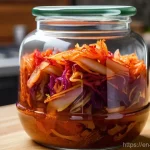
Hey there, fellow food adventurers! You know, there are some ingredients so fundamental to a cuisine that they can truly make or break a dish, and for Korean food, that star player is undoubtedly soy sauce, or *ganjang*.
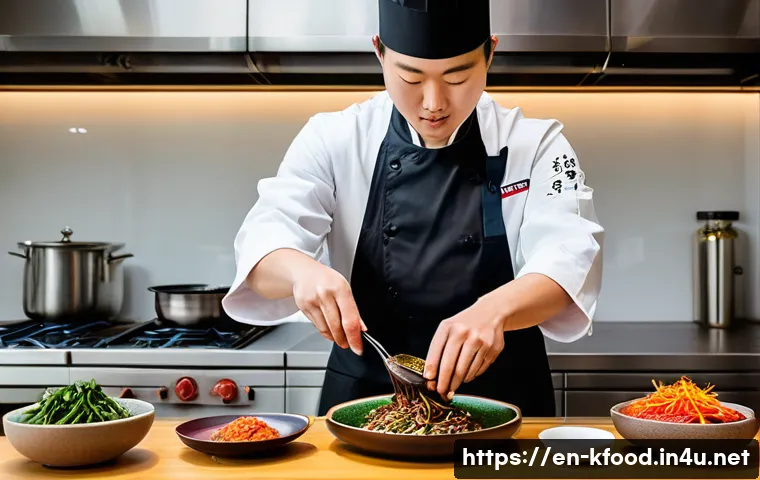
It’s not just a salty addition; it’s the very soul of so many beloved recipes, from that irresistible bulgogi marinade to the delicate balance in a bowl of guk.
For years, I found myself just grabbing the most familiar bottle off the shelf, but trust me, that was a huge mistake! I’ve been on a personal quest lately, diving deep into the world of Korean soy sauces, and let me tell you, the differences between brands are absolutely astounding.
It’s like comparing apples and oranges, or rather, a bland condiment to a rich, umami explosion that elevates everything it touches. If you’re anything like me, passionate about recreating authentic Korean flavors right in your own kitchen, then you know how crucial it is to get this foundational ingredient just right.
Forget what you thought you knew about soy sauce; we’re about to uncover some game-changing insights. Let’s truly understand how to pick the perfect Korean soy sauce for your culinary masterpieces.
Decoding the Labels: Essential Types of Korean Soy Sauce
You know, for the longest time, I thought soy sauce was just… soy sauce. Boy, was I wrong! Diving into Korean cooking truly opened my eyes to a whole new universe, especially when it came to *ganjang*.
It’s not a one-size-fits-all situation at all. The labels on those bottles, which once looked like a mysterious jumble of characters, actually hold the key to unlocking the true flavors of Korean cuisine.
Understanding the different types is absolutely foundational, and trust me, it makes a world of difference in your dishes. My first foray into making a proper *doenjang jjigae* taught me this the hard way – I used a general soy sauce, and while it was okay, it lacked that authentic, deep, savory punch.
It wasn’t until I switched to *guk-ganjang* that I truly understood the magic. This journey of discovery has been incredibly rewarding, transforming my cooking from merely “good” to “wow, this tastes just like my favorite Korean restaurant!” So, let’s break down these essential categories so you can navigate the aisles like a seasoned pro.
The Deep Dive into Jin-Ganjang
This is probably the most common type you’ll encounter, and it’s often labeled as “Dark Soy Sauce” or “All-Purpose Soy Sauce” in English. *Jin-ganjang* is a workhorse in the Korean kitchen, perfect for almost everything from marinades for *bulgogi* and *galbi* to stir-fries and even dipping sauces.
It offers a wonderful balance of saltiness and a rich, deep umami flavor. My personal experience with *jin-ganjang* has shown me that it’s indispensable.
I use it almost daily! I’ve tried several brands, and while many are good, some really stand out for their nuanced flavor profiles. It typically has a slightly darker color and a more robust flavor compared to some other Asian soy sauces.
When I first started cooking Korean food, I defaulted to this one, and it certainly got me far, but it was only the beginning of my soy sauce enlightenment.
Guk-Ganjang: The Soup & Stew Secret
Now, *guk-ganjang*, also known as “Soup Soy Sauce” or “Korean Traditional Soy Sauce,” is where things get really interesting. This one is lighter in color but packs a serious salty punch and a unique fermented aroma.
It’s primarily used for seasoning soups and stews like *miyeokguk* (seaweed soup) or *kongnamul guk* (bean sprout soup) because it adds flavor without darkening the broth too much.
I remember making a traditional *kimchi jjigae* for the first time, and it just wasn’t quite right. A seasoned Korean chef friend told me to use *guk-ganjang* sparingly for seasoning, and *bam!* The difference was night and day.
It gives that authentic, clean, yet deeply savory flavor that truly defines Korean broths. Because it’s so potent, a little goes a long way, so be mindful not to over-salt your dishes!
The Fermentation Factor: Why Time and Tradition Matter
When we talk about the soul of Korean *ganjang*, we absolutely cannot ignore the fermentation process. This isn’t just some industrial chemical reaction; it’s an art, a science, and a tradition passed down through generations.
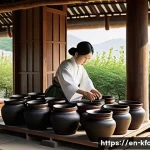
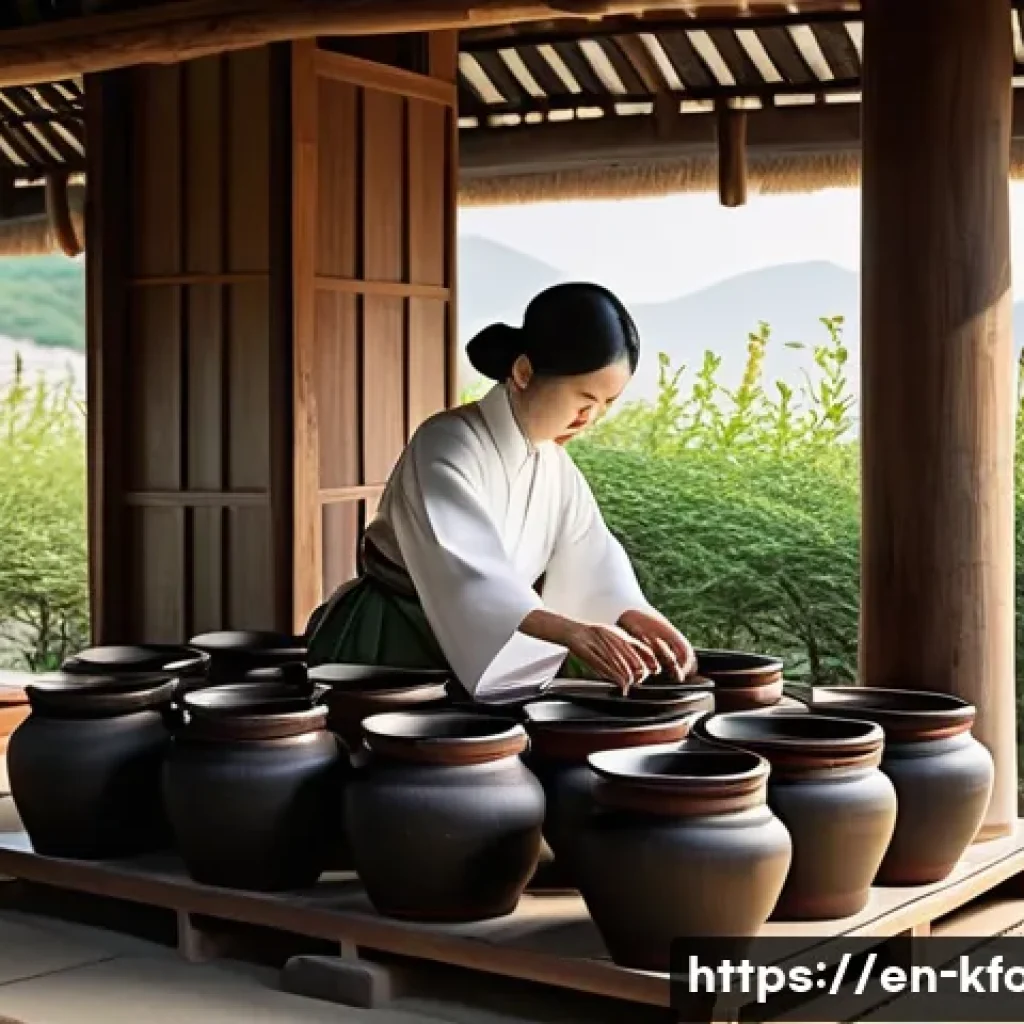
The magic truly happens during the long, patient waiting period where soybeans are transformed by time and microorganisms. I’ve heard stories from older Korean women about their grandmothers making *meju* (fermented soybean blocks) from scratch, hanging them to dry, and then carefully fermenting them in earthenware jars (*onggi*).
It’s a painstaking process, but the depth of flavor and complexity it imparts is simply unparalleled. This traditional method, which relies on natural fermentation over months, sometimes even years, is what gives *ganjang* its characteristic umami richness and aromatic qualities.
Unpacking Yangjo-Ganjang and Honhap-Ganjang
Beyond the traditional home-style *guk-ganjang*, you’ll mostly find two commercial types: *Yangjo-ganjang* (naturally brewed soy sauce) and *Honhap-ganjang* (blended soy sauce).
*Yangjo-ganjang* is what I gravitate towards for most of my cooking now. It’s naturally brewed from soybeans and wheat, often aged for at least six months, and has a rich, complex flavor that I find essential for many dishes.
It’s more expensive, yes, but the quality truly shines through. It’s got that perfect balance of sweetness and saltiness from the brewing process. On the other hand, *Honhap-ganjang* is a blend of naturally brewed soy sauce with hydrolyzed soy protein and often includes additives.
It’s generally cheaper and has a more straightforward, saltier taste. While it’s fine for quick marinades or when budget is a concern, I’ve personally found it lacks the nuanced depth that *yangjo-ganjang* brings.
It’s like comparing a fine wine to a table wine – both serve a purpose, but one offers a far richer experience.
The Allure of Aged Ganjang
Just like a good cheese or a fine whiskey, some Korean soy sauces are aged for extended periods, sometimes even decades. These are the true treasures of the *ganjang* world, and if you ever get your hands on some, consider yourself lucky!
Aged *ganjang* develops an incredibly deep, almost syrupy consistency, with intensely concentrated flavors and a beautiful dark hue. It’s often used as a finishing condiment, a drizzle over rice, or for very specific, high-end dishes where its unique character can truly shine.
I was once gifted a small bottle of 10-year-aged *ganjang*, and it felt like liquid gold. The aroma alone was intoxicating – earthy, sweet, and incredibly savory.
Using it was an experience in itself; just a few drops transformed simple blanched vegetables into something extraordinary. This type really embodies the patience and tradition that makes Korean food so special.
Taste Test Chronicles: My Personal Brand Discoveries
You know how sometimes you try a new ingredient and it just clicks? That’s exactly what happened when I started exploring different brands of Korean soy sauce.
It truly is a game-changer. I’ve gone through countless bottles, from the widely available ones at my local Asian grocery store to specialty imports, all in the name of culinary research (and pure deliciousness, of course!).
What I’ve learned is that each brand has its own personality, subtly influencing the final taste of your dish. My kitchen cabinet now looks like a small *ganjang* museum, each bottle holding a story.
For example, some brands of *jin-ganjang* have a distinctly sweeter note, making them perfect for *bulgogi*, while others lean towards a deeper, more robust saltiness that’s fantastic for braised dishes.
It’s not just about the salt; it’s about the entire flavor spectrum that unfolds on your palate.
My Go-To Brands and Why I Love Them
Through my extensive taste tests, I’ve definitely developed some favorites. For a versatile *yangjo-ganjang*, I often reach for brands like Sempio or Daesang’s Chungjungone.
Their premium *yangjo-ganjang* versions consistently deliver a balanced, rich umami that performs beautifully in almost any Korean dish I attempt. I find their flavors to be clean, without any harsh aftertaste, and they blend seamlessly into marinades and sauces.
For *guk-ganjang*, I’m always on the lookout for smaller, more artisanal brands that emphasize traditional fermentation. These often have a more rustic, slightly funkier aroma that signals authenticity and deep flavor, perfect for my soups.
It’s fascinating how much variety there is, and how a seemingly small choice can significantly impact the character of your entire meal. Experimenting with different brands is part of the fun of cooking, and for me, it’s been an incredibly rewarding journey.
The Nuances of Flavor: What to Look For
When I’m evaluating a new bottle, I pay attention to a few key things. First, the aroma: does it smell rich and inviting, or flat and overly salty? Then, the color: is it a clear, appealing hue, or murky?
And of course, the taste. I’ll often do a little taste test on its own, just a tiny drop, to get a sense of its initial saltiness, its sweetness, and its overall umami depth.
Does it have a lingering, pleasant aftertaste, or does it vanish quickly? I’ve found that the best *ganjang* offers a complex interplay of flavors that evolve on your tongue.
It shouldn’t just be salty; there should be a subtle sweetness, a hint of savoriness, and a clean finish. This discernment comes with practice, but once you start paying attention, you’ll be amazed at the subtle differences between brands and types.
Pairing Perfection: Matching Ganjang to Your Dish
Okay, so you’ve got your kitchen stocked with a few different kinds of Korean soy sauce – now what? This is where the real fun begins: understanding how to perfectly match your *ganjang* to the dish you’re creating.
It’s like a chef choosing the right herb or spice; the right soy sauce doesn’t just add salt, it enhances, complements, and completes the flavor profile.
I used to just dump whatever soy sauce I had into a recipe, hoping for the best. And while it worked, the results were often… uninspired. It was only when I started intentionally pairing them that my Korean cooking truly transformed.
My *japchae* tasted brighter, my *galbi* marinade had more depth, and my soups gained that elusive authentic touch. This intentionality isn’t just about following rules; it’s about understanding the nuances and letting the *ganjang* truly shine in its intended role.
Your Guide to Ganjang Pairings
Let’s talk specifics. For those rich, robust dishes like *bulgogi* or *galbi* marinades, where you want a deep, caramelized flavor, a good quality *yangjo-ganjang* is your best friend.
Its balanced sweetness and umami are perfect for building those complex savory notes. For dipping sauces, especially for *pajeon* or *mandu*, a lighter *yangjo-ganjang* mixed with vinegar, chili flakes, and sesame oil works wonders.
Now, if you’re making traditional Korean soups and stews, especially those clear broths or ones with delicate ingredients, *guk-ganjang* is non-negotiable.
Remember, use it sparingly for seasoning, as its potency is quite high. It provides that unique, clean umami without altering the color of your beautiful broth.
And for side dishes like *namul* (seasoned vegetables), a touch of *guk-ganjang* can bring out the natural flavors of the vegetables without overpowering them.
When Blended is Best (or Not)
Sometimes, a *honhap-ganjang* might be suitable, especially if you’re making something where the soy sauce isn’t the star and you just need a salty kick, or if you’re on a tight budget.
For example, if I’m making a large batch of something where the soy sauce is one of many strong flavors, like a very spicy *tteokbokki*, I might use a *honhap-ganjang* because its straightforward saltiness won’t get lost, and it helps keep costs down.
However, I’d still caution against using it for dishes where the soy sauce truly defines the flavor, like in a delicate *jjim* (braised dish) or a refined dipping sauce.
My personal rule of thumb is: if the soy sauce is more than 20% of the total liquid in a sauce or marinade, invest in a good *yangjo-ganjang*. If it’s just a small seasoning agent among many, a *honhap-ganjang* might pass.
| Ganjang Type | Key Characteristics | Best Used For | My Experience Notes |
|---|---|---|---|
| Jin-Ganjang (Yangjo/Honhap) | Darker color, balanced saltiness & umami, sometimes sweeter (Yangjo) or saltier (Honhap). | Marinades (Bulgogi, Galbi), stir-fries, general cooking, dipping sauces. | My everyday workhorse. Yangjo versions offer much more depth. Honhap is okay for budget, but flavors are less complex. |
| Guk-Ganjang | Lighter in color, intensely salty, distinct fermented aroma, clean finish. | Soups (Miyeokguk, Kongnamul Guk), stews, light seasoning for Namul. | Essential for authentic Korean soup flavors. A little goes a long way. Don’t use for marinades unless specified. |
| Aged Ganjang | Very dark, thick, intensely concentrated umami, complex sweet & savory notes. | Finishing condiment, special occasion dishes, drizzle over rice or vegetables. | A luxury item. Use sparingly to appreciate its unique depth. Not for everyday cooking. |
Beyond the Bottle: Storing and Savoring Your Ganjang
You’ve invested in some fantastic Korean soy sauces, now let’s make sure they stay fantastic! Proper storage is key to maintaining their flavor and extending their shelf life.
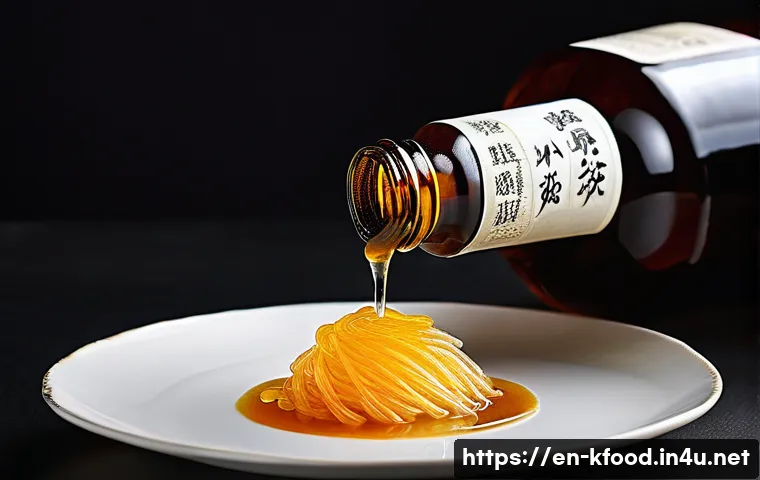
I used to just leave all my soy sauce bottles in the pantry, thinking they were impervious to everything. But after noticing some subtle changes in flavor over time, I started doing some research and realized my casual approach was actually doing my beloved *ganjang* a disservice.
Just like a good olive oil or a fine spice, soy sauce deserves a bit of care to ensure it retains its peak quality. It’s all about preserving those delicate fermented notes and preventing any unwanted degradation that can dull its vibrant taste.
After all, you put in the effort to pick the perfect bottle, so let’s make sure every drop delivers.
Keeping Your Ganjang Fresh and Flavorful
For most commercially bottled *jin-ganjang* and *yangjo-ganjang*, an opened bottle is best stored in the refrigerator. This slows down oxidation and prevents any unwanted microbial growth that could alter the flavor.
While they might not spoil quickly at room temperature, refrigeration definitely helps maintain that fresh, nuanced taste you paid for. I’ve noticed a significant difference in how long the vibrant flavors last when kept in the fridge versus in the pantry.
For *guk-ganjang*, given its often traditional nature and potency, refrigeration is also a good idea. Some traditional, unpasteurized *ganjang* might even develop a harmless white film on the surface if left out too long, which indicates fermentation is still active, but refrigeration helps keep it stable.
My personal rule is, once opened, it goes into the fridge. It’s a small habit that makes a big difference in savoring every last drop.
Maximizing Every Drop: Creative Uses
Don’t just limit your amazing Korean soy sauces to Korean dishes! I’ve discovered that a good *yangjo-ganjang* can be a secret weapon in all sorts of international cooking.
I’ve used it to deepen the flavor of homemade salad dressings, adding a layer of umami that elevates a simple vinaigrette. A splash in a beef stew or a mushroom sauce can add an unexpected richness and complexity.
I’ve even experimented with a dash in scrambled eggs, and it gives them a wonderfully savory kick that regular salt just can’t replicate. The slightly sweet, deeply savory profile of a high-quality *jin-ganjang* can truly unlock new dimensions in your everyday cooking, far beyond what you might expect.
Don’t be afraid to experiment! That’s how I found out a tiny bit of *guk-ganjang* can make a simple chicken broth taste incredibly profound.
Unlocking Umami: How Ganjang Elevates Everyday Cooking
You know that indescribable savory deliciousness that just makes your mouth water? That’s umami, and Korean *ganjang* is practically a liquid goldmine of it.
It’s not just about adding salt; it’s about adding a profound depth of flavor that can transform even the simplest ingredients into something extraordinary.
For a long time, I associated soy sauce almost exclusively with Asian cuisine. But after experiencing the diverse profiles of Korean *ganjang*, I’ve started incorporating it into my non-Korean cooking with incredibly satisfying results.
It’s like discovering a new color in your paint palette – suddenly, you see possibilities everywhere. This isn’t about making everything taste “Korean”; it’s about leveraging the incredible umami power of *ganjang* to enhance and round out flavors in a way that plain salt just can’t accomplish.
Beyond Asian Flavors: A Universal Enhancer
Think about it: what makes a great steak sauce? Or a really flavorful gravy? Often, it’s that deep, savory base.
A good *yangjo-ganjang* can contribute exactly that. I’ve personally used it to add richness to mushroom gravies, a secret ingredient in my homemade barbecue sauce, and even a tiny dash in slow-cooked tomato sauces to amplify their natural sweetness and savory notes.
The fermented complexity of *ganjang* provides a flavor bridge that complements many ingredients, creating a more cohesive and deeply satisfying dish.
It’s not about making your pasta taste like *japchae*, but about giving it that extra “oomph” that makes people wonder what your secret ingredient is.
Trust me, once you start thinking of *ganjang* as a universal umami booster rather than just a Korean condiment, your culinary world will expand in exciting new ways.
Crafting Flavorful Marinades and Dressings
This is where *ganjang* truly shines as a universal player. Beyond traditional Korean marinades, I’ve used a balanced *jin-ganjang* as the foundation for marinades for grilled chicken, pork chops, and even tougher cuts of beef.
Mixed with garlic, ginger, a touch of honey or maple syrup, and some fresh herbs, it creates a marinade that tenderizes and infuses meat with incredible flavor.
For salad dressings, a tiny splash can bring a wonderful savory depth without making the dressing taste overtly Asian. Imagine a simple lemon-olive oil dressing with a hint of *ganjang* – it’s transformative, adding a layer of complexity that keeps you coming back for more.
It’s about leveraging that inherent umami to make your everyday meals more exciting and more deeply flavored. This versatility is why I always have a couple of different *ganjang* bottles in my fridge, ready for any culinary adventure.
Navigating the Aisles: Smart Shopping for Korean Soy Sauce
Walking into an Asian grocery store can be both exhilarating and a little overwhelming, especially when you’re looking for something specific like Korean soy sauce.
The sheer variety can be daunting, and if you’re not sure what you’re looking for, it’s easy to grab the wrong thing. I remember my first few trips; I’d just pick the bottle with the prettiest label or the one that looked most familiar, only to get home and realize it wasn’t quite what I needed for my recipe.
But don’t worry, with a few key tips, you’ll be navigating those aisles like a pro, confidently selecting the perfect *ganjang* for your culinary creations.
It’s about knowing what information to seek out on the label, and understanding what those sometimes-cryptic terms actually mean for your cooking.
What to Look for on the Label
The most important thing to look for is the type of soy sauce: *Yangjo-ganjang* (양조간장) for naturally brewed, *Guk-ganjang* (국간장) for soup soy sauce, or *Honhap-ganjang* (혼합간장) for blended.
If you see *양조* (Yangjo) prominently displayed, you’re likely getting a naturally fermented product, which is usually my top recommendation for overall quality and depth of flavor.
Also, check the total nitrogen content (T.N. or TN), which is often listed as a percentage. A higher T.N.
value (usually 1.3% or more) indicates a richer, more flavorful soy sauce. Some premium *yangjo-ganjang* will boast TN values of 1.5% or higher, signifying a truly superior product.
Don’t forget to glance at the ingredient list; for *yangjo-ganjang*, you want to see soybeans, wheat, and salt as the primary ingredients. Avoiding unnecessary additives for a purer flavor is always my goal.
Where to Buy and Price Points
You’ll typically find Korean soy sauce in well-stocked Asian grocery stores, especially those specializing in Korean products. Larger supermarkets with international aisles might carry a few popular brands of *jin-ganjang*, but for *guk-ganjang* or more artisanal *yangjo-ganjang*, the specialty store is your best bet.
Online retailers are also an excellent option, often providing a wider selection and customer reviews that can be incredibly helpful. Price-wise, *honhap-ganjang* will be the most economical, while good quality *yangjo-ganjang* will be a bit more expensive but worth the investment for its superior flavor.
Aged *ganjang* is a premium product and can be quite pricey, usually found in smaller bottles. Consider your budget and your cooking needs. For everyday cooking, a mid-range *yangjo-ganjang* is usually the sweet spot for both quality and value.
It’s all about making informed choices to elevate your kitchen game!
글을 마치며
Whew, what a journey through the wonderful world of Korean soy sauce! It’s truly amazing how a single ingredient can hold so much depth, history, and flavor. For me, understanding these different types of *ganjang* wasn’t just about becoming a better cook; it was about truly appreciating the nuances of Korean cuisine and feeling a deeper connection to its rich culinary traditions. I hope my little dive into *jin-ganjang*, *guk-ganjang*, and all the other fantastic variations has inspired you to be a bit more adventurous in your own kitchen. Don’t be shy about grabbing a new bottle and experimenting – you might just discover your next favorite flavor enhancer!
알아두면 쓸모 있는 정보
Here are a few extra nuggets of wisdom I’ve picked up along my soy sauce adventures, just for you:
1. Prioritize Naturally Brewed: When you’re at the store, always look for “Yangjo-ganjang” (양조간장). This means it’s naturally brewed and generally offers a far superior, more complex flavor profile than blended (Honhap) varieties. It’s worth the slight extra cost, trust me!
2. Check the TN Value: Some premium *ganjang* labels will show a Total Nitrogen (T.N.) percentage. A higher T.N. value (1.3% or more) indicates a richer, more umami-packed soy sauce. It’s a great little secret to spotting top-quality bottles.
3. Refrigerate After Opening: While soy sauce won’t spoil quickly at room temperature, refrigeration will significantly help maintain its delicate flavors and prevent any unwanted changes. I always pop mine in the fridge once opened – it makes a noticeable difference.
4. Go Beyond Korean Cuisine: Don’t limit your fantastic *ganjang* to just Korean dishes! A good quality *yangjo-ganjang* can be an incredible umami booster in marinades for grilled meats, salad dressings, gravies, and even hearty stews. Experiment and unleash its universal power!
5. Explore Specialty Markets: For the best selection of *guk-ganjang* and artisanal *yangjo-ganjang*, make a trip to a dedicated Korean or Asian grocery store. The variety is usually much better than standard supermarkets, allowing you to discover some real gems.
중요 사항 정리
So, after all our chatting about *ganjang*, the biggest takeaway I want you to have is this: Korean soy sauce is incredibly diverse, and understanding its different types is your secret weapon for authentic and delicious Korean cooking. We learned that *Jin-ganjang* is your all-purpose hero, perfect for marinades, stir-fries, and general seasoning, with *Yangjo-ganjang* being the naturally brewed, richer option I personally prefer. Then there’s *Guk-ganjang*, the lighter-colored but intensely salty secret behind truly authentic Korean soups and stews, which really keeps the broth clear while adding that unmistakable traditional flavor. We also touched on the magic of fermentation, the difference between commercial types, and even the luxurious depth of aged *ganjang*. My own experiences have shown me that a little knowledge and a willingness to experiment with these liquid treasures can genuinely transform your culinary creations. Don’t be afraid to read those labels, taste test, and find your own favorites. You’re now equipped to confidently navigate the world of Korean soy sauce and infuse your cooking with incredible depth and flavor. Happy cooking, everyone!
Frequently Asked Questions (FAQ) 📖
Q: Okay, so you’re saying I shouldn’t just grab any soy sauce. What’s the real difference between Korean soy sauces and, say, the regular soy sauce I’d use for sushi or a Chinese stir-fry?
A: Oh, my friend, that’s exactly what I’m saying! It’s a common trap, and honestly, I fell for it too for years. You see, while they all share that wonderful umami base, Korean soy sauces, or ganjang, have their own unique personality compared to their Japanese or Chinese cousins.
The biggest difference? It often comes down to the fermentation process and the ingredients. Traditional Korean soy sauces like Guk Ganjang (soup soy sauce) are often made with just soybeans, salt, and water, sometimes aged for a really long time, like 6 to 12 months in earthenware pots called onggi.
This gives them a super deep, intensely savory, and saltier flavor without much sweetness. They’re typically lighter in color, too, so they don’t darken your delicate soups or vegetable side dishes.
Japanese soy sauces, like shoyu, often include wheat in their fermentation, which gives them a slightly sweeter, more balanced flavor and a darker color, making them fantastic for dipping or general cooking.
Chinese soy sauces, especially dark ones, can be even thicker, sweeter (sometimes with added molasses), and mainly used for coloring and braising. So, that “regular” soy sauce you’re used to?
It might overpower a subtle Korean broth or miss the mark in a marinade that needs that specific Korean depth. It’s like using a robust Cabernet for a delicate white wine sauce – it just doesn’t quite fit the bill!
Q: This sounds a bit overwhelming! With so many options, how do I actually choose the right Korean soy sauce for a specific dish, like bulgogi or a simple soup?
A: I totally get it, navigating the soy sauce aisle can feel like a culinary maze! But trust me, once you know the key players, it becomes second nature.
For most home cooks diving into Korean cuisine, there are three main types you’ll encounter: Guk Ganjang (soup soy sauce), Yangjo Ganjang (naturally brewed soy sauce), and Jin Ganjang (often a blended or mixed soy sauce).
For Soups and Clear Broths (like my favorite miyeokguk seaweed soup or a light kongnamul guk soybean sprout soup): You absolutely want Guk Ganjang (also known as Joseon Ganjang or Korean traditional soy sauce).
This is the salty, lighter-colored hero that seasons your broths without turning them dark. It has a distinctive, almost earthy aroma and a deep umami that just screams “authentic Korean comfort.” I’ve tried using other soy sauces in soup, and while they work in a pinch, they usually make the soup too dark and sometimes even taste a little off.
Guk Ganjang is perfect for preserving the vibrant colors of your ingredients while still delivering that crucial salty, savory kick. For Marinades (think bulgogi, galbi, or even some stir-fries) and Dipping Sauces: Here, Yangjo Ganjang is your best friend.
This is a naturally brewed soy sauce, often with wheat, which gives it a slightly sweeter, more complex flavor profile. It holds up beautifully to heat, making it ideal for those rich, sweet-and-savory marinades that caramelize on the grill or in a pan.
Many top Korean chefs and home cooks swear by Yangjo Ganjang for its balanced flavor. If you see “100% Naturally Brewed” on the label, you’re on the right track!
For All-Purpose Cooking or if you can only buy one: Jin Ganjang is often marketed as “all-purpose.” It’s typically a blend of Yangjo Ganjang and chemically hydrolyzed soy sauce, making it more affordable and widely available.
While it’s not quite as nuanced as a pure Yangjo Ganjang, it’s versatile enough for most stir-fries, braises, and general cooking where the soy sauce isn’t the absolute star of the show.
If you’re just starting out, picking up a good Jin Ganjang that specifies a decent percentage of naturally brewed soy sauce (look for a higher T.N. or Total Nitrogen value if it’s listed, indicating more protein and better quality) can be a great entry point before you specialize.
So, for your bulgogi, I’d personally reach for a good Yangjo Ganjang. It gives that marinade the perfect depth and subtle sweetness. For a clear soup, it’s Guk Ganjang all the way!
Q: Beyond just picking the ‘right’ one, are there any insider tips or tricks to really get the most out of my Korean soy sauce in the kitchen?
A: Absolutely! Once you’ve got your hands on the right bottles, a few “influencer-level” tips can truly elevate your cooking. First, always remember the “smell test” and “taste test” when you first open a new bottle.
A high-quality soy sauce should have a rich, inviting aroma – not a harsh, overly chemical smell. When you taste it, it should have a deep umami, a balanced saltiness, and a lingering flavor.
If it just tastes salty, you might have a lower-quality product. Here’s a trick I learned from a seasoned Korean chef: for certain dishes, especially when making a dipping sauce or dressing for namul (seasoned vegetable side dishes), try mixing a bit of Yangjo Ganjang with a touch of Guk Ganjang.
The Yangjo brings the sweetness and complexity, while the Guk adds that traditional, robust saltiness without darkening the dish too much. It’s a flavor hack that creates a beautifully rounded profile!
Another thing I’ve noticed: for dishes that require a long simmering time, like jangjorim (braised beef in soy sauce), a Jin Ganjang can actually be quite practical because it holds its flavor well under heat and is more economical for larger quantities.
But for a quick marinade or a finishing touch, a good Yangjo Ganjang really shines. And don’t be afraid to think beyond just Korean food! A good quality Yangjo Ganjang can add an incredible depth to even your scrambled eggs or a simple salad dressing.
I’ve even experimented with it in a homemade BBQ sauce, and the results were phenomenal. It just brings this layer of savoriness you can’t get from plain salt.
Finally, proper storage is key! Always keep your soy sauce in a cool, dark place, and once opened, I tend to refrigerate my Yangjo and Guk Ganjang to preserve their delicate flavors, especially the higher-quality ones.
You wouldn’t leave a fine wine out, would you? Treat your good soy sauce with the same respect, and it will reward you with unparalleled flavor in every dish.
Happy cooking, everyone!