Ever noticed how some Korean dishes just taste *different* depending on the time of year? It’s not your imagination – it’s the incredible influence of seasonality that truly defines authentic Korean cuisine.
Having explored countless markets and kitchens across Korea, I’ve seen firsthand how each season brings its own unique bounty, profoundly shaping the flavors and textures of our favorite meals.
From vibrant spring greens to robust winter root vegetables, understanding this natural cycle is key to unlocking the true depth of Korean cooking. This journey through seasonal ingredients isn’t just about freshness; it’s a centuries-old tradition that makes every dish a timely delight.
Ready to discover how these seasonal shifts elevate your culinary experience? Let’s find out exactly how seasonality makes Korean food so special.
The Unmistakable Zing of Spring’s Awakening
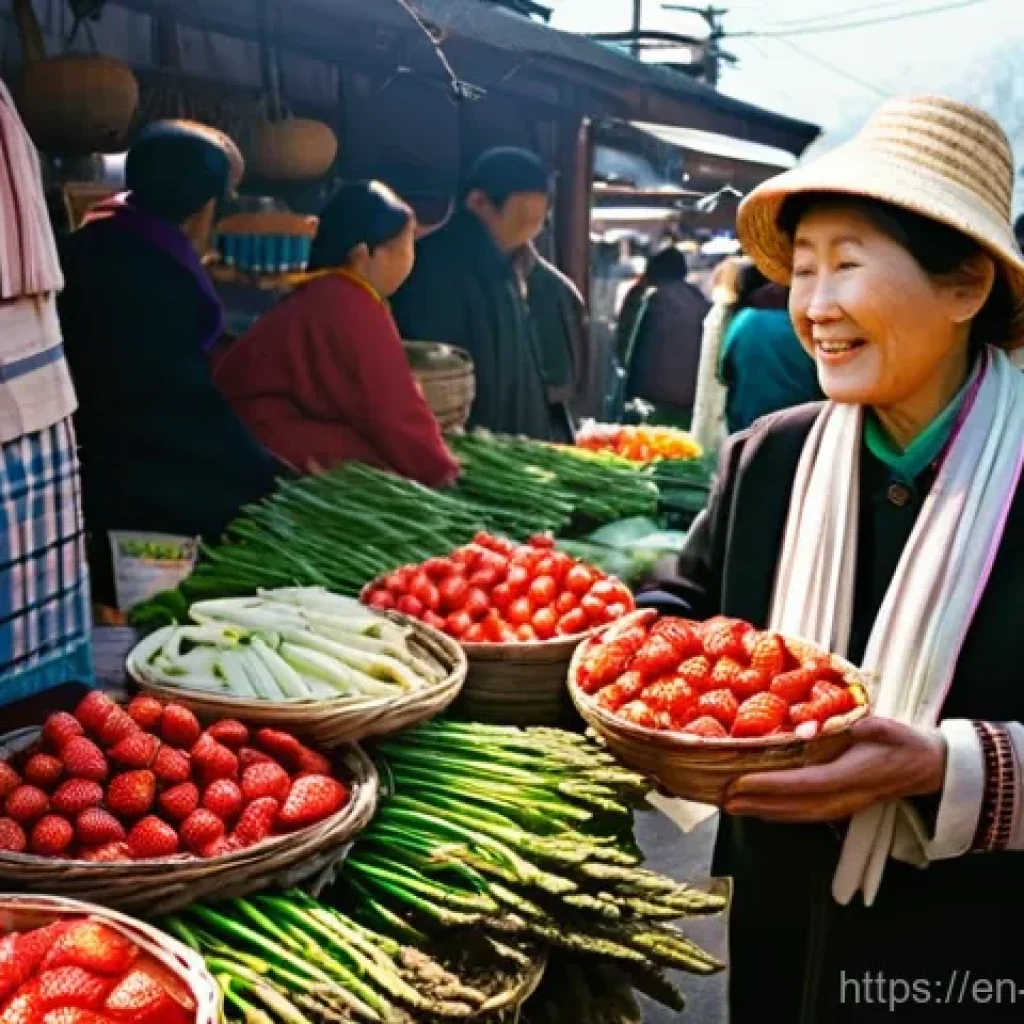
There’s a palpable shift in the air when spring finally arrives in Korea, and it’s not just the warmer weather; it’s the explosion of new life in the markets. I’ve always found it fascinating how deeply the change of seasons impacts everything, especially our plates. After a long, often harsh winter, those first delicate greens, known as namul, feel like a revelation. When I first tried a truly authentic spring namul dish, like Bomdong Geotjeori (fresh spring cabbage salad), it was like my taste buds were finally waking up after a long slumber. The subtle bitterness, the crisp texture, the way it perfectly balances a rich Korean BBQ meal – it’s an experience you just can’t get at any other time of year. Eating these vibrant greens isn’t just about nutrition; it’s a celebration of nature’s resilience and a reminder that good things come to those who wait for the season to deliver them. You can literally taste the freshness, a stark contrast to ingredients that have traveled thousands of miles. It’s an immersion into a unique cultural experience that is profoundly tied to the land and its cycles. This really highlights the fact that seasonality is not just a concept, but a living, breathing tradition that Koreans cherish.
Delicate Greens and Their Culinary Magic
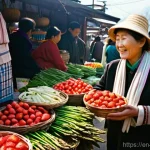
When spring graces the Korean peninsula, the culinary scene undergoes a remarkable transformation, largely thanks to the emergence of an array of delicate wild greens. These aren’t just any vegetables; they are specific varietals that truly shine in the cool, crisp air of early spring. Think about the slender stems of minari (water parsley) or the tender leaves of naengi (shepherd’s purse). I vividly remember my first trip to a traditional Korean market in early April, seeing mounds of these fresh greens, still glistening with dew. The vendors, often elderly women, would passionately explain how each type of namul should be prepared, often suggesting a simple blanching followed by a light seasoning of sesame oil, garlic, and soy sauce. It’s this minimalist approach that truly allows the intrinsic flavors of the greens to come through – a subtle bitterness here, a refreshing earthiness there. The simplicity is deceptive; it requires a deep understanding of the ingredients to make them truly sing. These aren’t merely side dishes; they are flavor powerhouses that elevate any meal, providing not just taste but also a sense of vitality and renewal. It’s a culinary philosophy that champions natural taste over complex preparations, something I deeply admire and try to emulate in my own kitchen.
Fermentation’s Role in Spring’s Bounty
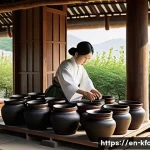
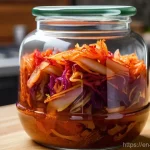
While fresh spring greens are undeniably the stars, it’s fascinating to see how fermentation also plays a pivotal role in preserving and enhancing spring’s unique flavors. Kimchi, of course, is a year-round staple, but even kimchi has seasonal variations. In spring, lighter, fresher kimchis are often made, sometimes incorporating those very same spring greens. However, beyond immediate consumption, some of these seasonal vegetables are also used in various fermented side dishes or even preserved for later use in other forms. It’s a testament to Korean ingenuity – not letting any precious seasonal ingredient go to waste. I’ve heard stories from grandmothers who would spend days preparing batches of fermented vegetables, knowing that these would provide essential nutrients and flavors during leaner times. This tradition isn’t just about food preservation; it’s about wisdom passed down through generations, ensuring a steady supply of delicious and healthful ingredients, regardless of the season outside. The complexity of flavors that develops through fermentation transforms a simple vegetable into something truly extraordinary, adding depth and umami to dishes in ways that fresh ingredients alone cannot. It’s a dance between freshness and tradition, all orchestrated by the rhythm of nature.
Sizzling Summers and Refreshing Feasts
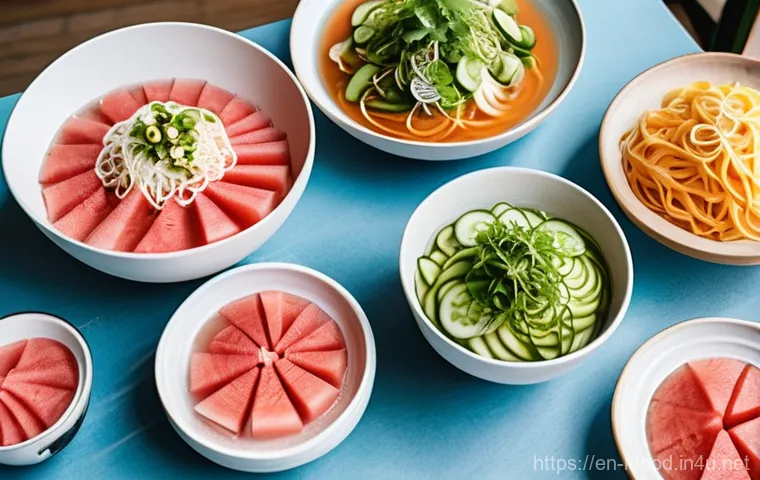
As the Korean summer heats up, the cuisine shifts dramatically to focus on cooling, refreshing, and often hydrating dishes. The idea is to combat the humidity and high temperatures with food that invigorates rather than weighs you down. I still remember my first proper Korean summer, when I was introduced to dishes like Naengmyeon (cold buckwheat noodles) and Kongguksu (chilled soybean noodle soup). They seemed so unconventional at first, but after a long, sweltering day, nothing hits the spot quite like a bowl of icy, savory broth and perfectly chewy noodles. It’s an instant cool-down that also satisfies your hunger. The markets become a riot of color with huge watermelons, juicy peaches, and crisp cucumbers, all designed to refresh. There’s an undeniable wisdom in how Korean cuisine adapts to the climate, offering relief and energy in the most delicious ways. This seasonal shift isn’t just about what’s available; it’s a cultural response to the environment, a way of living in harmony with nature’s demands. It speaks volumes about the deep-rooted connection between food, well-being, and the changing world around us, a connection I’ve grown to appreciate immensely.
Cooling Dishes for Sweltering Days
When the mercury rises and the humidity hangs heavy in the air, traditional Korean kitchens turn to a remarkable array of dishes designed to bring relief. I’ve found that these aren’t just about being cold; they often incorporate ingredients known for their cooling properties, according to traditional Korean medicine. Take Oi Naengguk, for example – a simple yet incredibly refreshing cold cucumber soup. It’s light, tangy, and absolutely perfect for a hot afternoon. Then there’s Hwachae, a traditional fruit punch, often made with watermelon or other seasonal fruits, served chilled with a hint of honey or sugar. It’s like a delicious, edible air conditioner! What I’ve observed is that these dishes aren’t just eaten; they’re savored as a vital part of coping with the summer heat. There’s a communal joy in sharing a large bowl of Patbingsu (shaved ice dessert with red beans) with friends on a scorching day, laughing and cooling down together. It transforms the challenge of summer into an opportunity for unique culinary pleasures and shared moments. It truly showcases how food in Korea is intertwined with daily life and well-being.
From Field to Table: The Ubiquitous Summer Vegetables
Summer in Korea brings with it an abundance of vegetables that become staples in countless dishes. Cucumbers, zucchinis (hobak), and eggplants are everywhere, thriving in the warm sun. I’ve always been amazed by the sheer variety and freshness available at local farmers’ markets during this season. You’ll find vendors selling giant baskets brimming with these vibrant vegetables, often picked just hours before. These ingredients form the base of many beloved summer Korean dishes, from light stir-fries to refreshing salads and flavorful stews. For instance, zucchini often finds its way into hobakjeon (zucchini pancakes) or becomes a key component in a spicy stew like kimchi jjigae, adding a subtle sweetness and texture. My personal favorite is a simple cucumber salad, lightly seasoned, that offers a crisp counterpoint to richer main dishes. It’s this freshness and versatility that make summer vegetables so indispensable. They’re not just filler; they are the heart of many meals, providing essential nutrients and contributing to the overall cooling and balancing effect that Korean cuisine seeks to achieve during the hottest months. It really drives home the point that local, seasonal produce just tastes better and is better for you.
Autumn’s Golden Embrace: A Harvest of Hearty Flavors
As the leaves begin to turn vibrant shades of red and gold, Korean cuisine transitions into a season of abundance and warmth. Autumn is, without a doubt, my favorite time to eat in Korea. The crisp air and brilliant sunshine bring forth a bounty of root vegetables, plump grains, and succulent fruits that are simply unparalleled. I always feel a sense of comfort and richness settling in during this time. Imagine the earthy aroma of roasted chestnuts filling the air, or the sight of vibrant persimmons ripening on trees. It’s a time for more substantial, warming dishes that prepare you for the colder months ahead. This shift from light and cooling summer fare to hearty and nourishing autumn meals is incredibly satisfying. My first taste of truly fresh-harvested tteokgalbi (grilled short rib patties) in autumn, served with a side of freshly steamed rice, was an epiphany – the flavors were so much deeper, more robust, and incredibly satisfying. This season embodies the concept of “food as medicine,” where ingredients are chosen not just for taste but for their ability to nourish and sustain the body as the seasons change. It’s a culinary hug that warms you from the inside out, a true celebration of the harvest and the earth’s generosity.
Root Vegetables and Their Earthy Richness
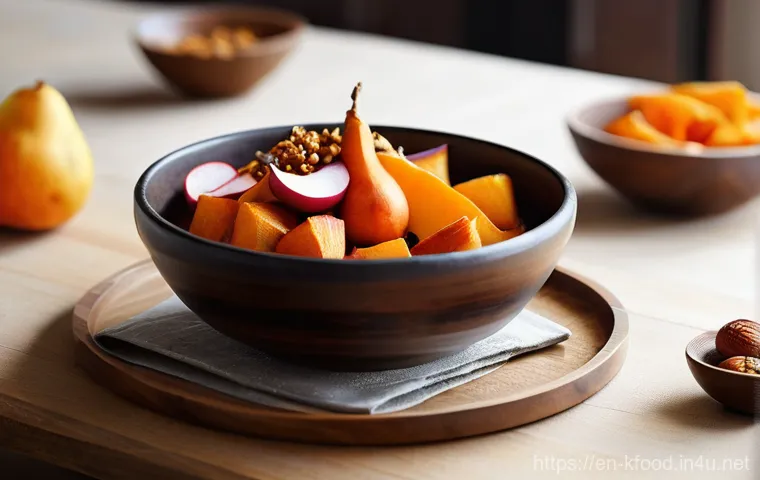
Autumn is the season when root vegetables truly come into their own in Korean cooking. Think about the sweet potato (goguma), radish (mu), and various types of potato. These aren’t just humble vegetables; they become stars in their own right, offering a depth of flavor and a comforting texture that perfectly suits the cooler weather. I’ve spent countless evenings enjoying roasted sweet potatoes, a quintessential autumn snack, their natural sweetness intensified by the heat. Then there’s the Korean radish, which is larger and milder than its Western counterparts, making it incredibly versatile. It’s used in countless stews, soups, and even fermented into a unique type of kimchi. The earthy notes of these vegetables provide a wonderful base for more complex flavors, absorbing spices and broths beautifully. There’s something so grounding about eating food that has grown beneath the soil, pulling nutrients directly from the earth. It feels wholesome and deeply nourishing. This reliance on root vegetables in autumn is a practical and delicious way to ensure a stable food supply through the colder months, while also celebrating the hearty flavors that define the season. It’s a beautiful testament to the resilience and resourcefulness inherent in Korean culinary traditions.
Seasonal Fruits: Sweet Endings to Grand Meals
While savory dishes often take center stage, autumn also brings an incredible array of fruits that provide perfect sweet endings to any meal. Korean pears (bae), persimmons (gam), and apples are at their peak during this time, bursting with natural sweetness and juiciness. I can still vividly recall visiting an apple orchard in Korea during autumn and biting into a freshly picked apple – it was unlike anything I had ever tasted before, incredibly crisp and sweet. Persimmons, both the firm, crisp variety and the soft, honey-like ones, are another autumn delight. They’re often eaten fresh, but also dried to make gotgam, a chewy, naturally sweet snack. These fruits aren’t just treats; they are deeply woven into Korean culture, often given as gifts and used in traditional desserts. They represent the culmination of the year’s growth, a sweet reward for the hard work of farmers throughout the seasons. Enjoying these seasonal fruits after a hearty autumn meal feels like the perfect natural conclusion, cleansing the palate and leaving a delightful lingering sweetness. It’s a wonderful reminder that nature provides everything we need, in perfect timing.
Winter’s Comfort: Deep Flavors and Sustaining Staples
When winter descends upon Korea, the culinary landscape transforms once again, embracing warmth, richness, and ingredients that provide sustenance during the colder months. It’s a time for robust flavors, comforting stews, and dishes that truly warm you from the inside out. I’ve always found a special beauty in the way Korean cuisine adapts to the biting cold, offering a kind of delicious embrace against the chill. My first winter in Korea was truly enlightening in this regard. I quickly learned the importance of dishes like tteokguk (rice cake soup) and the sheer joy of a bubbling pot of kimchi jjigae (kimchi stew) on a freezing evening. These aren’t just meals; they are experiences, often shared with family, that create a deep sense of connection and comfort. The winter ingredients, from hearty cabbages and radishes to an incredible array of seafood, become the building blocks for these nourishing dishes. It’s a season that truly showcases the depth and resilience of Korean cooking, proving that delicious and comforting meals can be created even when the outside world is cold and stark. There’s an undeniable satisfaction in gathering around a warm table, sharing food that has been carefully prepared to see you through the coldest days, a sentiment I truly cherish.
Seafood Treasures of the Cold Seas
While many think of hearty stews and root vegetables in winter, the colder waters surrounding the Korean peninsula also yield an incredible bounty of seafood that is at its absolute peak during these months. Oysters, crabs, and various types of fish become particularly flavorful and plump in the chilly seas. I vividly recall a trip to a coastal town during winter, where the seafood market was overflowing with fresh catches. The oysters, in particular, were plump and briny, perfect for eating raw with a splash of gochujang or incorporated into a warming stew. Crab stews, rich and spicy, become a popular choice, offering a luxurious warmth. It’s fascinating how the cold water enhances the texture and taste of these marine delicacies, making them a true winter treat. This seasonal availability of premium seafood adds another layer of complexity and richness to winter Korean cuisine, proving that warmth doesn’t just come from land-based ingredients. These ingredients offer a refreshing contrast and a vital source of protein and flavor, showcasing the diverse culinary landscape that Korea enjoys throughout the year, even in the depths of winter. It makes me appreciate the unique treasures each season brings.
Heartwarming Soups and Stews: A Winter Necessity
There’s nothing quite like a steaming bowl of soup or a bubbling stew to ward off the winter chill, and Korean cuisine truly excels in this area. Winter is undeniably the season for jjigae (stews) and guk (soups), each offering its own unique brand of comfort and flavor. From the spicy kick of sundubu jjigae (soft tofu stew) to the rich, savory broth of galbitang (short rib soup), these dishes become staples for a reason. I’ve found that these warming concoctions aren’t just delicious; they provide a deep, sustained warmth that seems to penetrate right to your bones. They’re often packed with nutrient-dense ingredients like various vegetables, meats, and tofu, making them incredibly satisfying and wholesome. The act of sharing a large pot of bubbling stew at the dinner table, with steam rising into the cold air, is a deeply comforting and communal experience. It’s a culinary tradition that perfectly aligns with the season’s need for warmth and nourishment, offering not just physical comfort but also a sense of togetherness. Trust me, once you’ve experienced a proper Korean winter stew, you’ll understand why it’s an absolute necessity during the colder months. It’s simply soul-warming food.
More Than Just Freshness: The Health & Cultural Connection
Beyond the delightful flavors and textures, the seasonality of Korean food is deeply intertwined with a profound understanding of health and well-being, as well as cultural heritage. It’s not just about what tastes good; it’s about what the body needs at different times of the year. I’ve learned so much about this philosophy during my time exploring Korean cuisine. The emphasis on balancing “hot” and “cold” ingredients according to the season, and consuming foods that support the body’s natural rhythms, is truly eye-opening. For instance, the cooling cucumbers and watermelons of summer aren’t accidental; they’re chosen specifically to help the body cope with heat. Conversely, the rich stews and root vegetables of winter provide warmth and energy. This thoughtful approach to food reflects centuries of accumulated wisdom, passed down through generations. It’s a holistic view that sees food as both sustenance and medicine, a cornerstone of a healthy and balanced life. This depth of understanding makes every meal feel more purposeful, more connected to a larger tradition of well-being, and really elevates the entire dining experience to something truly meaningful.
Ancient Wisdom Meets Modern Wellness
The connection between seasonality, health, and traditional wisdom in Korean cuisine is truly remarkable. It’s a philosophy that dates back centuries, long before modern nutritional science, yet it aligns incredibly well with current understandings of wholesome eating. I’ve often heard older Koreans speak about how eating seasonal foods keeps you healthy and in tune with nature. They inherently understand that ingredients are at their nutritional peak when they are in season, providing the most vibrant flavors and the richest array of vitamins and minerals. This isn’t just folklore; it’s practical wisdom. For example, the powerful antioxidants in spring greens or the hydrating properties of summer fruits are instinctively understood and utilized. This concept goes beyond mere physical health; it often extends to mental and emotional well-being too, with seasonal ingredients sometimes believed to uplift spirits or calm nerves. It’s a holistic approach that truly integrates food into a larger framework of mindful living. This seamless blend of ancient wisdom and modern wellness principles is one of the most compelling aspects of Korean seasonal eating, and something I believe we can all learn from in our daily lives.
The Joy of Shared Seasonal Meals
Beyond the individual health benefits, the seasonal aspect of Korean cuisine fosters a deep sense of community and shared joy. Gathering around a table laden with dishes made from the freshest seasonal ingredients is a quintessential Korean experience. I’ve been fortunate enough to participate in many such meals, and there’s a unique warmth that permeates these gatherings. Whether it’s sharing a cooling summer dish with friends or enjoying a hearty winter stew with family, the food acts as a catalyst for connection. These aren’t just meals; they are opportunities to bond, tell stories, and create lasting memories. The anticipation of a particular season’s delicacies, like the first sweet persimmons of autumn or the crisp namul of spring, creates a collective excitement. It brings people together, fostering conversations about farming, recipes, and traditions. This communal aspect is what truly brings the seasonal cycle to life, making it not just about what you eat, but who you share it with. It highlights the profound social role of food in Korean culture, turning every seasonal feast into a cherished occasion and reinforcing the idea that food is a language of love and community.
My Journey: Tapping into Korea’s Seasonal Secrets
Embarking on a culinary adventure through Korea’s seasonal offerings has been one of the most rewarding experiences of my life. It’s opened my eyes to a completely different way of thinking about food, one that respects nature’s rhythm and celebrates the fleeting perfection of each season. When I first started exploring Korean cooking, I admit, I was overwhelmed by the sheer variety and the seemingly endless array of ingredients. But as I began to understand the seasonal cycle, everything clicked into place. I realized that the secret to truly authentic and delicious Korean food lies not in chasing exotic ingredients, but in embracing what’s fresh, local, and in season. I remember spending a morning at a local market with a Korean friend, who patiently explained which items were “in their prime” that particular week. It was a revelation! Since then, I’ve made it a personal mission to align my own cooking with these principles, and I can tell you, the difference in taste is monumental. It’s not just about better flavor; it’s about feeling more connected to the food I eat and the rich cultural tapestry it represents. This journey has transformed my approach to cooking and eating, making it a much more mindful and enjoyable experience overall.
Tips for Your Own Seasonal Culinary Adventures
If you’re eager to dive into the world of seasonal Korean cooking, here are a few tips I’ve picked up along the way. Firstly, visit your local farmers’ market. This is where you’ll find the freshest, most in-season produce. Don’t be afraid to ask vendors what’s newly harvested; they’re often delighted to share their knowledge. Secondly, start simple. You don’t need to master complex recipes right away. A simple namul dish with blanched greens or a quick cucumber salad can introduce you to the intense flavors of seasonal ingredients. Thirdly, embrace discovery. Some of the best meals I’ve had have come from experimenting with an ingredient I’d never tried before, guided by what was fresh and abundant. Look for traditional Korean recipes that specifically call for seasonal vegetables or fruits. Many classic dishes are designed around the seasonal availability of their core ingredients. Lastly, be patient with yourself! Learning to cook seasonally is a journey, not a destination. It’s about cultivating an appreciation for nature’s calendar and allowing it to guide your culinary choices. The more you cook with seasonal ingredients, the more intuitive it becomes, and the more delicious your food will be, I promise!
Where to Find the Best Seasonal Ingredients
Finding the absolute best seasonal ingredients in Korea is an adventure in itself, and it often means venturing beyond the typical grocery store. For the truly authentic experience, I always recommend exploring local traditional markets (jaerae sijang). Places like Gwangjang Market in Seoul or various smaller, neighborhood markets are treasure troves of seasonal produce, often sold directly by the farmers who grew them. The energy and vibrancy of these markets are an experience in themselves, and you’ll find an incredible selection of fresh vegetables, fruits, and even seasonal seafood. If you’re not in Korea, don’t despair! Many Asian grocery stores in Western countries are increasingly stocking seasonal Korean produce, especially during peak seasons like summer and autumn. Also, consider checking out local farmers’ markets in your own area; you might be surprised to find some similar vegetables or even Korean-specific varieties grown locally. Online specialty stores are also a growing resource. The key is to be proactive and seek out sources that prioritize freshness and local sourcing. A little effort goes a long way in finding those perfect, peak-season ingredients that will truly elevate your Korean cooking and connect you to the heart of its culinary traditions.
| Season | Key Ingredients | Signature Dishes (Examples) |
|---|---|---|
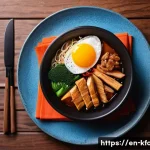
| Spring | Wild Greens (Namul), Strawberries, Asparagus, Jeju Radish | Bibimbap with fresh greens, Bomdong Geotjeori, Strawberry desserts |
| Summer | Cucumbers, Zucchini, Watermelon, Peaches, Melons, Eggplant | Naengmyeon (Cold Buckwheat Noodles), Kongguksu (Chilled Soybean Noodle Soup), Hwachae (Fruit Punch) |
| Autumn | Persimmons, Chestnuts, Pears, Apples, Sweet Potatoes, Shiitake Mushrooms | Tteokgalbi (Grilled Short Rib Patties), Jeon (Savory Pancakes), Gyeranppang (Egg Bread with Chestnuts) |
| Winter | Radishes, Cabbage, Oysters, Tangerines, Winter Greens | Kimchi Jjigae (Kimchi Stew), Sundubu Jjigae (Soft Tofu Stew), Tteokguk (Rice Cake Soup), Steamed Oysters |
글을 마치며
Well, my friends, as we wrap up this culinary journey through Korea’s vibrant seasons, I hope you’ve felt the same wonder and delight that I have. There’s something truly magical about food that is so intimately connected to the rhythm of nature, a dance between the earth’s bounty and the wisdom of generations.
It’s more than just eating; it’s an immersion into a culture that values harmony, health, and heartfelt connection through every single dish. Embracing these seasonal shifts in Korean cuisine has not only transformed my palate but also deepened my appreciation for mindful living and the profound stories food can tell.
So, next time you’re planning a meal, why not let the seasons guide your choices? You might just discover a whole new world of flavor and a deeper connection to your plate.
알아두면 쓸모 있는 정보
1.
Stepping into a traditional Korean market, like the bustling Gwangjang Market or a quaint neighborhood , is truly an experience for all the senses. It’s where you’ll find the beating heart of seasonal Korean cooking, with vendors proudly displaying their freshest catches and harvests, often picked just hours before. I’ve learned that the best way to really understand what’s in season is to simply ask! Don’t be shy; Korean people are incredibly friendly and passionate about their food. They’ll often tell you which greens are particularly tender this week, or which fruits are at their peak sweetness. You can taste samples, learn about traditional preparations, and even pick up some unique pantry staples that are hard to find elsewhere. Beyond the incredible array of ingredients, the vibrant atmosphere, the sounds of sellers calling out, and the rich aromas are an essential part of the cultural experience. It’s a living, breathing testament to Korea’s culinary heritage, and an absolute must-do for any food lover.
2.
One of the most exciting aspects of diving into seasonal Korean food is the opportunity to try ingredients and dishes you might never encounter otherwise. Don’t be afraid to step out of your comfort zone and sample something new, even if the name sounds unfamiliar. I’ve discovered some of my all-time favorite flavors by simply pointing to something intriguing at a market stall or ordering a dish recommended by a local. Think of the delicate bitterness of spring that perfectly cleanses the palate, or the surprising sweetness of a summer melon that’s nothing like the ones back home. Each season brings its own unique set of flavors, textures, and aromas that are fleeting, so seize the moment! You might find a new favorite vegetable, a soup that becomes your go-to comfort food, or a fruit that redefines what ‘sweet’ means to you. It’s an adventure for your taste buds, and a rewarding way to deepen your understanding of Korean culinary artistry.
3.
What I find truly fascinating about seasonal Korean eating is its deep-rooted connection to holistic health and wellness. It’s not just about what tastes good, but what nourishes your body in harmony with the changing environment. Ancient wisdom, often passed down through generations, emphasizes consuming cooling foods in summer to combat heat, and warming, substantial dishes in winter to build resilience against the cold. You’ll notice how spring greens are believed to detoxify, while autumn root vegetables provide grounding energy. This isn’t just folklore; it aligns beautifully with modern nutritional science, recognizing that ingredients are often at their peak nutritional value when in season. By eating seasonally, you’re naturally consuming foods that support your body’s natural rhythms, potentially boosting your immunity, digestion, and overall vitality. It’s a delicious and intuitive way to care for yourself, a practice that Koreans have perfected over centuries, making every meal a purposeful act of well-being.
4.
Bringing the magic of seasonal Korean cooking into your own kitchen is incredibly rewarding, and it’s easier than you might think. Start by identifying what local and seasonal ingredients are available in your area that might be similar to Korean produce. For instance, in spring, fresh leafy greens can be prepared in the style with sesame oil and garlic. In summer, cucumbers and zucchinis are universally available and can be transformed into refreshing Korean-inspired salads or stir-fries. Don’t feel pressured to make complex dishes; some of the most beloved Korean meals are wonderfully simple, allowing the fresh ingredients to shine. Experiment with basic seasonings like gochujang, soy sauce, sesame oil, and garlic, which are staples in Korean pantries. There are tons of fantastic online resources and cookbooks specifically for home cooks. The joy of creating a delicious, seasonal Korean meal from scratch, tailored to your own tastes, is an unparalleled experience that truly connects you to the heart of this incredible cuisine.
5.
Engaging with seasonal Korean food offers a unique and deeply personal path to cultural immersion, far beyond what any guidebook can offer. When you taste a in winter, you’re not just eating soup; you’re participating in a New Year’s tradition that symbolizes good fortune and a fresh start. When you share a on a scorching summer day, you’re experiencing – fighting heat with heat – a core part of Korean summer culture. These seasonal meals are often tied to specific holidays, family gatherings, and agricultural cycles, making them rich with historical and social significance. By understanding and experiencing the food of each season, you gain a more profound insight into Korean values, traditions, and the daily lives of its people. It’s a delicious dialogue with a vibrant culture, allowing you to appreciate the interconnectedness of food, people, and the changing world around them. It truly turns every bite into a story, every meal into a memory, and every season into a celebration of life.
중요 사항 정리
To truly savor Korean cuisine is to embrace its seasonality. Each change of season brings a new palette of flavors and textures, offering unique health benefits and deeply enriching cultural experiences.
From the delicate greens of spring to the hearty stews of winter, every dish tells a story of harmony with nature. Dive in, explore the markets, and let the seasons guide your culinary adventure.
You’ll not only eat incredibly well but also forge a deeper connection to Korea’s soulful traditions.
Frequently Asked Questions (FAQ) 📖
Q: How does embracing seasonality actually transform the flavor profile of Korean dishes?
A: Oh, this is such a fantastic question! It’s something I’ve spent years exploring, hopping from market to market across Korea, and I can tell you, seasonality isn’t just a fancy word here; it’s the very soul of the food.
Think about it: a tomato you eat in July just bursts with sweetness and acidity, right? That same tomato in December? It’s… well, it’s just not the same.
Korean cuisine takes this concept to heart. When you use ingredients at their absolute peak – like vibrant spring greens that are tender and slightly bitter, or crunchy, sweet radishes harvested in late autumn – they bring an inherent depth of flavor that no amount of seasoning can replicate.
For instance, a simple namul (seasoned vegetable dish) made with fresh sigeumchi (spinach) in early spring has this incredible, almost sweet earthiness that disappears later in the year.
The vegetables absorb the changing sunlight, the specific nutrients from the soil at that moment, and it all translates into a more intense, pure taste.
It’s about celebrating what nature offers right now, making each dish taste alive and utterly authentic. Trust me, once you experience a dish like kongguksu (chilled soybean noodle soup) in the sweltering heat of summer with the freshest soybeans, you’ll understand what I mean – it’s a revelation!
Q: What are some of the key seasonal ingredients I should look out for, and which dishes truly highlight them?
A: This is where the fun really begins! Each season in Korea is like a culinary reset button, bringing its own stars to the table. In spring, you absolutely must try dishes with young, tender greens like naengi (shepherd’s purse), sigeumchi (spinach), and bomdong (spring cabbage).
My personal favorite for spring is naengi doenjangguk, a fermented soybean paste soup that just sings with the fresh, slightly peppery flavor of naengi.
It’s soul-warming and invigorating. As summer rolls in, prepare for the glorious arrival of crisp cucumbers, sweet potatoes, and plump eggplants, but the undisputed kings are undoubtedly fresh seafood and melons.
Think light, refreshing mul naengmyeon (cold noodle soup) or a spicy hoe muchim (raw fish salad) with summer-caught fish. And let’s not forget the incredible chamoe (Korean melon) and watermelon for dessert!
Autumn is a feast of root vegetables, mushrooms, and persimmons. I always look forward to gosari namul (fernbrake side dish) and hearty toranguk (taro soup), which are just perfect as the weather cools.
And then winter! Oh, winter brings incredibly sweet and robust radishes (mu), napa cabbage for the all-important kimchi-making season, and mandarins. My go-to is a steaming bowl of tteokguk (rice cake soup) or a deeply comforting galbijjim (braised short ribs) – those robust flavors are just what you need to brave the cold.
It’s all about eating what’s thriving, and believe me, you can taste the difference in every bite.
Q: For those of us outside Korea, how can we still capture the essence of Korean seasonality in our home cooking?
A: That’s a brilliant question, and one I get all the time from my readers! While it might feel daunting to replicate exactly what you’d find in a Seoul market, you can absolutely embrace the spirit of Korean seasonality right in your own kitchen.
My biggest tip is to first and foremost shop local and seasonal. Head to your local farmer’s market and see what’s truly fresh and abundant. If bell peppers are in season and incredibly flavorful, swap them into a dish where you might normally use a less-than-stellar out-of-season vegetable.
The key is to think about the flavor profile and texture that a seasonal Korean ingredient would bring. For example, if you can’t find specific Korean spring greens, look for similar tender, slightly bitter leafy greens that are in season where you live.
Try growing some common Korean herbs like perilla leaves (kkaennip) or Korean mint in a small pot if you have a sunny spot; fresh herbs make a huge difference!
Also, don’t underestimate the power of foundational Korean ingredients like gochujang, doenjang, and quality soy sauce – they provide that authentic flavor base.
Finally, try adapting recipes to highlight your local seasonal bounty. Instead of a specific Korean seasonal fruit, make a hwachae (fruit punch) with the best berries or stone fruits available to you.
It’s about being mindful of what’s at its peak, understanding the principles of Korean flavor, and having fun experimenting. You’ll be surprised how authentic and delicious your dishes can become!