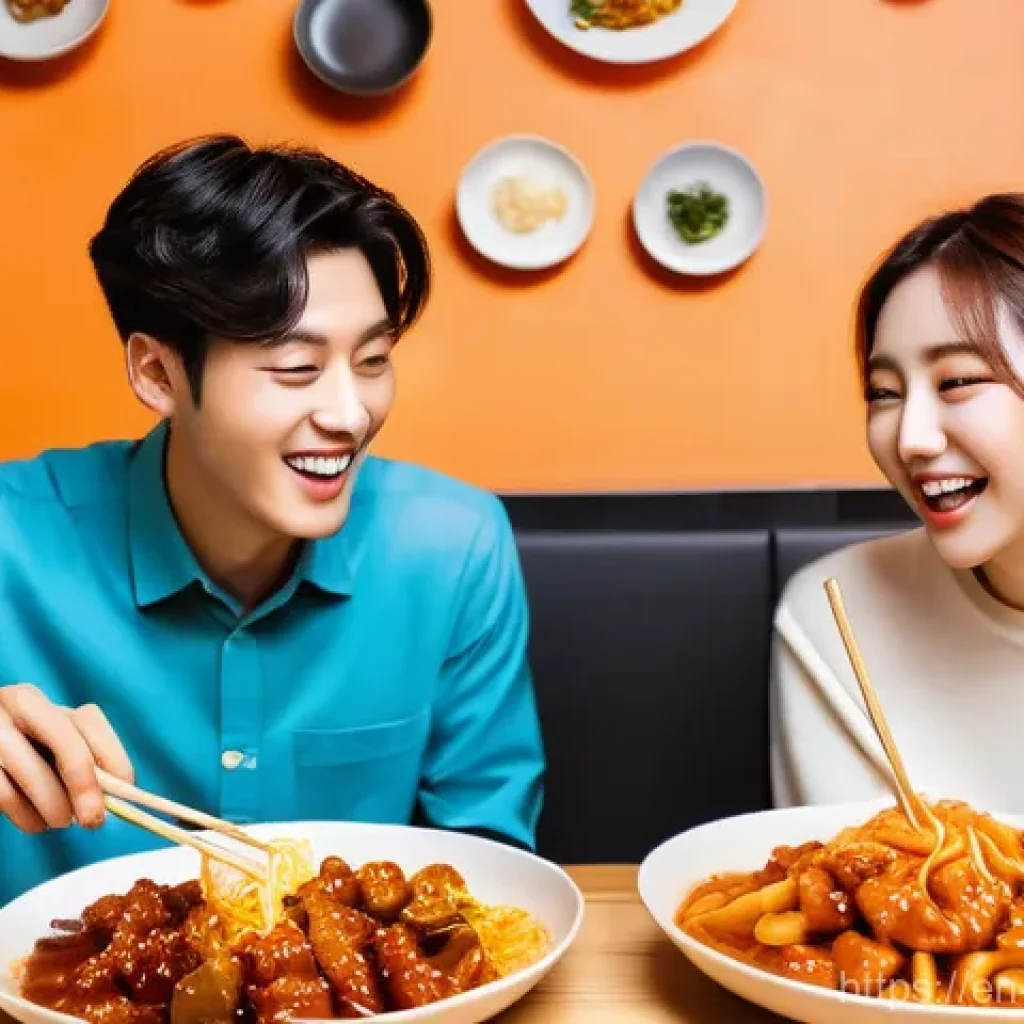
Hey there, food lovers! If you’re anything like me, your social media feeds and dinner plans have probably been swept up in the incredible global phenomenon that is Korean cuisine.
Seriously, it wasn’t that long ago that finding a truly authentic kimchi jjigae or a sizzling plate of bulgogi outside of major Korean communities felt like discovering a hidden gem.
But fast forward to today, and Korean fried chicken is a household name, tteokbokki cravings are real, and even Michelin-starred restaurants are showcasing the rich, diverse flavors of Korea.
It’s been absolutely fascinating to watch this culinary explosion, fueled by the unstoppable Hallyu wave – think K-Pop, K-Dramas, and those addictive mukbangs that make us all want a bite!
I’ve personally experienced how these vibrant dishes, often celebrated for their healthy fermented ingredients and bold, balanced flavors, have truly captured hearts worldwide.
This isn’t just about delicious food; it’s a genuine cultural bridge, building connections one savory, spicy, or sweet bite at a time. It’s more than a trend; it’s a delicious revolution that shows no signs of slowing down, evolving constantly with new innovations and a global palate that can’t get enough.
Ready to uncover the incredible story behind how Korean food conquered the world? Let’s dive deeper and explore this thoroughly!
The Hallyu Wave’s Culinary Ripple Effect
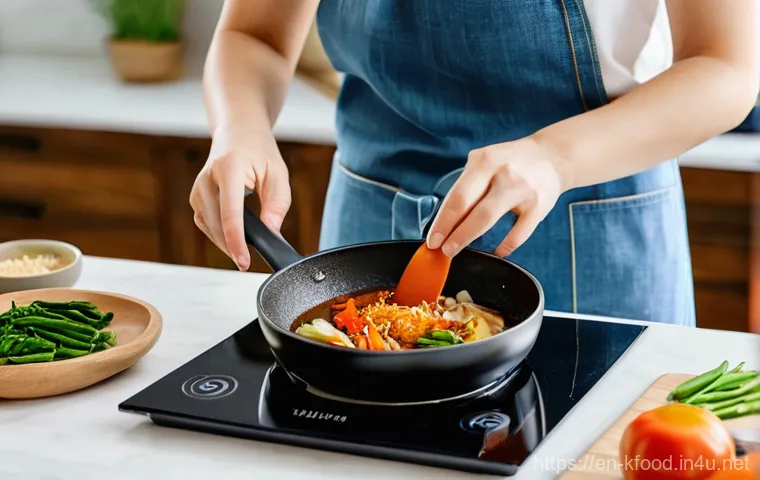
Honestly, who would’ve thought that my latest K-Drama binge would end up dictating my dinner plans for the week? It’s truly wild to think about how K-Pop and K-Dramas have done more than just entertain us; they’ve become our unofficial culinary tour guides, sparking an insatiable curiosity for Korean food.
I remember watching a scene where the characters were slurping down bowls of Jajangmyeon, and I swear, I could almost taste it through the screen. Suddenly, I wasn’t just obsessed with the storyline; I was on a mission to find the best Jajangmyeon in my city.
This isn’t just my experience either; countless friends have told me similar stories, from craving Tteokbokki after seeing it on “Squid Game” to wanting to try all the banchan after a K-Pop idol’s mukbang.
It’s a brilliant, organic way for a culture to share its food, making it feel less like a foreign dish and more like something you already have a connection with.
This cultural synergy has genuinely redefined how we discover and engage with international cuisines, moving beyond traditional restaurant reviews to a more personal, emotional connection driven by entertainment.
We’re not just eating food; we’re experiencing a slice of Korean life, one delicious bite at a time. It’s an incredible testament to the power of storytelling.
K-Drama and K-Pop: Our Unexpected Food Guides
It feels like just yesterday I was explaining what kimchi was to friends, and now they’re asking me for recommendations for the best Korean fried chicken spots!
The sheer power of K-Dramas and K-Pop in driving this culinary interest is astonishing. I’ve personally seen how shows like “Crash Landing on You” made everyone want to try a proper Korean BBQ experience, complete with grilling meat at the table and wrapping it in lettuce with various dips.
And let’s not even get started on the comfort food cravings that come with watching characters unwind with a bowl of instant ramyeon or a hearty kimchi jjigae after a long day.
It’s become a global conversation starter, a common ground where fans bond not just over music or plot twists, but over shared food experiences. This phenomenon isn’t just about passive viewing; it actively encourages us to seek out and try these dishes, often leading to a profound appreciation for the flavors and dining rituals.
The authenticity portrayed on screen makes us feel like we’re part of the experience, urging us to recreate that feeling in our own lives, leading to a massive surge in popularity for these iconic dishes.
Social Media’s Role in Spreading the Sizzle
Beyond the structured narratives of dramas, social media platforms have been absolute game-changers in amplifying Korean food’s reach. Think about it: how many times have you scrolled past a mouth-watering video of someone making perfectly crispy Korean fried chicken, or an ASMR clip of tteokbokki simmering away, making that addictive sound?
For me, it’s a daily occurrence! These short, visually arresting clips and vibrant photos aren’t just pretty to look at; they create an immediate, visceral desire to taste.
Influencers and regular users alike have turned into impromptu ambassadors, showcasing everything from elaborate restaurant spreads to simple home-cooked meals.
I’ve personally discovered so many hidden gem Korean restaurants thanks to local food bloggers on Instagram, and even learned a few cooking tricks from TikTok.
This kind of user-generated content feels incredibly authentic and trustworthy, much more so than traditional advertising. It’s a testament to how accessible and shareable Korean cuisine has become, truly making it a global kitchen staple.
From Kimchi to K-BBQ: Breaking Down Flavor Barriers
There was a time when the mere mention of fermented foods or spicy flavors would send some people running for the hills, myself included in my younger days!
But Korean cuisine has, quite miraculously, managed to dismantle these flavor prejudices and open up palates worldwide. What started with the recognizable tang of kimchi has blossomed into a full-blown appreciation for the complex, savory, and often spicy spectrum of Korean dishes.
I remember my first real Korean BBQ experience, feeling a bit overwhelmed by all the banchan – those delightful small side dishes – but also incredibly intrigued.
The sheer variety and the communal aspect of grilling meat at the table completely captivated me. It wasn’t just about the food; it was about the experience, the textures, the burst of flavors from sweet to savory to spicy all in one bite.
It’s been amazing to watch how many people, initially hesitant, are now proudly declaring their love for gochujang and asking for extra spicy tteokbokki.
This shift isn’t just a fleeting trend; it’s a deep-seated acceptance of a new culinary language that speaks directly to our cravings for bold and satisfying tastes.
The Comfort of Familiar Yet Exotic Tastes
One of the most interesting observations I’ve made about Korean food’s global ascent is its unique ability to feel both exotic and strangely comforting at the same time.
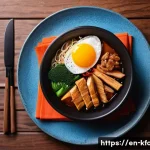
Think about it: dishes like Bibimbap, with its colorful array of vegetables, meat, and a fried egg over rice, isn’t conceptually too far off from a Western-style salad bowl or a hearty rice dish.
Yet, the distinct flavor profile from gochujang, sesame oil, and various namul (seasoned vegetables) elevates it into something fresh and exciting. I’ve often introduced friends who are a bit wary of “new” foods to dishes like Bulgogi, and almost without fail, they’re instantly hooked.
The sweet and savory marinade on tender beef is universally appealing, striking a perfect balance that reassures even the most cautious eaters. It’s this ingenious blend of familiar elements with distinctly Korean spices and preparation methods that makes the cuisine so approachable and ultimately, so beloved.
It’s like finding a new favorite song that has a melody you recognize but lyrics that tell a whole new story.
Understanding the Umami Revolution
The secret sauce, if you will, to why Korean food resonates so deeply with so many, often boils down to one powerful element: umami. This fifth basic taste, often described as savory or meaty, is absolutely foundational to Korean cooking, and once you start noticing it, you understand why these dishes are so incredibly addictive.
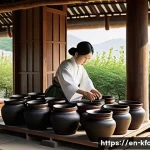
Ingredients like fermented soybean paste (doenjang), gochujang, soy sauce, anchovy broth, and, of course, kimchi, are all bursting with umami. I’ve experienced it firsthand when trying a really well-made kimchi jjigae – that deep, complex savoriness that just makes your mouth water and crave another spoonful.
It’s not just about being spicy or sweet; it’s that profound depth of flavor that lingers and satisfies on a fundamental level. As global palates have become more sophisticated and open to new tastes, the inherent umami richness of Korean food has truly captivated a worldwide audience, turning first-time tasters into lifelong fans.
The Health Halo: Why Everyone’s Talking About Fermented Foods
Beyond the incredible flavors, I’ve noticed a significant draw towards Korean cuisine stemming from its reputation as a healthy option, especially with the buzz around fermented foods.
It’s not just a trend; it’s a growing movement towards gut health and natural ingredients, and Korean food fits right in. Before I truly understood the science, I just knew eating kimchi made me feel good, almost revitalized.
Now, with more information available, it’s clear why. Fermented foods like kimchi, doenjang, and gochujang are packed with probiotics, which are fantastic for digestive health.
It’s fascinating to me how a culinary tradition that has existed for centuries is now perfectly aligned with modern wellness trends. When I share this aspect with people, it often adds another layer of appreciation to their Korean dining experience.
It’s not just a tasty meal; it’s a meal that potentially contributes to your overall well-being, which is a huge selling point in today’s health-conscious world.
Beyond Just Kimchi: A World of Healthy Ingredients
While kimchi often gets all the glory, the truth is, Korean cuisine is a treasure trove of healthy ingredients far beyond fermented cabbage. Think about the incredible array of fresh, vibrant vegetables in dishes like Bibimbap or the delicate, nutrient-rich broths in various stews.
Many traditional Korean meals are inherently balanced, focusing on lean proteins, a wide variety of vegetables, and complex carbohydrates from rice or noodles.
I’ve personally felt the difference after having a hearty Korean meal – it’s satisfying without being heavy, leaving you energized rather than sluggish.
The generous use of garlic, ginger, and other fresh aromatics also contributes to their health benefits, not just their deliciousness. It’s a stark contrast to some Western diets that rely heavily on processed foods, making Korean food an attractive alternative for those looking to eat better without sacrificing flavor.
The Wellness Trend Meets Korean Cuisine
It’s been genuinely interesting to see how the global wellness movement has embraced Korean cuisine so readily. From juice bars offering kimchi shots to health gurus extolling the virtues of various fermented vegetables, Korean food has seamlessly integrated into the broader conversation about healthy living.
I’ve even seen articles and social media posts discussing the potential longevity benefits of a traditional Korean diet. This isn’t just about fleeting fads; it’s a deeper understanding of how food acts as medicine and contributes to a holistic sense of well-being.
My friends who are really into fitness and nutrition are often the first ones to seek out Korean restaurants, not just for the taste, but for the nutritional value they know they’re getting.
It’s a powerful combination that ensures Korean food will remain a significant player in the global culinary landscape for years to come.
Innovating the Classics: New Twists for Global Palates
One of the coolest things about Korean food’s global takeover is how it’s managed to stay true to its roots while also evolving and adapting for new audiences.
It’s not just about replicating traditional dishes; it’s about innovating, fusing, and creating entirely new experiences that still capture the essence of Korean flavors.
I’ve been blown away by some of the creative dishes I’ve tried at modern Korean restaurants here in the States, where chefs are taking classic techniques and ingredients and applying them in exciting, unexpected ways.
This willingness to experiment and push boundaries is, I believe, a key factor in its enduring popularity. It keeps the cuisine fresh, exciting, and constantly gives us something new to try, ensuring we never get bored.
This dynamic approach means that whether you’re a purist or an adventurous eater, there’s always something intriguing on the Korean menu.
Fusion Feasts: Merging Cultures on a Plate
I’m a huge fan of culinary fusion when it’s done right, and Korean fusion cuisine has really hit the mark. Think about dishes like kimchi tacos or Korean BBQ burgers – these aren’t just novelty items; they’re genuinely delicious creations that introduce Korean flavors to people who might be more comfortable with a familiar format.
I remember trying a Korean bulgogi sandwich at a food truck festival, and it was absolutely mind-blowing. The tender, marinated beef, combined with a spicy mayo and crisp veggies, all nestled in a fresh baguette, was a perfect marriage of East and West.
These fusion dishes act as fantastic entry points, allowing people to ease into new taste profiles without feeling overwhelmed. They prove that Korean flavors are incredibly versatile and can elevate almost any dish, making them an exciting exploration for any food lover.
The Rise of Korean Fried Chicken Empire
If there’s one dish that truly epitomizes this innovation and global appeal, it’s got to be Korean Fried Chicken, or “KFC” for short! Seriously, it’s not just chicken; it’s an art form.
The double-frying technique results in an unbelievably crispy skin, and then there are all those amazing sauces – from sweet and spicy gochujang to savory soy garlic.
I’ve tried countless versions, and each time I’m impressed by the perfect crunch and juicy interior. It’s become a phenomenon in its own right, with chains popping up everywhere, giving even well-established fast-food joints a run for their money.
This isn’t just a snack; for many, it’s become a go-to meal, perfect for sharing with friends or enjoying during a K-Drama marathon. Its accessible, utterly delicious, and perfectly engineered appeal has undeniably carved out a massive niche in the global food market.
Bringing the Restaurant Home: Easy Korean Cooking for Everyone
As someone who loves to cook but also appreciates convenience, one of the biggest delights in the rise of Korean cuisine has been how accessible it’s become to make at home.
It wasn’t that long ago that finding authentic Korean ingredients felt like a scavenger hunt, but now, most major grocery stores carry staples like gochujang, gochugaru, and even fresh kimchi.
Plus, the internet is absolutely overflowing with recipes and tutorials, making it easier than ever to whip up your favorite dishes in your own kitchen.
I’ve personally spent countless evenings perfecting my homemade Tteokbokki and experimenting with different banchan recipes, and it’s been incredibly rewarding.
This shift towards home cooking makes Korean food not just a dining-out experience, but a comforting, everyday option for families worldwide.
Meal Kits and Online Tutorials: My Go-To Resources
For busy bees like me, meal kits have been an absolute lifesaver, and it’s thrilling to see more and more Korean-inspired options popping up. These kits take all the guesswork out of finding ingredients and often provide step-by-step instructions, making what might seem like a complex dish incredibly approachable.
Beyond kits, I’ve become a huge fan of online cooking channels and food blogs dedicated to Korean cuisine. There are so many talented home cooks and professional chefs sharing their wisdom, often with personal anecdotes and useful tips that you wouldn’t find in a standard cookbook.
I particularly love seeing how different creators adapt traditional recipes to suit modern kitchens or dietary preferences. It’s like having a friendly cooking mentor right in your living room, guiding you through the process and helping you build confidence in your Korean cooking skills.
The Joy of a DIY Korean Feast
There’s something uniquely satisfying about putting together a Korean feast right in your own kitchen. From the meticulous preparation of various banchan to the sizzling sound of bulgogi on the stovetop, it’s an experience that engages all your senses.
I often host “Korean night” dinners for my friends, where we all pitch in to prepare different dishes, and it always turns into such a fun, communal event.
The beauty of Korean food is that many dishes are designed for sharing, making it perfect for gatherings. Seeing the joy on my friends’ faces as they savor a dish I’ve made, perhaps even with ingredients I’ve sourced from a local Korean market, is incredibly rewarding.
It transforms a simple meal into a memorable occasion, reinforcing the idea that food is not just sustenance, but a powerful tool for connection and celebration.
The Economic Impact: More Than Just Delicious Dollars
It’s easy to focus on the deliciousness, but we can’t overlook the significant economic ripple effect of Korean food’s global rise. This isn’t just about satisfied taste buds; it’s about job creation, increased trade, and burgeoning industries across the globe.
From local farmers supplying fresh produce to Korean restaurants, to international shipping companies moving specialty ingredients, and even the real estate market seeing a boom in demand for restaurant spaces – the economic impact is far-reaching.
I’ve seen new Korean supermarkets pop up in my area, creating jobs and offering a wider variety of products to the community. This growth is a powerful testament to the fact that when cultures share their food, everyone benefits, not just culinarily, but economically too.
| Aspect | Global Impact | My Observation/Experience |
|---|---|---|
| Restaurant Growth | Rapid increase in Korean restaurants worldwide, from fine dining to casual eateries. | The number of Korean restaurants in my city has more than doubled in the last five years, offering diverse options. |
| Food Exports | Significant rise in exports of Korean food products (e.g., kimchi, gochujang, ramyeon). | My local supermarket now has a dedicated “International Foods” aisle heavily stocked with Korean ingredients. |
| Job Creation | New jobs in hospitality, food manufacturing, import/export, and related services. | Friends who work in the food industry have noted an increased demand for chefs and staff specializing in Korean cuisine. |
| Cultural Exchange | Increased tourism to Korea and interest in Korean culture, boosting related industries. | Hearing more people discussing trips to Korea specifically for the food and culinary experiences. |
From Local Eateries to Global Chains
The transformation from small, community-focused Korean restaurants to globally recognized chains is truly remarkable. What started as mom-and-pop shops serving their local Korean diaspora have now scaled up, often with significant investment, to become major players in the international food scene.
Brands that were once unknown outside of Korea are now household names in cities like New York, London, and Sydney. I’ve personally seen how these chains maintain quality and authenticity while adapting to different markets, making Korean food accessible to an even broader audience.
This expansion isn’t just about financial success; it’s about solidifying Korean cuisine’s place as a global culinary force, demonstrating its universal appeal and adaptability.
Investing in Authentic Korean Flavors
Beyond the popular dishes, there’s also a growing appreciation and investment in more traditional and regional Korean foods. This isn’t just about the mainstream hits; it’s about delving deeper into the rich tapestry of Korean culinary heritage.
I’ve noticed a rise in niche Korean delis and specialty stores that focus on artisanal kimchi, unique banchan, or specific regional ingredients. There’s a genuine desire among food enthusiasts to explore the true depth of Korean flavors, and businesses are responding by investing in these authentic offerings.
This trend ensures that while popular dishes pave the way, the entire spectrum of Korean gastronomy gets the recognition and appreciation it deserves, fostering a more nuanced understanding of the cuisine.
What’s Next on the Menu? The Evolving Landscape of K-Food
If there’s one thing I’ve learned watching Korean food take over the world, it’s that it’s far from a static phenomenon. It’s a dynamic, constantly evolving cuisine that continues to surprise and delight.
What’s next, you ask? I believe we’ll see an even greater emphasis on sustainability, local sourcing, and a deeper dive into regional specialties that haven’t yet hit the mainstream.
The curiosity that K-Pop and K-Dramas ignited has matured into a genuine appreciation, and now people are ready to explore beyond the familiar. It’s an exciting time to be a fan of Korean food, as the innovators and traditionalists alike continue to push boundaries and introduce us to even more incredible flavors.
The journey is truly ongoing, and I can’t wait to see what delicious experiences await us around the next culinary corner.
Sustainable Practices and Local Sourcing
As consumers become more conscious about where their food comes from and its environmental impact, I predict a significant shift in the Korean food scene towards sustainable practices and local sourcing.
Many traditional Korean ingredients lend themselves perfectly to local cultivation, and I’m already seeing chefs and restaurateurs actively seeking out local farms for their vegetables and even developing partnerships to grow specific Korean produce.
Imagine kimchi made with locally grown cabbage or banchan featuring seasonal, regional ingredients – it’s a brilliant way to honor tradition while also supporting local economies and reducing carbon footprints.
This movement not only makes the food more environmentally friendly but also often enhances its freshness and flavor, creating a win-win for everyone involved, from producers to diners.
Beyond the Big Hits: Discovering Regional Delicacies
While dishes like bulgogi, bibimbap, and Korean fried chicken have undeniably paved the way, I strongly believe the next wave of K-food exploration will be a deep dive into Korea’s incredibly diverse regional delicacies.
Each province and city in Korea boasts its own unique culinary traditions and specialties, many of which are still relatively unknown outside of the country.
I’m personally hoping to see more attention paid to dishes like Gyeongsang-do’s hearty Dwaeji Gukbap (pork soup with rice) or Jeolla-do’s famously rich and complex Hanjeongsik (full-course meal).
As diners become more adventurous and knowledgeable, they’ll seek out these authentic, less-mainstream experiences, driving demand for a wider array of Korean flavors.
It’s an exciting prospect, promising a future where our understanding of Korean cuisine is even richer and more nuanced.
The Hallyu Wave’s Culinary Ripple Effect
Honestly, who would’ve thought that my latest K-Drama binge would end up dictating my dinner plans for the week? It’s truly wild to think about how K-Pop and K-Dramas have done more than just entertain us; they’ve become our unofficial culinary tour guides, sparking an insatiable curiosity for Korean food.
I remember watching a scene where the characters were slurping down bowls of Jajangmyeon, and I swear, I could almost taste it through the screen. Suddenly, I wasn’t just obsessed with the storyline; I was on a mission to find the best Jajangmyeon in my city.
This isn’t just my experience either; countless friends have told me similar stories, from craving Tteokbokki after seeing it on “Squid Game” to wanting to try all the banchan after a K-Pop idol’s mukbang.
It’s a brilliant, organic way for a culture to share its food, making it feel less like a foreign dish and more like something you already have a connection with.
This cultural synergy has genuinely redefined how we discover and engage with international cuisines, moving beyond traditional restaurant reviews to a more personal, emotional connection driven by entertainment.
We’re not just eating food; we’re experiencing a slice of Korean life, one delicious bite at a time. It’s an incredible testament to the power of storytelling.
K-Drama and K-Pop: Our Unexpected Food Guides
It feels like just yesterday I was explaining what kimchi was to friends, and now they’re asking me for recommendations for the best Korean fried chicken spots!
The sheer power of K-Dramas and K-Pop in driving this culinary interest is astonishing. I’ve personally seen how shows like “Crash Landing on You” made everyone want to try a proper Korean BBQ experience, complete with grilling meat at the table and wrapping it in lettuce with various dips.
And let’s not even get started on the comfort food cravings that come with watching characters unwind with a bowl of instant ramyeon or a hearty kimchi jjigae after a long day.
It’s become a global conversation starter, a common ground where fans bond not just over music or plot twists, but over shared food experiences. This phenomenon isn’t just about passive viewing; it actively encourages us to seek out and try these dishes, often leading to a profound appreciation for the flavors and dining rituals.
The authenticity portrayed on screen makes us feel like we’re part of the experience, urging us to recreate that feeling in our own lives, leading to a massive surge in popularity for these iconic dishes.
Social Media’s Role in Spreading the Sizzle
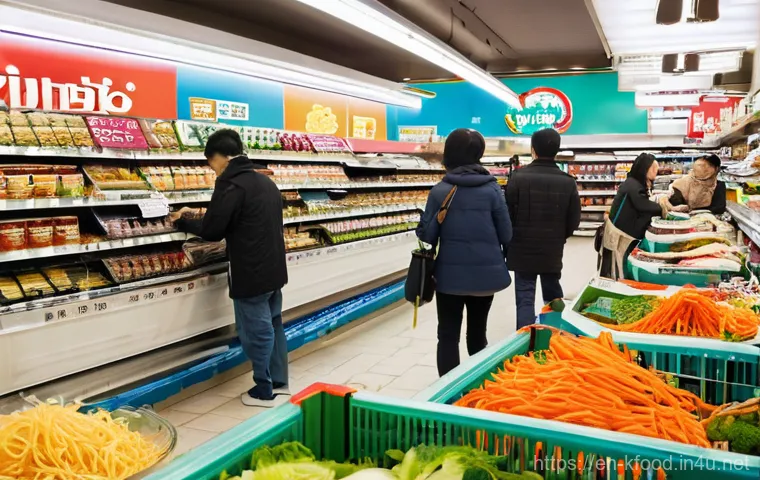
Beyond the structured narratives of dramas, social media platforms have been absolute game-changers in amplifying Korean food’s reach. Think about it: how many times have you scrolled past a mouth-watering video of someone making perfectly crispy Korean fried chicken, or an ASMR clip of tteokbokki simmering away, making that addictive sound?
For me, it’s a daily occurrence! These short, visually arresting clips and vibrant photos aren’t just pretty to look at; they create an immediate, visceral desire to taste.
Influencers and regular users alike have turned into impromptu ambassadors, showcasing everything from elaborate restaurant spreads to simple home-cooked meals.
I’ve personally discovered so many hidden gem Korean restaurants thanks to local food bloggers on Instagram, and even learned a few cooking tricks from TikTok.
This kind of user-generated content feels incredibly authentic and trustworthy, much more so than traditional advertising. It’s a testament to how accessible and shareable Korean cuisine has become, truly making it a global kitchen staple.
From Kimchi to K-BBQ: Breaking Down Flavor Barriers
There was a time when the mere mention of fermented foods or spicy flavors would send some people running for the hills, myself included in my younger days!
But Korean cuisine has, quite miraculously, managed to dismantle these flavor prejudices and open up palates worldwide. What started with the recognizable tang of kimchi has blossomed into a full-blown appreciation for the complex, savory, and often spicy spectrum of Korean dishes.
I remember my first real Korean BBQ experience, feeling a bit overwhelmed by all the banchan – those delightful small side dishes – but also incredibly intrigued.
The sheer variety and the communal aspect of grilling meat at the table completely captivated me. It wasn’t just about the food; it was about the experience, the textures, the burst of flavors from sweet to savory to spicy all in one bite.
It’s been amazing to watch how many people, initially hesitant, are now proudly declaring their love for gochujang and asking for extra spicy tteokbokki.
This shift isn’t just a fleeting trend; it’s a deep-seated acceptance of a new culinary language that speaks directly to our cravings for bold and satisfying tastes.
The Comfort of Familiar Yet Exotic Tastes
One of the most interesting observations I’ve made about Korean food’s global ascent is its unique ability to feel both exotic and strangely comforting at the same time.
Think about it: dishes like Bibimbap, with its colorful array of vegetables, meat, and a fried egg over rice, isn’t conceptually too far off from a Western-style salad bowl or a hearty rice dish.
Yet, the distinct flavor profile from gochujang, sesame oil, and various namul (seasoned vegetables) elevates it into something fresh and exciting. I’ve often introduced friends who are a bit wary of “new” foods to dishes like Bulgogi, and almost without fail, they’re instantly hooked.
The sweet and savory marinade on tender beef is universally appealing, striking a perfect balance that reassures even the most cautious eaters. It’s this ingenious blend of familiar elements with distinctly Korean spices and preparation methods that makes the cuisine so approachable and ultimately, so beloved.
It’s like finding a new favorite song that has a melody you recognize but lyrics that tell a whole new story.
Understanding the Umami Revolution
The secret sauce, if you will, to why Korean food resonates so deeply with so many, often boils down to one powerful element: umami. This fifth basic taste, often described as savory or meaty, is absolutely foundational to Korean cooking, and once you start noticing it, you understand why these dishes are so incredibly addictive.
Ingredients like fermented soybean paste (doenjang), gochujang, soy sauce, anchovy broth, and, of course, kimchi, are all bursting with umami. I’ve experienced it firsthand when trying a really well-made kimchi jjigae – that deep, complex savoriness that just makes your mouth water and crave another spoonful.
It’s not just about being spicy or sweet; it’s that profound depth of flavor that lingers and satisfies on a fundamental level. As global palates have become more sophisticated and open to new tastes, the inherent umami richness of Korean food has truly captivated a worldwide audience, turning first-time tasters into lifelong fans.
The Health Halo: Why Everyone’s Talking About Fermented Foods
Beyond the incredible flavors, I’ve noticed a significant draw towards Korean cuisine stemming from its reputation as a healthy option, especially with the buzz around fermented foods.
It’s not just a trend; it’s a growing movement towards gut health and natural ingredients, and Korean food fits right in. Before I truly understood the science, I just knew eating kimchi made me feel good, almost revitalized.
Now, with more information available, it’s clear why. Fermented foods like kimchi, doenjang, and gochujang are packed with probiotics, which are fantastic for digestive health.
It’s fascinating to me how a culinary tradition that has existed for centuries is now perfectly aligned with modern wellness trends. When I share this aspect with people, it often adds another layer of appreciation to their Korean dining experience.
It’s not just a tasty meal; it’s a meal that potentially contributes to your overall well-being, which is a huge selling point in today’s health-conscious world.
Beyond Just Kimchi: A World of Healthy Ingredients
While kimchi often gets all the glory, the truth is, Korean cuisine is a treasure trove of healthy ingredients far beyond fermented cabbage. Think about the incredible array of fresh, vibrant vegetables in dishes like Bibimbap or the delicate, nutrient-rich broths in various stews.
Many traditional Korean meals are inherently balanced, focusing on lean proteins, a wide variety of vegetables, and complex carbohydrates from rice or noodles.
I’ve personally felt the difference after having a hearty Korean meal – it’s satisfying without being heavy, leaving you energized rather than sluggish.
The generous use of garlic, ginger, and other fresh aromatics also contributes to their health benefits, not just their deliciousness. It’s a stark contrast to some Western diets that rely heavily on processed foods, making Korean food an attractive alternative for those looking to eat better without sacrificing flavor.
The Wellness Trend Meets Korean Cuisine
It’s been genuinely interesting to see how the global wellness movement has embraced Korean cuisine so readily. From juice bars offering kimchi shots to health gurus extolling the virtues of various fermented vegetables, Korean food has seamlessly integrated into the broader conversation about healthy living.
I’ve even seen articles and social media posts discussing the potential longevity benefits of a traditional Korean diet. This isn’t just about fleeting fads; it’s a deeper understanding of how food acts as medicine and contributes to a holistic sense of well-being.
My friends who are really into fitness and nutrition are often the first ones to seek out Korean restaurants, not just for the taste, but for the nutritional value they know they’re getting.
It’s a powerful combination that ensures Korean food will remain a significant player in the global culinary landscape for years to come.
Innovating the Classics: New Twists for Global Palates
One of the coolest things about Korean food’s global takeover is how it’s managed to stay true to its roots while also evolving and adapting for new audiences.
It’s not just about replicating traditional dishes; it’s about innovating, fusing, and creating entirely new experiences that still capture the essence of Korean flavors.
I’ve been blown away by some of the creative dishes I’ve tried at modern Korean restaurants here in the States, where chefs are taking classic techniques and ingredients and applying them in exciting, unexpected ways.
This willingness to experiment and push boundaries is, I believe, a key factor in its enduring popularity. It keeps the cuisine fresh, exciting, and constantly gives us something new to try, ensuring we never get bored.
This dynamic approach means that whether you’re a purist or an adventurous eater, there’s always something intriguing on the Korean menu.
Fusion Feasts: Merging Cultures on a Plate
I’m a huge fan of culinary fusion when it’s done right, and Korean fusion cuisine has really hit the mark. Think about dishes like kimchi tacos or Korean BBQ burgers – these aren’t just novelty items; they’re genuinely delicious creations that introduce Korean flavors to people who might be more comfortable with a familiar format.
I remember trying a Korean bulgogi sandwich at a food truck festival, and it was absolutely mind-blowing. The tender, marinated beef, combined with a spicy mayo and crisp veggies, all nestled in a fresh baguette, was a perfect marriage of East and West.
These fusion dishes act as fantastic entry points, allowing people to ease into new taste profiles without feeling overwhelmed. They prove that Korean flavors are incredibly versatile and can elevate almost any dish, making them an exciting exploration for any food lover.
The Rise of Korean Fried Chicken Empire
If there’s one dish that truly epitomizes this innovation and global appeal, it’s got to be Korean Fried Chicken, or “KFC” for short! Seriously, it’s not just chicken; it’s an art form.
The double-frying technique results in an unbelievably crispy skin, and then there are all those amazing sauces – from sweet and spicy gochujang to savory soy garlic.
I’ve tried countless versions, and each time I’m impressed by the perfect crunch and juicy interior. It’s become a phenomenon in its own right, with chains popping up everywhere, giving even well-established fast-food joints a run for their money.
This isn’t just a snack; for many, it’s become a go-to meal, perfect for sharing with friends or enjoying during a K-Drama marathon. Its accessible, utterly delicious, and perfectly engineered appeal has undeniably carved out a massive niche in the global food market.
Bringing the Restaurant Home: Easy Korean Cooking for Everyone
As someone who loves to cook but also appreciates convenience, one of the biggest delights in the rise of Korean cuisine has been how accessible it’s become to make at home.
It wasn’t that long ago that finding authentic Korean ingredients felt like a scavenger hunt, but now, most major grocery stores carry staples like gochujang, gochugaru, and even fresh kimchi.
Plus, the internet is absolutely overflowing with recipes and tutorials, making it easier than ever to whip up your favorite dishes in your own kitchen.
I’ve personally spent countless evenings perfecting my homemade Tteokbokki and experimenting with different banchan recipes, and it’s been incredibly rewarding.
This shift towards home cooking makes Korean food not just a dining-out experience, but a comforting, everyday option for families worldwide.
Meal Kits and Online Tutorials: My Go-To Resources
For busy bees like me, meal kits have been an absolute lifesaver, and it’s thrilling to see more and more Korean-inspired options popping up. These kits take all the guesswork out of finding ingredients and often provide step-by-step instructions, making what might seem like a complex dish incredibly approachable.
Beyond kits, I’ve become a huge fan of online cooking channels and food blogs dedicated to Korean cuisine. There are so many talented home cooks and professional chefs sharing their wisdom, often with personal anecdotes and useful tips that you wouldn’t find in a standard cookbook.
I particularly love seeing how different creators adapt traditional recipes to suit modern kitchens or dietary preferences. It’s like having a friendly cooking mentor right in your living room, guiding you through the process and helping you build confidence in your Korean cooking skills.
The Joy of a DIY Korean Feast
There’s something uniquely satisfying about putting together a Korean feast right in your own kitchen. From the meticulous preparation of various banchan to the sizzling sound of bulgogi on the stovetop, it’s an experience that engages all your senses.
I often host “Korean night” dinners for my friends, where we all pitch in to prepare different dishes, and it always turns into such a fun, communal event.
The beauty of Korean food is that many dishes are designed for sharing, making it perfect for gatherings. Seeing the joy on my friends’ faces as they savor a dish I’ve made, perhaps even with ingredients I’ve sourced from a local Korean market, is incredibly rewarding.
It transforms a simple meal into a memorable occasion, reinforcing the idea that food is not just sustenance, but a powerful tool for connection and celebration.
The Economic Impact: More Than Just Delicious Dollars
It’s easy to focus on the deliciousness, but we can’t overlook the significant economic ripple effect of Korean food’s global rise. This isn’t just about satisfied taste buds; it’s about job creation, increased trade, and burgeoning industries across the globe.
From local farmers supplying fresh produce to Korean restaurants, to international shipping companies moving specialty ingredients, and even the real estate market seeing a boom in demand for restaurant spaces – the economic impact is far-reaching.
I’ve seen new Korean supermarkets pop up in my area, creating jobs and offering a wider variety of products to the community. This growth is a powerful testament to the fact that when cultures share their food, everyone benefits, not just culinarily, but economically too.
| Aspect | Global Impact | My Observation/Experience |
|---|---|---|
| Restaurant Growth | Rapid increase in Korean restaurants worldwide, from fine dining to casual eateries. | The number of Korean restaurants in my city has more than doubled in the last five years, offering diverse options. |
| Food Exports | Significant rise in exports of Korean food products (e.g., kimchi, gochujang, ramyeon). | My local supermarket now has a dedicated “International Foods” aisle heavily stocked with Korean ingredients. |
| Job Creation | New jobs in hospitality, food manufacturing, import/export, and related services. | Friends who work in the food industry have noted an increased demand for chefs and staff specializing in Korean cuisine. |
| Cultural Exchange | Increased tourism to Korea and interest in Korean culture, boosting related industries. | Hearing more people discussing trips to Korea specifically for the food and culinary experiences. |
From Local Eateries to Global Chains
The transformation from small, community-focused Korean restaurants to globally recognized chains is truly remarkable. What started as mom-and-pop shops serving their local Korean diaspora have now scaled up, often with significant investment, to become major players in the international food scene.
Brands that were once unknown outside of Korea are now household names in cities like New York, London, and Sydney. I’ve personally seen how these chains maintain quality and authenticity while adapting to different markets, making Korean food accessible to an even broader audience.
This expansion isn’t just about financial success; it’s about solidifying Korean cuisine’s place as a global culinary force, demonstrating its universal appeal and adaptability.
Investing in Authentic Korean Flavors
Beyond the popular dishes, there’s also a growing appreciation and investment in more traditional and regional Korean foods. This isn’t just about the mainstream hits; it’s about delving deeper into the rich tapestry of Korean culinary heritage.
I’ve noticed a rise in niche Korean delis and specialty stores that focus on artisanal kimchi, unique banchan, or specific regional ingredients. There’s a genuine desire among food enthusiasts to explore the true depth of Korean flavors, and businesses are responding by investing in these authentic offerings.
This trend ensures that while popular dishes pave the way, the entire spectrum of Korean gastronomy gets the recognition and appreciation it deserves, fostering a more nuanced understanding of the cuisine.
What’s Next on the Menu? The Evolving Landscape of K-Food
If there’s one thing I’ve learned watching Korean food take over the world, it’s that it’s far from a static phenomenon. It’s a dynamic, constantly evolving cuisine that continues to surprise and delight.
What’s next, you ask? I believe we’ll see an even greater emphasis on sustainability, local sourcing, and a deeper dive into regional specialties that haven’t yet hit the mainstream.
The curiosity that K-Pop and K-Dramas ignited has matured into a genuine appreciation, and now people are ready to explore beyond the familiar. It’s an exciting time to be a fan of Korean food, as the innovators and traditionalists alike continue to push boundaries and introduce us to even more incredible flavors.
The journey is truly ongoing, and I can’t wait to see what delicious experiences await us around the next culinary corner.
Sustainable Practices and Local Sourcing
As consumers become more conscious about where their food comes from and its environmental impact, I predict a significant shift in the Korean food scene towards sustainable practices and local sourcing.
Many traditional Korean ingredients lend themselves perfectly to local cultivation, and I’m already seeing chefs and restaurateurs actively seeking out local farms for their vegetables and even developing partnerships to grow specific Korean produce.
Imagine kimchi made with locally grown cabbage or banchan featuring seasonal, regional ingredients – it’s a brilliant way to honor tradition while also supporting local economies and reducing carbon footprints.
This movement not only makes the food more environmentally friendly but also often enhances its freshness and flavor, creating a win-win for everyone involved, from producers to diners.
Beyond the Big Hits: Discovering Regional Delicacies
While dishes like bulgogi, bibimbap, and Korean fried chicken have undeniably paved the way, I strongly believe the next wave of K-food exploration will be a deep dive into Korea’s incredibly diverse regional delicacies.
Each province and city in Korea boasts its own unique culinary traditions and specialties, many of which are still relatively unknown outside of the country.
I’m personally hoping to see more attention paid to dishes like Gyeongsang-do’s hearty Dwaeji Gukbap (pork soup with rice) or Jeolla-do’s famously rich and complex Hanjeongsik (full-course meal).
As diners become more adventurous and knowledgeable, they’ll seek out these authentic, less-mainstream experiences, driving demand for a wider array of Korean flavors.
It’s an exciting prospect, promising a future where our understanding of Korean cuisine is even richer and more nuanced.
Wrapping Things Up
And there you have it, folks! What started as a fascinating cultural phenomenon fueled by catchy tunes and captivating stories has blossomed into a global culinary sensation that shows no signs of slowing down. Korean food isn’t just about delicious flavors; it’s about connection, experience, and an incredible journey of discovery that continually enriches our tables and our lives. It’s been an absolute joy to witness, and honestly, to be a part of, this amazing wave.
Useful Tips and Info
-
Explore Beyond the Basics: While classics like Bibimbap, Bulgogi, and Korean Fried Chicken are fantastic entry points, don’t be afraid to venture into lesser-known regional dishes. Places like specialty Korean delis or smaller, authentic eateries often offer a wider array of unique banchan and regional stews that will truly broaden your palate. I personally found a tiny spot in my neighborhood that serves the most incredible spicy pollack soup, something I never would have tried if I stuck to the mainstream options!
-
Master Your Home Cooking: With the availability of ingredients and online tutorials, making Korean food at home has never been easier. Start with simple recipes like Kimchi Fried Rice or easy Tteokbokki. Investing in a good gochujang and gochugaru will be a game-changer. I remember my first attempt at homemade kimchi; it was a disaster, but after watching a few YouTube tutorials and tweaking the recipe, it’s now a regular in my fridge and a source of serious bragging rights among my friends!
-
Embrace the Health Benefits: Many Korean dishes are naturally packed with fermented ingredients and fresh vegetables, making them a fantastic choice for gut health and overall wellness. Don’t just eat it because it’s tasty (though it absolutely is!); appreciate the nutritional value. When I swapped out some of my usual takeout for homemade Korean meals, I genuinely felt more energized and lighter, which was an unexpected but very welcome bonus.
-
Socialize the Korean Way: Korean dining is often a communal experience. Think about sharing small plates, grilling meat at the table, and passing around bowls of stew. It’s a fantastic way to connect with friends and family. My favorite memory is a K-BBQ night where everyone was laughing, cooking together, and trying different banchan – it felt less like just eating and more like a shared adventure.
-
Support Local Korean Businesses: Whether it’s a restaurant, a grocery store, or an online shop specializing in Korean goods, supporting these businesses helps to keep the Hallyu wave thriving and ensures access to authentic flavors. Plus, you often find the best, freshest ingredients and hidden culinary gems when you shop local. I always make a point to visit my local Korean market for specific ingredients; the owners are so friendly and always have the best recommendations!
Key Takeaways
Korean cuisine’s meteoric rise is far more than a fleeting trend; it’s a profound cultural phenomenon driven by its incredible flavors, health benefits, and widespread accessibility. Our journey through this post highlights how K-Dramas and K-Pop act as powerful, organic conduits, introducing millions to dishes that quickly become cherished favorites. Social media further amplifies this, turning every delicious bite into a shareable experience that sparks curiosity and encourages culinary exploration. We’ve seen how traditional barriers to new tastes are breaking down, largely thanks to the universal appeal of umami and the comforting yet exotic nature of Korean dishes. What truly cements its place in our hearts, beyond the deliciousness, is the growing recognition of its wellness aspects, with fermented foods leading the charge in a health-conscious world. Finally, the innovation and economic impact signify a dynamic, evolving cuisine that continues to create jobs, foster cultural exchange, and promises an even richer culinary future for us all. It’s truly a testament to the power of food to bring people together, transcending borders and creating shared joy.
Frequently Asked Questions (FAQ) 📖
Q: uestions
A: bout the Global Rise of Korean Cuisine
Q: What’s the secret sauce behind Korean food’s explosion onto the global stage?
A: Oh, if only it were just one secret sauce, right? From what I’ve seen and experienced, it’s a fantastic blend of factors that have propelled Korean cuisine from niche to global sensation.
A huge part of it, without a doubt, is the “Hallyu” or Korean Wave. Think about it: K-Pop idols eating tteokbokki on live streams, K-Drama characters sharing a comforting bowl of ramyeon, or even a sizzling Korean BBQ scene that just makes your stomach rumble while you’re binging a series.
These moments create an emotional connection and spark a genuine curiosity in viewers worldwide to try these dishes for themselves. But it’s not just the celebrity factor.
Korean food itself is incredibly appealing. It’s a treat for the tongue, offering a perfect balance of bold, complex flavors – salty, sweet, sour, bitter, and umami – often rooted in unique fermented ingredients like kimchi, gochujang, and doenjang.
I’ve personally noticed how these fermented elements not only deliver incredible depth of flavor but also carry a reputation for being super healthy, packed with probiotics that are great for your gut.
So, people are drawn in by the deliciousness, but they stay for the wholesome, balanced nature of the meals, often rich in vegetables and lean proteins.
Plus, the communal dining experience, especially with Korean BBQ, is just so much fun and helps build connections, which really resonates with people across different cultures.
It’s a full package – culture, health, and undeniable taste!
Q: Many people think Korean food is always super spicy or only about BBQ. Is that true?
A: That’s a fantastic question, and it’s one of the biggest misconceptions I hear all the time! I can totally understand why people might think that, especially with the popularity of dishes like kimchi jjigae or super spicy instant ramyeon.
And yes, a lot of Korean dishes do have a wonderful, often fiery, kick from ingredients like gochujang (chili paste) and gochukaru (chili flakes). But trust me, as someone who’s eaten my way through countless Korean menus, it’s absolutely not all spicy.
There are so many incredibly flavorful and comforting mild dishes that focus on other aspects of Korean cuisine. Take Samgyetang, a ginseng chicken soup, or Galbi, those famously delicious grilled beef short ribs – they’re rich and savory without any overwhelming spice.
Even Bulgogi, marinated beef, is a prime example of a savory, slightly sweet, and non-spicy Korean staple. And let’s not forget the sheer variety of banchan (side dishes) – while kimchi is king, there are countless others, from seasoned vegetables like bean sprouts (sukju namul) to savory pancakes (pajeon) and steamed egg casseroles (gyeranjjim), many of which are completely mild.
Also, while Korean BBQ is an amazing, must-try experience, it’s just one fantastic facet of the cuisine. Korean food also boasts incredible soups, hearty stews, diverse rice dishes like bibimbap, and a vibrant world of street food.
So, if you’re a bit wary of heat or just looking for something different, there’s a whole universe of non-spicy and non-BBQ Korean dishes waiting to be explored!
Q: For someone just starting their Korean food journey, what are your absolute must-try recommendations and tips for finding authentic experiences?
A: Oh, this is my favorite question because it gets right to the heart of sharing the love for Korean food! If you’re just dipping your toes in, or even if you’re ready to dive deeper, I always tell people to start with the classics that truly showcase the breadth of flavors.
First, you have to try Bibimbap. It literally means “mixed rice,” and it’s a beautiful bowl of warm rice topped with sautéed vegetables (namul), often a fried egg, and usually some marinated beef or tofu, all mixed with a dollop of gochujang (chili paste) to your liking.
It’s a full, balanced meal, and you control the spice! Next up, Korean BBQ. Honestly, it’s a communal feast that’s more than just food; it’s an experience.
My go-to is usually marinated beef bulgogi or succulent pork belly (samgyeopsal), grilled right at your table, wrapped in fresh lettuce with garlic and ssamjang.
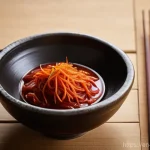
It’s interactive, delicious, and incredibly satisfying. And of course, you absolutely can’t skip Kimchi! It’s not just a side; it’s the soul of Korean cuisine, offering that signature tangy, spicy, and deeply fermented flavor that complements almost everything.
For finding authentic experiences, my top tip is to look for places frequented by Korean families or students. That’s usually a good sign! Don’t be afraid to try smaller, local eateries, even if the menu isn’t entirely in English.
Often, those are the spots with the most authentic flavors and the best prices. I’ve found some of my favorite hidden gems this way! Also, checking out online reviews from local food communities can be incredibly helpful.
And if you’re feeling adventurous, exploring a Korean grocery store to pick up some staple ingredients like gochujang, gochukaru, and sesame oil can open up a whole new world of home cooking.
You might be surprised how easy it is to whip up some simple banchan or a quick bibimbap at home, bringing those amazing Korean flavors right into your own kitchen!