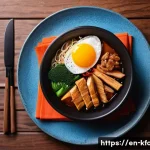
You know that feeling, right? That insatiable craving after binge-watching a K-drama, when suddenly, your usual takeout just won’t cut it. You’re dreaming of vibrant banchan, sizzling Korean BBQ, or a comforting bowl of spicy jjigae that truly tastes like it came straight from a bustling Seoul alleyway.
But let’s be honest, with so many amazing options, finding those authentic, soul-satisfying local gems across Korea can feel like a culinary treasure hunt, especially if you’re relying on a quick Google search that often points you to the same few tourist hotspots.
Trust me, I’ve spent countless hours navigating backstreets and following local tips, and what I’ve discovered is that the real magic of Korean food lies far beyond the well-trodden paths, in regional specialties that will absolutely blow your mind.
You see, while Seoul certainly has its charms, each province, from the coastal delights of Busan to the hearty flavors of Jeolla-do, boasts its own unique culinary identity, waiting to be explored.
Forget generic recommendations; what you need are insider tips to truly eat like a local. So, if you’re ready to embark on an unforgettable gastronomic journey and discover where to savor the absolute best regional Korean dishes, let’s dive right in and uncover those delicious secrets!
You know that feeling, right? That insatiable craving after binge-watching a K-drama, when suddenly, your usual takeout just won’t cut it. You’re dreaming of vibrant banchan, sizzling Korean BBQ, or a comforting bowl of spicy jjigae that truly tastes like it came straight from a bustling Seoul alleyway.
But let’s be honest, with so many amazing options, finding those authentic, soul-satisfying local gems across Korea can feel like a culinary treasure hunt, especially if you’re relying on a quick Google search that often points you to the same few tourist hotspots.
Trust me, I’ve spent countless hours navigating backstreets and following local tips, and what I’ve discovered is that the real magic of Korean food lies far beyond the well-trodden paths, in regional specialties that will absolutely blow your mind.
You see, while Seoul certainly has its charms, each province, from the coastal delights of Busan to the hearty flavors of Jeolla-do, boasts its own unique culinary identity, waiting to be explored.
Forget generic recommendations; what you need are insider tips to truly eat like a local. So, if you’re ready to embark on an unforgettable gastronomic journey and discover where to savor the absolute best regional Korean dishes, let’s dive right in and uncover those delicious secrets!
Beyond the Grill: Diving Deep into Korea’s Seafood Sanctuaries
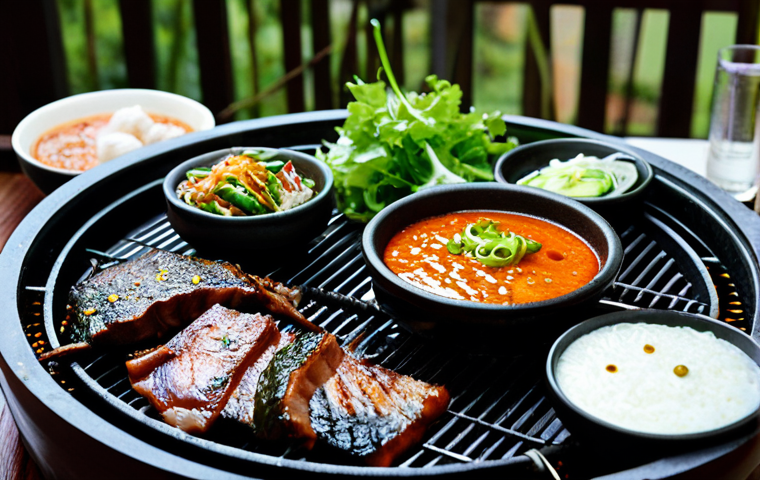
When I first started exploring Korea, like many, I gravitated towards the BBQ joints and urban cafes. Delicious, no doubt, but I quickly realized I was missing out on an entire universe of flavors, especially along the coasts.
There’s something truly special about seafood caught that very morning, prepared with generations of local wisdom. My personal quest for the freshest catch has led me to some incredible spots where the ocean’s bounty takes center stage, and I swear, each bite tells a story of the sea.
It’s not just about eating; it’s about experiencing the raw, unadulterated taste of Korea’s maritime culture. Forget what you think you know about seafood; these regions will redefine your expectations.
The sheer variety, from succulent grilled fish to incredibly rich and savory stews, is astounding. And believe me, the local chefs here are true artists, transforming simple ingredients into culinary masterpieces that you just won’t find anywhere else.
Every visit feels like a discovery, a chance to taste something new and utterly unforgettable, a real testament to Korea’s diverse culinary landscape.
Busan’s Catch of the Day: From Jagalchi to Gukbap
Oh, Busan! The moment you step off the train, you can practically smell the ocean. Jagalchi Fish Market is, of course, iconic, a bustling symphony of sights, sounds, and smells.
While it’s a must-see, the real culinary gems, in my humble opinion, are often tucked away in the smaller, less-advertised eateries nearby, or even a short bus ride away.
I remember one chilly morning, trying *daegu-tang* (codfish soup) at a tiny, unassuming place just a few blocks from the market. The broth was incredibly clear, yet packed with a profound umami flavor, perfectly balancing the flaky white fish and a hint of spice.
It warmed me from the inside out and made me realize that Busan’s seafood isn’t just about grilling; it’s about comfort and tradition. And don’t even get me started on *milmyeon*, Busan’s unique cold wheat noodles, often served with a seafood broth that gives it an unexpected depth.
It’s truly a revelation, especially on a hot summer’s day. Trust me, dedicating a full day to just wandering and eating your way through Busan’s seafood offerings is an investment well worth making; your taste buds will thank you profusely.
Jeolla-do’s Coastal Treasures: Mokpo’s Mudflats and Beyond
Moving further southwest, the Jeolla provinces, particularly the coastal areas around Mokpo, are a whole different ballgame for seafood lovers. This region is legendary for its abundant and diverse marine life, largely due to its extensive mudflats which are teeming with nutrients.
My most memorable experience here involved *nakji tang tang yi*, a dish of live octopus chopped into small pieces and served immediately, still wriggling.
While it might sound adventurous, the freshness and the slightly sweet, chewy texture were unparalleled. It’s definitely a dish that pushes the boundaries for some, but if you’re brave enough, it’s an experience you won’t soon forget!
Another absolute must-try is *hongeohoe*, fermented skate. Now, this one is not for the faint of heart, with its incredibly pungent, ammonia-like aroma.
But when paired correctly with *samgyeopsal* (pork belly) and aged kimchi in a *samhap* (three-harmony) combination, it creates a flavor profile that is surprisingly complex and, dare I say, addictive.
It’s a true testament to the unique culinary daring of the region, showcasing flavors that are deeply rooted in its history and environment.
Comfort in Every Bowl: The Soulful Stews and Soups of Korea
There’s a common misconception that Korean food is all about fiery spice, but let me tell you, it’s also about incredible depth, warmth, and comfort, especially when it comes to their stews and soups.
For me, a steaming bowl of *jjigae* or *guk* is like a culinary hug, a dish that instantly makes you feel at home, even thousands of miles away. I’ve spent countless hours huddled over bubbling pots in bustling eateries, soaking in the aromas and savoring every spoonful.
What truly fascinates me is how each region imbues its soups with a distinct character, reflecting local ingredients and long-held traditions. It’s a testament to the versatility of Korean cooking, where humble ingredients are transformed into something truly extraordinary.
Whether you’re nursing a hangover or simply craving something deeply satisfying on a cold day, Korea’s diverse array of stews and soups offers a remedy for every mood and every palate.
These dishes aren’t just food; they’re an experience, a connection to the heart of Korean home cooking that you absolutely cannot miss.
Spicy Embrace: The Fiery Jjigaes of Jeolla-do
If you’re a fan of a good kick, then Jeolla-do’s *jjigaes* are going to be your new best friends. This region, already famous for its abundant and high-quality produce, takes its stews to another level.
I distinctly remember a trip to Gwangju where I tried *kimchi jjigae* that literally made my eyes water, but in the best way possible! The kimchi was perfectly aged, giving the stew an incredible sour depth, balanced by savory pork and a generous amount of *gochugaru* (chili powder).
It was robust, complex, and utterly unforgettable – far beyond any version I’d tasted elsewhere. Another revelation was *sundubu jjigae*, a soft tofu stew that, in Jeolla-do, often comes with an even more vibrant red broth and a richer seafood base, reflecting the region’s proximity to the sea.
The soft, silky tofu just melts in your mouth, perfectly complementing the intense, spicy broth. It’s the kind of dish that leaves a lingering warmth long after the last spoonful, making you crave it again and again.
These stews aren’t just about heat; they’re about flavor layering that achieves a sublime balance.
Hearty & Healing: Gangwon-do’s Mountainous Broths
Now, if your palate prefers something a little less fiery but equally comforting, head to the mountainous region of Gangwon-do. The food here is often characterized by its simplicity, heartiness, and reliance on fresh mountain ingredients.
One of my absolute favorites is *gamja-ongsimi*, a chewy potato dumpling soup. I stumbled upon a small restaurant in Sokcho during a chilly autumn evening, and this soup was exactly what I needed.
The potato dumplings had an incredible texture, slightly firm yet wonderfully chewy, swimming in a clear, nourishing broth with bits of vegetables. It felt incredibly wholesome and grounded, a reflection of the region’s natural beauty.
Another must-try is *chueotang*, a loach soup that might sound intimidating, but is incredibly nutritious and savory. Prepared with ground loach, vegetables, and often a touch of *gochujang* or *doenjang*, it’s a powerhouse of flavor and health benefits.
The versions I’ve had in Gangwon-do were always deeply flavorful, earthy, and exceptionally comforting, especially after a long hike. It’s a perfect example of how local resources shape a unique and profoundly satisfying culinary identity.
The Art of Fermentation: Unlocking Korea’s Deepest Flavors
Honestly, if you want to truly understand Korean cuisine, you’ve got to appreciate the magic of fermentation. It’s not just a technique here; it’s a way of life, an ancient tradition that transforms simple ingredients into incredibly complex, umami-rich flavors that are the backbone of almost every Korean dish.
Before I really delved into it, I thought kimchi was just… kimchi. Boy, was I wrong! The depth and variety you encounter across different regions, and even within different households, is astounding.
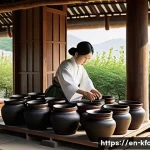
It’s a slow, patient process, but the payoff is immense, yielding flavors that are both intensely savory and surprisingly nuanced. Visiting a traditional *jangdokdae* (earthenware jar terrace) where various *jangs* (fermented pastes) and kimchi are aging is like stepping into a culinary temple.
The aromas alone are enough to tell you that something truly special is happening. This process doesn’t just preserve food; it elevates it, creating a symphony of tastes that truly define the essence of Korean cooking.
Kimchi Chronicles: Regional Variations That Will Surprise You
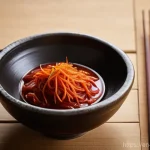
Forget the standard kimchi you find at your local Korean restaurant abroad. In Korea, especially as you venture into different provinces, kimchi takes on a whole new life.
For instance, in the southern regions like Jeolla-do, kimchi tends to be richer, saltier, and often packed with more seafood ingredients like salted shrimp (*saeu-jeot*), giving it an incredible depth of flavor that hits you in waves.
I remember a particularly pungent batch in Gwangju that tasted intensely oceanic and spicy, perfectly complementing a bowl of plain rice. Up north, in colder regions like Gangwon-do, kimchi often features more refreshing flavors, sometimes incorporating ingredients like pollack or even water kimchi (*mul-kimchi*) which is less spicy and incredibly hydrating.
My favorite, though, has to be *baechu-kimchi* from a small, traditional home in a rural area. It had been aged for what felt like ages, developing an almost effervescent tanginess that was absolutely mind-blowing.
Each region’s kimchi tells a story of its climate, resources, and culinary traditions, making every bite a unique historical and cultural journey.
Jang’s Legacy: The Savory Foundation of Korean Cuisine
While kimchi gets all the international fame, the true unsung heroes of Korean cooking are the *jangs*: *doenjang* (fermented soybean paste), *gochujang* (fermented chili paste), and *ganjang* (soy sauce).
These aren’t just condiments; they are the very soul of Korean flavor. My appreciation for *doenjang* grew immensely after visiting a traditional *doenjang* factory (more like a family-run operation) in a quiet village near Sunchang, a region famous for its *gochujang*.
The rich, earthy aroma of fermenting soybeans was intoxicating, and tasting the homemade *doenjang* was a revelation. It was so much deeper, more complex, and less salty than anything I’d ever bought in a store.
This explains why a simple *doenjang jjigae* can be so incredibly satisfying when made with high-quality *jang*. And *gochujang*? Oh, the vibrant, spicy, sweet, and savory punch it delivers!
Sunchang’s *gochujang* is renowned for a reason; it achieves a perfect balance that elevates everything it touches. Understanding and tasting these foundational pastes in their truest, most authentic forms is like discovering the secret language of Korean food.
It’s truly an experience that grounds you in the very essence of the cuisine.
Noodle Adventures: Slurping Your Way Through Regional Delights
If there’s one thing I can’t resist, it’s a good bowl of noodles. And let me tell you, Korea has an incredible, often overlooked, noodle culture that goes far beyond your typical *ramyeon*.
Each region seems to have its own unique take, shaped by local ingredients and culinary history. From icy broths that provide a welcome respite from summer heat to hearty, warming bowls that chase away the winter chill, Korean noodles are a diverse and endlessly fascinating world to explore.
I’ve personally slurped my way through countless noodle shops, from bustling markets to quiet, unassuming eateries, and I’m always amazed by the ingenuity and variety on offer.
It’s not just about the noodles themselves, but the broths, toppings, and the way they come together to create a harmonious and deeply satisfying meal.
For me, a visit to Korea isn’t complete without embarking on a serious noodle quest. It’s a journey of textures, temperatures, and tastes that will absolutely broaden your culinary horizons.
Buckwheat Wonders: Pyeongyang Naengmyeon and Beyond
Ah, *naengmyeon*! For many, it conjures images of delicate, icy buckwheat noodles in a savory broth, often enjoyed in the summer. But the best *naengmyeon*, specifically *Pyeongyang naengmyeon*, is an art form, renowned for its subtle, deep flavors.
While originally from North Korea, its influence is strongly felt in regions near the border and across the country. I remember my first truly authentic *Pyeongyang naengmyeon* experience in a hidden gem of a restaurant in Gyeonggi-do.
The broth was surprisingly clear and light, almost deceptively simple, yet packed with a profound, meaty umami. It was served ice-cold, with thin slices of beef, a boiled egg, and a sliver of pear.
The buckwheat noodles had a satisfying chew, and the overall effect was incredibly refreshing and deeply satisfying. It’s a dish that demands patience and an appreciation for nuanced flavors, truly rewarding those who seek out its subtle charms.
It’s a world away from the sweeter, tangier *hamheung naengmyeon* which also has its own fervent following, particularly for its spicy, vinegary *bibim* (mixed) style.
Seafood Noodles: Jjamppong’s Regional Rivals
While *jjamppong* is a popular spicy seafood noodle soup, especially in Chinese-Korean restaurants, many coastal regions have their own unique, deeply traditional seafood noodle dishes that are absolutely worth seeking out.
Take, for instance, the seafood *kalguksu* (knife-cut noodles) you find in places like Gangneung or around the western coast. These are often made with hand-cut noodles in a rich, briny broth brimming with fresh clams, mussels, and sometimes even octopus.
I once had an unforgettable bowl of *bajirak kalguksu* (clam kalguksu) at a small eatery right by the beach in Gangneung. The broth was so incredibly fresh and clean, bursting with the natural sweetness of the clams, and the chewy, irregular noodles were the perfect vehicle for soaking up all that deliciousness.
It felt like the essence of the ocean in a bowl. These dishes showcase the incredible variety of Korea’s noodle offerings, proving that sometimes, the simplest ingredients, when prepared with care and tradition, can yield the most extraordinary flavors.
| Region/City | Must-Try Dish | Key Characteristics | My Insider Tip |
|---|---|---|---|
| Busan | Daegu-tang (Codfish Soup) | Clear, refreshing, umami-rich broth; flaky white fish. | Seek out smaller, family-run eateries away from the main market for the purest flavors. |
| Jeolla-do (Gwangju/Mokpo) | Kimchi Jjigae / Nakji Tang Tang Yi | Deeply aged, robust kimchi; or adventurous fresh live octopus. | Be brave and try the local-style kimchi jjigae; it’s a revelation! |
| Gangwon-do (Sokcho/Gangneung) | Gamja-ongsimi (Potato Dumpling Soup) | Hearty, chewy potato dumplings in a nourishing, clear broth. | Perfect comfort food after exploring the scenic mountain or coastal areas. |
| Jeju Island | Heukdwaeji (Black Pork) | Incredibly tender, flavorful pork with a distinct chew. | Go for a restaurant that specializes in grilled black pork – the char adds so much! |
Sweet & Savory Surprises: Unexpected Bites from Local Markets
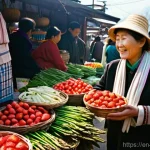
Beyond the big meals, Korea’s regional markets are an absolute treasure trove of unexpected delights. It’s where you truly get a feel for the local pulse, the everyday flavors that people crave.
I’ve spent countless afternoons just wandering through these vibrant hubs, letting my nose and curiosity lead the way. You’ll find everything from unique regional snacks to surprisingly sophisticated small bites that perfectly capture the essence of a place.
It’s a fantastic way to sample a wide array of flavors without committing to a full sit-down meal, and often, it’s where you discover the most authentic, no-frills culinary experiences.
Don’t be afraid to try something you don’t recognize; that’s where the real adventure begins! Every stall tells a story, every vendor has a specialty honed over decades.
These aren’t just snacks; they’re edible postcards from Korea’s diverse culinary landscape, offering a delightful glimpse into the heart of local life.
Jeju’s Unique Flavors: Black Pork and Tangerine Treats
Jeju Island, with its volcanic landscape and unique ecosystem, boasts a culinary identity all its own. The undisputed king here is *Heukdwaeji*, or black pork.
Seriously, if you go to Jeju and don’t try the black pork, you’ve missed out big time! I remember my first time biting into a thick slice of grilled Jeju black pork; the meat was incredibly tender yet had a satisfying chew, and the flavor was so much deeper and richer than regular pork.
There’s a slight sweetness and a distinct aroma that sets it apart. Often served with fresh greens and a special *jeotgal* (salted fermented seafood) dipping sauce, it’s an experience that’s both rustic and refined.
Beyond the savory, Jeju is also famous for its abundant tangerines and mandarins. You’ll find them in everything from fresh juices to delicious *hallabong* (a type of tangerine) ice cream and traditional *omija-cha* (magnolia berry tea) flavored with citrus.
My personal favorite is the *hallabong* *cheong* (preserved citrus syrup) which makes for a wonderfully refreshing drink. These unique treats perfectly capture the island’s natural bounty.
Street Food Sensations: Discovering Hidden Market Gems
While Seoul has its famous street food alleys, venturing into regional markets reveals a whole new level of culinary creativity. Each market seems to have its own specialty that you won’t find anywhere else.
For example, in Gyeongju, I stumbled upon *ssanghwacha*, a traditional herbal tea, served with a surprisingly delicious *tteok* (rice cake) and nuts. It was a comforting, slightly bitter brew that felt incredibly fortifying.
Or consider the vibrant night markets in cities like Jeonju or Daegu, where vendors whip up imaginative dishes that blend tradition with modern twists.
I once had a ridiculously good *tteokbokki* (spicy rice cakes) that was served with a special regional *jjajang* (black bean) sauce, making it uniquely savory and addictive.
It’s these unexpected discoveries, the little bites that surprise and delight, that make exploring Korea’s regional markets so incredibly rewarding. Don’t just stick to the main attractions; wander, sniff, and let your taste buds guide you to these hidden culinary treasures.
You never know what deliciousness awaits around the next corner!
Royal Roots to Rural Riches: Exploring Korea’s Culinary Heritage
Korean food isn’t just about what’s fresh or what’s spicy; it’s deeply intertwined with history, culture, and social status. From the elaborate multi-course meals once served to kings and queens to the humble, hearty dishes born from necessity in rural villages, the culinary landscape tells a fascinating story.
My journey through Korea has often felt like stepping back in time, discovering how centuries-old traditions continue to influence what we eat today. It’s a reminder that food is more than just sustenance; it’s a living archive of a nation’s past.
The meticulous preparation, the balance of flavors, and the philosophy behind each dish often reflect ancient wisdom and an enduring respect for ingredients.
Exploring these historical culinary threads adds an entirely new dimension to the dining experience, making each meal a lesson in Korean heritage.
Gyeongju’s Ancient Flavors: Silla’s Lasting Culinary Legacy
Gyeongju, the ancient capital of the Silla Kingdom, is like an open-air museum, and its food scene often reflects its rich history. While you might not be eating exactly what Silla royalty ate, the traditional flavors and respect for natural ingredients certainly linger.
One dish that truly captivated me was *ssambap*, a meal centered around rice, various savory side dishes, and an array of fresh greens used for wrapping.
The *ssam* (wrap) experience in Gyeongju felt particularly authentic, with an emphasis on locally sourced, seasonal vegetables and homemade *ssamjang* (a dipping sauce).
I remember visiting a traditional *hanok* (Korean traditional house) restaurant where the *ssambap* spread was simply breathtaking – dozens of *banchan*, each a small masterpiece of flavor and texture.
It was a feast not just for the stomach, but for the eyes, and a true testament to the abundance and refined tastes of the region’s historical culinary traditions.
It’s a meal that encourages slow enjoyment, savoring each unique combination of flavors.
Andong’s Traditional Table: Jjimdak and Salted Mackerel
Andong, a city steeped in Confucian traditions, offers a culinary experience that is both hearty and deeply rooted in its heritage. The most famous dish here, *Andong jjimdak*, is an absolute must-try.
It’s a spicy, savory braised chicken dish with vegetables and glass noodles, and trust me, it’s incredibly addictive. I’ve had many versions of *jjimdak* across Korea, but the ones in Andong just hit different – a perfect balance of sweet, spicy, and savory that keeps you digging for more.
There’s something about the way the sauce coats every piece of chicken and noodle that makes it utterly irresistible. Another unique Andong specialty is *gan godeungeo*, salted mackerel.
This might sound simple, but its preparation is a testament to traditional preservation methods. The mackerel is lightly salted and air-dried, which enhances its flavor and texture.
When grilled, it’s wonderfully flaky and savory, often served with plain rice and simple *banchan*. It’s a staple for locals and a delicious insight into the resourceful and delicious methods of traditional Korean cuisine.
These dishes truly encapsulate the enduring flavors and culinary ingenuity of this historic region.
Wrapping Things Up
So, there you have it, folks! My deep dive into the incredible, often-overlooked world of regional Korean cuisine. What started as a simple craving after a K-drama binge truly transformed into a passionate journey of discovery, and I genuinely hope my experiences inspire you to embark on your own culinary adventure across this magnificent country.
Stepping off the beaten path, trusting local recommendations, and being open to new flavors will absolutely redefine your understanding of Korean food.
It’s more than just a meal; it’s a vibrant tapestry woven with history, culture, and the heartfelt warmth of its people. So, go ahead, get out there, and taste the real Korea – your taste buds will thank you, and you’ll collect memories that will last a lifetime.
Trust me, it’s an experience you absolutely won’t regret!
Useful Information to Know
1. Embrace Local Language Tools: While many in tourist-heavy areas speak some English, venture into truly local eateries and a translation app like Papago or Google Translate will be your best friend. Don’t be shy; locals often appreciate the effort to communicate and understand their food culture.
2. Navigating Public Transport is Key: Korea’s train (KTX) and bus networks are incredibly efficient. To reach those hidden culinary gems outside of major cities, mastering the public transport system is essential. T-Money or Cashbee cards make payments seamless, and apps like Naver Maps or KakaoMap are invaluable for directions.
3. Follow the Locals, Not Just the Tourist Guides:
My absolute best food discoveries have come from asking hotel staff, guesthouse owners, or even friendly shopkeepers for their personal favorite spots. These aren’t usually the places listed in top-10 guides, but they’re where the real, authentic flavors reside.
4. Be Prepared for Cash-Only: Smaller, more traditional restaurants, especially in rural areas or bustling market stalls, might prefer or even require cash payments. Always have some Korean Won (KRW) on hand, just in case, to avoid any awkward situations.
5. Seasonal Delights Are Real: Korean cuisine heavily emphasizes seasonal ingredients. What’s fresh and popular in spring might be entirely different in winter. Don’t be afraid to ask about seasonal specials – they often represent the freshest and most authentic flavors available at that time.
Key Takeaways
To wrap things up, remember that Korea’s culinary heart beats strongest in its diverse regions. Don’t limit yourself to just the capital; each province offers a unique and unforgettable taste experience, from the freshest seafood to the most comforting stews and the deeply flavorful fermented dishes.
Be adventurous, trust the local recommendations, and let your palate guide you on an incredible journey through a rich tapestry of flavors. This isn’t just about eating; it’s about connecting with a culture through its most delicious traditions.
Frequently Asked Questions (FAQ) 📖
Q: How can I truly find those off-the-beaten-path, authentic Korean local eateries that aren’t plastered all over tourist guides?
A: Oh, this is the million-dollar question, isn’t it? And trust me, I get it. It’s so frustrating when you’re craving something genuinely local, but every search points you to the same three places.
My secret weapon? Local recommendations and pure, unadulterated exploration. Seriously.
Forget Google Maps for a second, or at least use it as a starting point. Instead, try striking up conversations with locals – a friendly shopkeeper, your guesthouse owner, or even that sweet ajumma sitting next to you on the bus.
Often, they’ll point you to tiny, unassuming spots that have been serving incredible food for decades, places that don’t even have an English menu, let alone a flashy website.
Another fantastic approach I swear by is hitting up the traditional markets (시장, sijang). These aren’t just for groceries; they’re culinary goldmines!
Walk through them, let your nose guide you, and look for the stalls with the longest lines, especially during lunch or dinner time. If the locals are queuing up, you know it’s going to be good.
I’ve stumbled upon some of the most mind-blowing tteokbokki and gukbap in markets that a travel guide would never even mention. It’s all about embracing the adventure and being open to eating where the locals eat – that’s where the real flavors are hiding, trust me!
Q: What are some must-try regional Korean dishes that will truly make me feel like I’m eating like a local, far beyond the standard BBQ and bibimbap?
A: Alright, this is where the magic really happens! While I absolutely adore a good Korean BBQ, the true depth of Korean cuisine lies in its regional specialties.
Let me tell you, I still dream about some of these flavors! If you’re heading south to Busan, you absolutely have to try Dwaeji Gukbap (돼지국밥). It’s a rich, hearty pork soup with rice that’s just incredibly comforting, especially on a chilly day.
I remember my first bowl – it was so savory and warming, unlike anything I’d ever tasted. For something lighter but equally iconic, try Milmyeon (밀면), Busan’s chilled wheat noodle dish, perfect for those warmer days.
Then there’s Jeolla-do Province, often considered the culinary heartland of Korea. Their food is known for its deep, complex flavors and generous portions.
Here, you’ll find some of the most authentic Jeonju Bibimbap (전주비빔밥), but also keep an eye out for dishes like Hanchi Jjigae (한치찌개), a spicy squid stew that packs a serious punch.
I once had a kimchi jjigae there that had been simmering all day – it was a flavor explosion! And if you ever find yourself on Jeju Island, you absolutely cannot leave without trying Heuk Dwaeji (흑돼지), their famous black pork BBQ.
It’s fattier and more flavorful than regular pork, and when grilled over charcoal… oh my goodness, it’s an experience you won’t forget. I practically rolled myself off the island after discovering how good it was!
Each region has its own delicious secrets, and these are just a few to get you started on your epic food adventure.
Q: I’m worried about the language barrier when ordering at these smaller, local spots. Do you have any tips for navigating menus and communicating what I want?
A: Oh, the language barrier! It’s definitely a common concern, and I’ve had my fair share of hilarious (and sometimes slightly panicked) ordering experiences.
But honestly, don’t let it deter you – it’s all part of the adventure, and usually leads to some fantastic stories! My absolute top tip is to learn a few key phrases – even just “Excuse me,” “Please give me this,” and “Thank you” in Korean goes a long way.
Beyond that, Google Translate is your best friend. Seriously, download the app and use its camera feature to scan menus. It’s not always perfect, but it gives you a good enough idea to make an informed choice.
I’ve personally navigated countless menus this way, and while there might be a few creative translations, I always get by! Another great trick is pointing.
If you see something delicious on another diner’s table, don’t be shy! Just point to it and make eye contact with the server. A smile and a nod are universal.
Many smaller places might also have pictures of their signature dishes, so look for those. I remember once just pointing to a bubbling pot on the next table, and it turned out to be the most incredible sundubu jjigae I’d ever had.
Sometimes, a little bit of improvisation and a willingness to embrace the unknown can lead to the best culinary discoveries! Don’t overthink it; just dive in and enjoy the experience.
📚 References
Wikipedia Encyclopedia
구글 검색 결과
구글 검색 결과
구글 검색 결과
구글 검색 결과
구글 검색 결과