Are you tired of the same old weeknight dinners, yearning for something vibrantly flavorful and authentically exciting without the hours of prep and a sink full of dishes?
For so long, recreating complex, aromatic Korean dishes at home felt like attempting a culinary Everest, requiring obscure ingredients and specialized techniques.
But let me tell you, from my own kitchen adventures, the landscape of home cooking has been utterly transformed. Korean meal kits have absolutely exploded onto the scene, not just as a fleeting trend but as a genuine game-changer in how we approach global cuisine at home.
I’ve personally found them to be an absolute godsend, delivering that comforting, spicy, umami-packed taste I crave right to my doorstep, allowing me to whip up professional-quality meals in minutes.
It’s truly fascinating to witness how the market has evolved, with companies leveraging advanced logistics and even AI to predict demand and personalize options, making gourmet Korean cooking accessible to absolutely everyone, regardless of their culinary skill level.
This isn’t just about convenience; it’s about confidently experimenting with new flavors and embracing a global palate, even if you’ve never touched a jar of gochujang before.
The future of home dining undoubtedly includes these streamlined, delicious options, perfectly bridging the gap between our busy lives and our adventurous appetites.
Let’s dive deeper and uncover exactly what makes them so appealing!
Unpacking the Unprecedented Rise of Korean Meal Kits
The journey to truly authentic Korean flavors at home, for so long, felt like an exclusive club, reserved for those with access to specialty markets or years of culinary training.
I remember countless times poring over intricate recipes, feeling overwhelmed by the sheer number of unique ingredients and the seemingly complex techniques.
But then, almost overnight it seemed, Korean meal kits burst onto the scene, fundamentally reshaping this narrative. It wasn’t just a gradual shift; it felt like an explosion, fueled by a perfect storm of factors: our collective increasing desire for global cuisines, the rising demand for convenience in our bustling lives, and the innovative spirit of food entrepreneurs.
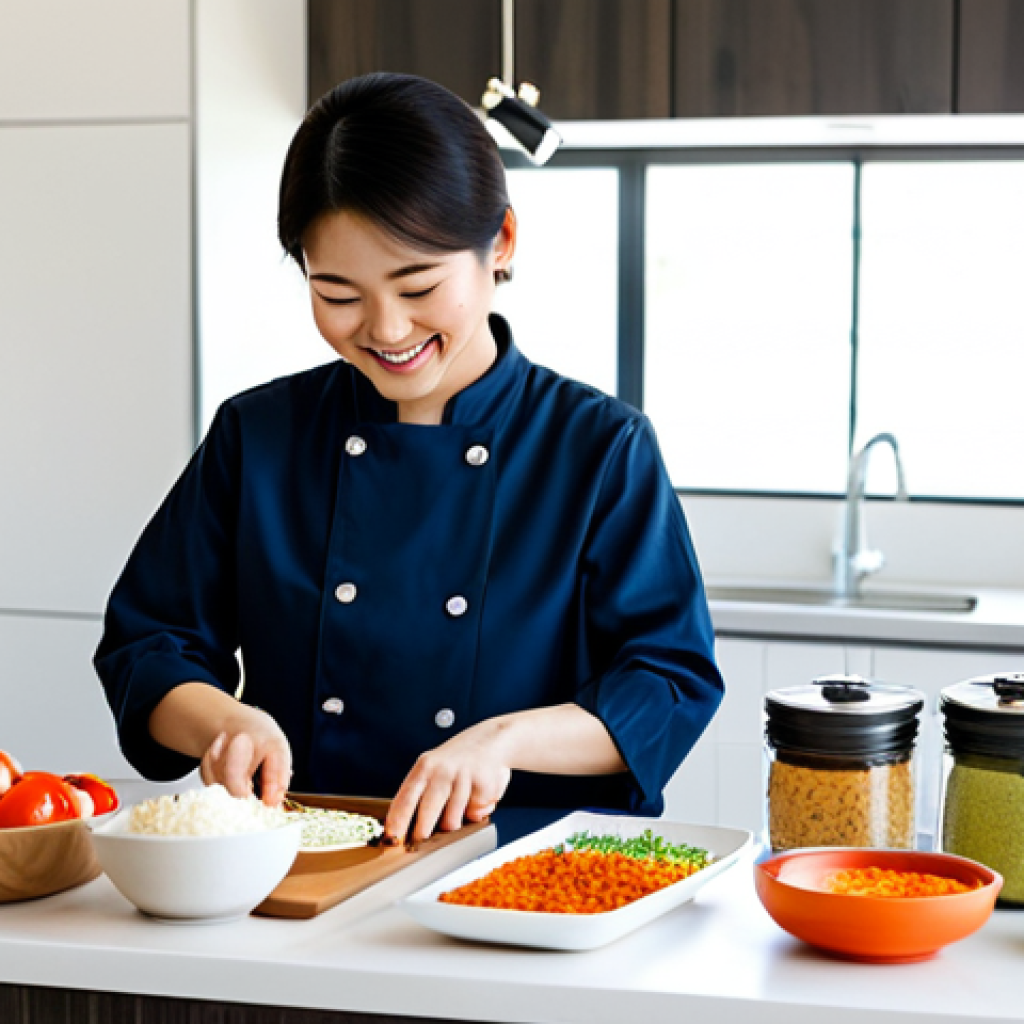
What truly struck me, as someone who loves to cook but often lacks the time, was how effortlessly these kits delivered that restaurant-quality experience straight to my kitchen.
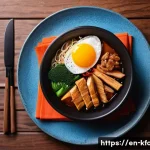
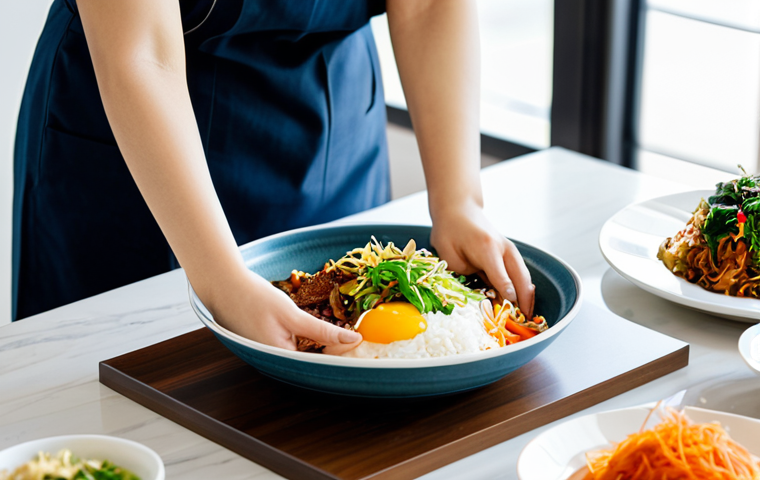
They’ve democratized access to dishes like a perfectly balanced Bibimbap or a fiery Kimchi Jjigae, making them approachable for even the most hesitant home cooks.
This isn’t just about reducing prep time; it’s about building confidence in the kitchen and breaking down the perceived barriers to authentic international cooking.
1. The Evolution from Niche to Mainstream Staple
It’s fascinating to trace the path of Korean meal kits from a niche offering to a widespread phenomenon. Just a few years ago, if you wanted Korean food, your options were limited to dining out at a local restaurant or embarking on a full-scale grocery expedition, often requiring multiple stops at different specialty stores.
I used to spend hours just gathering ingredients for a simple Korean BBQ night! Now, thanks to the foresight of companies recognizing this gap, and advancements in supply chain logistics, these kits are as common as pasta or taco kits in many mainstream grocery stores and online delivery platforms.
This shift reflects a broader consumer trend: a thirst for adventure in our dining, but without the associated fuss or intimidation. The packaging itself has become incredibly sophisticated, preserving freshness and guiding you step-by-step, transforming what once felt like a daunting task into an enjoyable culinary project.
It’s no longer about just convenience; it’s about discovery and empowerment in your own kitchen.
2. The Pandemic’s Unexpected Catalyst for Home Cooking
While the seeds of the meal kit trend were sown long before, the global pandemic undeniably acted as an accelerant, pushing home cooking into the spotlight like never before.
With restaurants closed or operating at limited capacity, and a widespread desire to minimize grocery store trips, people were suddenly looking for new, engaging ways to prepare meals at home.
This period truly illuminated the value proposition of meal kits: they offered a safe, convenient, and exciting way to break the monotony of repetitive home-cooked meals.
I personally relied heavily on them during that time, finding comfort and joy in creating delicious, restaurant-style Korean dishes without having to venture out.
The surge in demand during this period pushed companies to innovate even further, refining their offerings, expanding their menus, and improving their delivery networks, solidifying their position as an indispensable part of our modern culinary landscape.
The Irresistible Allure: Why These Kits Are a Home Cook’s Dream
There’s a unique satisfaction that comes from creating a delicious meal from scratch, but let’s be honest, life often gets in the way. This is precisely where Korean meal kits shine, offering an almost magical balance of convenience and culinary triumph.
For me, the biggest draw has always been the promise of authentic flavor without the fuss. I can still recall the joy of my first truly successful Kimchi-jjigae made from a kit – the depth of flavor, the perfect spice level, and the comforting warmth that permeated my entire kitchen.
It felt like I had spent hours simmering broth and finely chopping ingredients, when in reality, it was ready in under thirty minutes. This isn’t just about saving time; it’s about reducing decision fatigue, minimizing food waste, and opening up a world of flavors that might otherwise seem out of reach.
These kits empower us to explore complex cuisines, ensuring that delicious, healthful meals are always within our grasp, even on the busiest of weeknights.
1. Mastering Authenticity with Unrivaled Convenience
The core appeal of Korean meal kits boils down to their ability to deliver genuine Korean flavors with incredible ease. Before these kits, achieving that signature balance of sweet, spicy, savory, and umami in dishes like Bulgogi or Tteokbokki often required sourcing specific brands of gochujang, gochugaru, or various fermented soybean pastes – ingredients that aren’t always readily available in standard supermarkets.
My own pantry used to be a graveyard of half-used specialty sauces! Meal kits eliminate this hurdle entirely by providing pre-portioned, high-quality, and often imported ingredients directly to your door.
This precision ensures that the flavors are spot-on, just as they would be in a Korean home kitchen or restaurant. The convenience isn’t just in the pre-measured ingredients; it extends to the perfectly crafted recipes that guide you through each step, making even seemingly complex dishes like Japchae feel intuitive and rewarding.
It truly democratizes authentic cooking.
2. Eliminating Food Waste and Culinary Overwhelm
One of the most underappreciated benefits of using meal kits, from my personal experience, is how effectively they combat food waste. How many times have you bought a large container of a specialty ingredient, only to use a fraction of it for one recipe and then watch the rest slowly expire in the back of your fridge?
I know I’ve been guilty of it more times than I care to admit, especially with less common spices or sauces. Korean meal kits are designed with precise portioning, providing exactly what you need for each meal.
This not only saves money in the long run by preventing spoilage but also significantly reduces the mental burden of meal planning and grocery shopping.
It means no more standing in the supermarket aisle, trying to figure out if you really need a whole bunch of perilla leaves or if that jar of doenjang will ever get used again.
It simplifies the entire process, allowing you to focus purely on the joy of cooking and eating.
Navigating the Market: What to Look For in a Top-Tier Kit
With the explosion of Korean meal kit options, navigating the market can feel a bit like sifting through a treasure trove – exciting, but also potentially overwhelming.
From my personal journey trying various brands, I’ve learned that not all kits are created equal, and discerning the truly exceptional from the merely adequate requires a keen eye for detail.
Beyond just the appealing photos, a truly great Korean meal kit delivers on several crucial fronts: the quality and authenticity of its ingredients, the clarity and user-friendliness of its instructions, and its ability to cater to diverse dietary needs.
I’ve been burned by kits with vague instructions or lackluster ingredients, so I’ve developed a checklist to ensure every culinary adventure is a resounding success.
It’s about more than just getting food on the table; it’s about ensuring a consistently delightful and authentic experience.
1. The Pillars of Quality: Ingredients and Authenticity
For me, the absolute cornerstone of an excellent Korean meal kit lies in the quality and authenticity of its ingredients. This is non-negotiable. I look for kits that clearly state where their key ingredients are sourced, especially for foundational items like kimchi, gochujang, or specific cuts of meat.
A truly authentic kit will often include ingredients directly imported from Korea or produced using traditional Korean methods. For example, when making Kimchi Jjigae, the quality of the kimchi itself is paramount – it needs to be properly fermented to deliver that deep, complex flavor profile.
I’ve noticed a significant difference between kits that use generic pastes versus those that provide high-quality, vibrant gochujang. Furthermore, fresh, vibrant vegetables and well-portioned, high-grade meats or plant-based alternatives elevate the entire dish from simply “good” to “exceptionally delicious.” Always read the ingredient list carefully and look for signs of a commitment to genuine Korean culinary standards.
2. Recipe Clarity, Dietary Considerations, and Packaging Innovation
Beyond the ingredients, the practical aspects of a meal kit – its instructions, dietary options, and packaging – profoundly impact the user experience.
A great kit will feature instructions that are not only clear and concise but also engaging, perhaps with photos or helpful tips for home cooks. I appreciate when they include details on how to adjust spice levels or offer serving suggestions.
Moreover, in today’s diverse culinary landscape, the availability of vegetarian, vegan, gluten-free, or allergy-conscious options is increasingly important.
Many reputable Korean meal kit providers have expanded their offerings to cater to these specific needs, which is a huge plus for households with varied dietary preferences.
Lastly, innovative and sustainable packaging is a strong indicator of a company’s commitment to quality and consumer satisfaction. I’ve seen kits with ingenious temperature control, minimal plastic, and easy-to-recycle materials, which not only preserve the ingredients but also align with modern eco-conscious values.
| Feature | What to Look For | Why It Matters |
|---|---|---|
| Ingredient Sourcing | Clearly stated origins, particularly for authentic Korean pastes/sauces (e.g., “Gochujang imported from S. Korea”). Organic or locally sourced vegetables. | Ensures genuine flavor profile and high quality. Directly impacts the taste and healthfulness of the final dish. |
| Recipe Clarity & Detail | Step-by-step instructions with images, cooking tips, and estimated prep/cook times. | Reduces cooking anxiety, ensures success for all skill levels, and enhances the overall cooking enjoyment. |
| Dietary Options | Availability of vegetarian, vegan, gluten-free, or allergen-friendly variations. | Caters to diverse needs, making the kits accessible to a wider audience and households with mixed diets. |
| Packaging & Sustainability | Minimal plastic, recyclable materials, effective temperature control. | Preserves freshness, reduces environmental impact, and reflects a modern, responsible brand. |
| Portion Sizing | Accurate portioning for single servings, couples, or families. | Minimizes food waste and ensures adequate meal size for your household. |
Beyond the Box: Elevating Your Korean Meal Kit Experience
While Korean meal kits are designed for effortless cooking, there’s always room to personalize and elevate the experience, turning a convenient meal into a truly memorable culinary event.
From my own kitchen experiments, I’ve found that a few simple tweaks can transform a standard kit into something truly spectacular, allowing you to flex your creative muscles without sacrificing the convenience the kit offers.
It’s about embracing the kit as a foundation, a launching pad for your own culinary expression, rather than a rigid set of rules. This approach not only enhances the flavor but also makes the cooking process more engaging and personal, allowing you to truly feel like a master of Korean cuisine, even if you’re just starting out.
1. Simple Additions for Enhanced Flavor and Texture
One of my favorite ways to take a Korean meal kit from good to great is by incorporating a few fresh, supplementary ingredients. These additions don’t require complex cooking or extensive shopping; they’re often things you might already have on hand or can easily pick up.
For instance, a sprinkle of toasted sesame seeds and thinly sliced green onions as a garnish can add a beautiful aroma and visual appeal to almost any Korean dish, from Bibimbap to Kimchi Fried Rice.
For dishes like Bulgogi, I sometimes add extra sliced mushrooms or a handful of spinach at the very end to boost the vegetable content and add layers of texture.
If I’m making a spicy stew, a raw egg cracked directly into the bubbling pot during the last few minutes of cooking creates a luscious, creamy richness that perfectly balances the heat.
These small, thoughtful additions demonstrate that even with a meal kit, you have the power to customize and refine your dish to your exact preferences, making it uniquely yours.
2. The Art of Presentation and Pairing
Presentation might seem like an extra step, but it plays a significant role in the overall dining experience. A beautifully plated meal tastes better, plain and simple.
For Korean dishes, this often means serving rice in a separate bowl, arranging the main dish appealingly, and adding garnishes. For example, if you’re making Bibimbap from a kit, take the extra minute to artfully arrange the colorful vegetables and meat over the rice before adding the gochujang sauce.
It makes a huge difference! Beyond presentation, consider simple pairings. A chilled glass of barley tea or a refreshing sparkling water with a hint of lemon can complement the rich, savory, or spicy flavors of a Korean meal perfectly.
If you’re feeling adventurous, a crisp, light beer or even a soju cocktail can elevate the experience further. These subtle touches transform dinner from just “eating” into a complete sensory experience, making every bite more enjoyable and memorable.
The Economic Edge: Value and Sustainability in Korean Meal Kits
In an era where every dollar counts and environmental consciousness is at an all-time high, the financial and ecological benefits of Korean meal kits are more relevant than ever.
When I first considered them, I admit, I sometimes balked at the per-meal price, wondering if it was truly cost-effective compared to buying all the ingredients separately.
However, through personal experience and careful calculation, I’ve come to realize that their value extends far beyond the sticker price. They offer significant savings in terms of time, reduced food waste, and avoiding impulse buys at the grocery store.
Moreover, many companies are now deeply committed to sustainable practices, aligning with a growing consumer demand for environmentally responsible choices.
This makes them not just a convenient option but also a surprisingly intelligent one for both your wallet and the planet.
1. Cost-Effectiveness Beyond the Obvious Price Tag
At first glance, a meal kit might seem pricier than buying individual components from the supermarket. However, this perspective often overlooks several hidden costs.
Think about it: when you buy a large bag of rice, a whole bottle of soy sauce, or a package of fresh herbs, you rarely use all of it for a single meal.
Much of it often goes to waste, sitting in your pantry or fridge until it expires. I’ve personally wasted so much money on specialty ingredients for just one dish that I never got around to using again!
Meal kits eliminate this entirely by providing precisely portioned ingredients, meaning you only pay for what you actually consume. This significantly reduces food waste and, consequently, your grocery bill in the long run.
Furthermore, consider the time saved from meal planning, grocery shopping, and ingredient preparation – time which, for many of us, is a valuable commodity.
When you factor in convenience, reduced waste, and the quality of the ingredients, the cost-per-meal often becomes incredibly competitive, sometimes even cheaper than a comparable restaurant takeout meal.
2. Embracing Environmental Responsibility and Sustainable Practices
Beyond the financial benefits, the sustainability aspect of Korean meal kits has become increasingly important to me. Many leading meal kit companies are actively working towards minimizing their environmental footprint.
This includes efforts like sourcing ingredients from local, sustainable farms, thereby reducing transportation emissions. They also focus on optimizing packaging to be as eco-friendly as possible, using recyclable materials, compostable liners, and minimizing excess plastic.
I’ve noticed a significant shift in recent years, with brands proudly highlighting their green initiatives and commitment to reducing waste throughout their supply chain.
The inherent portion control of meal kits also plays a crucial role in reducing household food waste, a major contributor to landfills. By choosing a reputable Korean meal kit provider, you’re not just investing in delicious, convenient meals; you’re often supporting companies that are striving to create a more sustainable food system, which truly makes a difference.
Embracing Culinary Adventure: Expanding Your Palate with Ease
One of the most thrilling aspects of the Korean meal kit phenomenon, for me, has been the effortless way it encourages culinary exploration. For years, I stuck to a relatively safe rotation of dishes, hesitant to venture into more exotic territories due to a lack of familiarity with ingredients or fear of getting it “wrong.” Korean meal kits have completely shattered that barrier, transforming what once felt like a daunting culinary challenge into an exciting and accessible adventure.
They’ve introduced me to flavors and textures I might never have discovered otherwise, steadily broadening my palate and deepening my appreciation for global cuisine.
This isn’t just about cooking; it’s about cultural immersion, one delicious bite at a time, right from the comfort of my own home.
1. Discovering Beyond Kimchi and Bulgogi
When most people think of Korean food, the first things that come to mind are often kimchi and bulgogi – and for good reason, they’re iconic and delicious!
However, Korean cuisine is incredibly vast and diverse, featuring an incredible array of stews, noodles, pancakes, and vegetable dishes. Before meal kits, exploring these lesser-known dishes required significant research and a trip to an Asian grocery store.
Now, with meal kits, I’ve had the pleasure of effortlessly preparing dishes like savory Jeon (Korean pancakes), spicy Tteokbokki, or even comforting Sundubu Jjigae (soft tofu stew).
Each kit comes with perfectly balanced ingredients and clear instructions, allowing you to confidently tackle dishes that might have seemed intimidating before.
It’s like having a personal Korean chef guiding you through new culinary landscapes, expanding your repertoire far beyond the well-trodden paths and introducing you to new favorites you never knew you needed.
2. Building Confidence for Future Culinary Explorations
Beyond the immediate satisfaction of a delicious meal, using Korean meal kits has a wonderful ripple effect: it significantly boosts your confidence in the kitchen.
As I successfully prepared more and more complex Korean dishes with the help of these kits, my apprehension about cooking other international cuisines began to fade.
I started recognizing common techniques, understanding flavor profiles, and feeling more comfortable experimenting with new ingredients. The structured yet flexible nature of meal kits provides a low-risk environment to learn and grow as a cook.
They act as a fantastic training ground, building foundational skills and knowledge that you can then apply to independent cooking, whether it’s trying a new Korean recipe from scratch or venturing into entirely different culinary traditions.
It’s a remarkable journey of empowerment, turning hesitant home cooks into confident culinary explorers ready to tackle any global dish.
A Glimpse into Tomorrow: The Evolving Landscape of Global Home Cooking
The current state of Korean meal kits, while already incredibly impressive, is merely a stepping stone in the larger evolution of how we experience global cuisine at home.
I’ve been keenly observing the trends, and it’s clear that the future promises even more personalized, technologically integrated, and environmentally conscious options.
The innovation doesn’t stand still; it’s a dynamic, ever-improving landscape driven by consumer demand for both unparalleled convenience and authentic culinary experiences.
It truly excites me to imagine how these services will continue to adapt and expand, making the world’s diverse flavors even more accessible and integral to our daily lives.
This isn’t just a fleeting trend; it’s a fundamental shift in how we interact with food, bridging cultural gaps and bringing the richness of global kitchens directly to our tables.
1. Hyper-Personalization and AI-Driven Culinary Experiences
Looking ahead, I anticipate a significant leap towards hyper-personalization in meal kits, driven by advancements in artificial intelligence and data analytics.
Imagine a Korean meal kit service that not only knows your dietary restrictions but also your preferred spice level, your favorite ingredients, and even dishes you’ve expressed interest in on social media.
Companies are already leveraging AI to predict demand and optimize logistics, but the next frontier will be truly tailored culinary experiences. This could mean kits that automatically suggest variations based on your past preferences, offer wine or beverage pairings, or even recommend specific cooking techniques to enhance the flavor based on your equipment.
My hope is for systems that learn from my cooking habits, suggesting increasingly adventurous yet always delicious Korean dishes perfectly suited to my evolving palate.
It’s a future where every meal feels custom-curated, effortlessly hitting all the right notes for you.
2. Sustainability, Local Sourcing, and Culinary Education Integration
The future of Korean meal kits will undoubtedly intertwine even more deeply with sustainability and local sourcing initiatives. As consumers become more environmentally aware, meal kit companies will likely continue to innovate in packaging, delivery methods, and ingredient procurement.
I envision a future where it’s even easier to trace the origin of every ingredient, perhaps with QR codes on packaging linking directly to the farms. There’s also immense potential for these kits to integrate more robust culinary education.
Imagine video tutorials embedded right into the digital instructions, offering advanced techniques or cultural context for each dish. Some kits are already doing this, but I expect it to become standard, empowering home cooks not just to follow a recipe but to truly understand the cuisine.
This holistic approach, combining convenience, authenticity, sustainability, and education, will solidify Korean meal kits as a permanent and invaluable fixture in the landscape of modern home dining, constantly pushing the boundaries of what’s possible in our kitchens.
Closing Thoughts
The journey into Korean cuisine at home, once a venture for the dedicated few, has been beautifully demystified by meal kits. They’ve transformed daunting recipes into delightful culinary projects, offering a seamless blend of convenience, authentic flavors, and surprising sustainability. I’ve personally witnessed how these kits empower home cooks, bridging cultural divides one delicious dish at a time. It’s more than just a meal; it’s an accessible adventure, a confidence booster in the kitchen, and a testament to how innovative food solutions can enrich our daily lives. As the landscape continues to evolve, one thing is clear: exploring the world’s kitchens has never been easier, or more rewarding.
Useful Information
1.
Check Reviews Thoroughly: Before subscribing or ordering, take time to read customer reviews on independent sites. Look for feedback on ingredient freshness, recipe accuracy, and delivery reliability specific to your area.
2.
Explore Introductory Offers: Many meal kit companies offer significant discounts on your first few boxes. This is a fantastic way to try out different providers and find one that best fits your taste and lifestyle without a full commitment.
3.
Consider Dietary Filters: If you have specific dietary needs (vegetarian, vegan, gluten-free, etc.), use the filters on meal kit websites. Most reputable providers clearly label their offerings and provide detailed nutritional information.
4.
Understand Subscription Flexibility: Before signing up, understand how easy it is to pause, skip, or cancel your subscription. Life happens, and you’ll want the flexibility to adjust deliveries as needed without hassle.
5.
Don’t Be Afraid to Customize: While kits provide everything, feel free to add your own flair! A sprinkle of fresh herbs, an extra vegetable, or a fried egg can elevate a dish and make it uniquely yours.
Key Takeaways
Korean meal kits have revolutionized home cooking by offering unparalleled convenience, authentic flavors, and a path to culinary confidence. They effectively reduce food waste and decision fatigue, making gourmet-quality meals accessible to everyone. With continuous innovation in personalization and sustainability, these kits are not just a trend but a fundamental shift towards a more adventurous, efficient, and environmentally conscious approach to enjoying global cuisine in your own kitchen.
Frequently Asked Questions (FAQ) 📖
Q: Okay, this sounds amazing for someone who wants to try Korean food, but I’m a total kitchen disaster – seriously, I burn water. Can I really pull off restaurant-quality Korean dishes with these kits, or am I just setting myself up for another culinary catastrophe?
A: Oh, believe me, I hear you! I used to dread anything more complicated than mac and cheese, and the thought of tackling Korean cuisine? Forget about it!
But that’s where these kits truly shine. I remember my first time trying a bulgogi kit; I was convinced I’d mess it up. Yet, the instructions were so incredibly clear, often with step-by-step pictures or even QR codes to quick video tutorials.
Every single ingredient was pre-portioned, from the perfect slice of carrot to the exact amount of gochujang, so there’s literally no guesswork. It’s practically foolproof.
I was genuinely shocked when my bulgogi turned out tender, savory, and just as good as what I’d order from my favorite spot down the street. It’s like having a sous chef in your fridge, guiding you to a win every time, even if your previous culinary peak was instant ramen!
Q: That sounds promising for my cooking skills, but let’s be real: does ‘convenience’ equal ‘compromise’ when it comes to flavor? I love authentic Korean food, and I’m worried these kits might just be a watered-down,
A: mericanized version. Will they genuinely deliver that bold, spicy, umami punch I’m craving? A2: This was my biggest hang-up, honestly.
I’ve had so many “global” convenience foods that taste nothing like the real deal, so I was skeptical. But after trying a bunch of different Korean meal kits, I can tell you, they’re surprisingly authentic.
I’ve been blown away by the depth of flavor in dishes like Kimchi Jjigae or Tteokbokki. Many companies really prioritize sourcing, using proper fermented gochujang and gochugaru, and often include traditional ingredients you wouldn’t easily find at a regular grocery store.
It’s not just “Korean-inspired”; it’s Korean. The first time I bit into the Japchae I made from a kit, I honestly felt like I was back in Seoul. There’s a certain kick, a specific kind of savory richness, that you just can’t fake, and these kits absolutely nail it.
They understand that preserving authenticity is key to repeat customers, and they really deliver.
Q: So, they’re easy and authentic – that’s great! But beyond the delicious meal itself, what’s the overall experience like?
A: re they truly worth the price compared to, say, ordering takeout, and do they offer more than just a quick dinner solution? A3: Oh, it’s so much more than just a quick dinner, trust me.
Think of it as a mini culinary adventure delivered right to your door. For me, the whole process, from unboxing the perfectly organized ingredients to watching the dish come together, is genuinely enjoyable.
It’s a chance to learn a little about Korean ingredients and cooking methods without the overwhelming pressure. And the value? Absolutely.
When I weigh the cost of a kit against ordering takeout for two (which can easily hit $40-$50 for quality Korean food around here), these kits often come out ahead, typically costing anywhere from $15-$25 for a two-person meal, sometimes even less on sale.
Plus, there’s no tipping, no delivery fees, and you avoid the inevitable food waste from over-ordering. What I really love is that it sparks curiosity.
I’ve found myself seeking out new ingredients or trying a different technique because a kit introduced me to it. It’s not just about filling your stomach; it’s about enriching your kitchen skills and expanding your palate in a really fun, low-stress way.
It truly transforms weeknights from “what can I quickly survive on?” to “what amazing new flavor can I explore tonight?”
📚 References
Wikipedia Encyclopedia
구글 검색 결과
구글 검색 결과
구글 검색 결과
구글 검색 결과
구글 검색 결과