Korean side dishes, or *banchan*, are absolutely essential to any Korean meal. If you’ve ever had the pleasure of dining at a Korean restaurant, you’ll know that the moment those vibrant, flavorful little dishes arrive at your table, the entire experience just lights up!
From crunchy kimchi to savory seasoned vegetables, they add an incredible depth of flavor and texture that truly makes a meal unforgettable. Honestly, I’ve found that mastering a few *banchan* is like unlocking a secret weapon for elevating my home cooking and making weeknight dinners so much more exciting.
But let’s be real, life gets busy, and who has the time to whip up a fresh batch of multiple side dishes every single day? That’s where the magic of smart storage comes in.
In today’s fast-paced world, where meal prepping and minimizing food waste are becoming increasingly important trends, knowing how to properly store these delicious accompaniments is a game-changer.
It’s not just about keeping them from spoiling; it’s about maintaining that perfect crunch, preserving their unique flavors, and ensuring they stay just as delightful days after you’ve made them.
I’ve personally experimented with various methods, and trust me, the right techniques can extend their life significantly, making your efforts last much longer!
So, if you’re eager to keep your fridge stocked with an array of tasty Korean delights that are ready to grab and enjoy, let’s dive into some essential tips and tricks to keep your *banchan* fresh and fabulous.
Beyond the Basics: Understanding Banchan Types for Better Storage
This is crucial because not all banchan are created equal when it comes to storage. It’s like trying to store a fresh salad the same way you’d store a hearty stew – it just doesn’t work!
I’ve learned this the hard way after many attempts to keep delicate greens crisp for too long or discovering that some fermented dishes only get better with age, while others just…
well, they just get *old*. To truly master banchan storage, you really need to understand the fundamental characteristics of each type you’re working with.
Are we talking about something with high water content, like a fresh vegetable salad, or something that’s already been cooked down and seasoned, like a braised dish?
The ingredients, the cooking method, and even the natural acidity play massive roles in how long a banchan will happily last in your fridge, and more importantly, how to store it so it stays delicious.
My experience has shown me that treating all banchan the same is a recipe for disappointment and, let’s be honest, a lot of wasted food and effort. Knowing the nuances helps me strategize my meal prep for the week, ensuring I get to enjoy every last bite.
The Kimchi Conundrum: Fermentation and Flavor Evolution
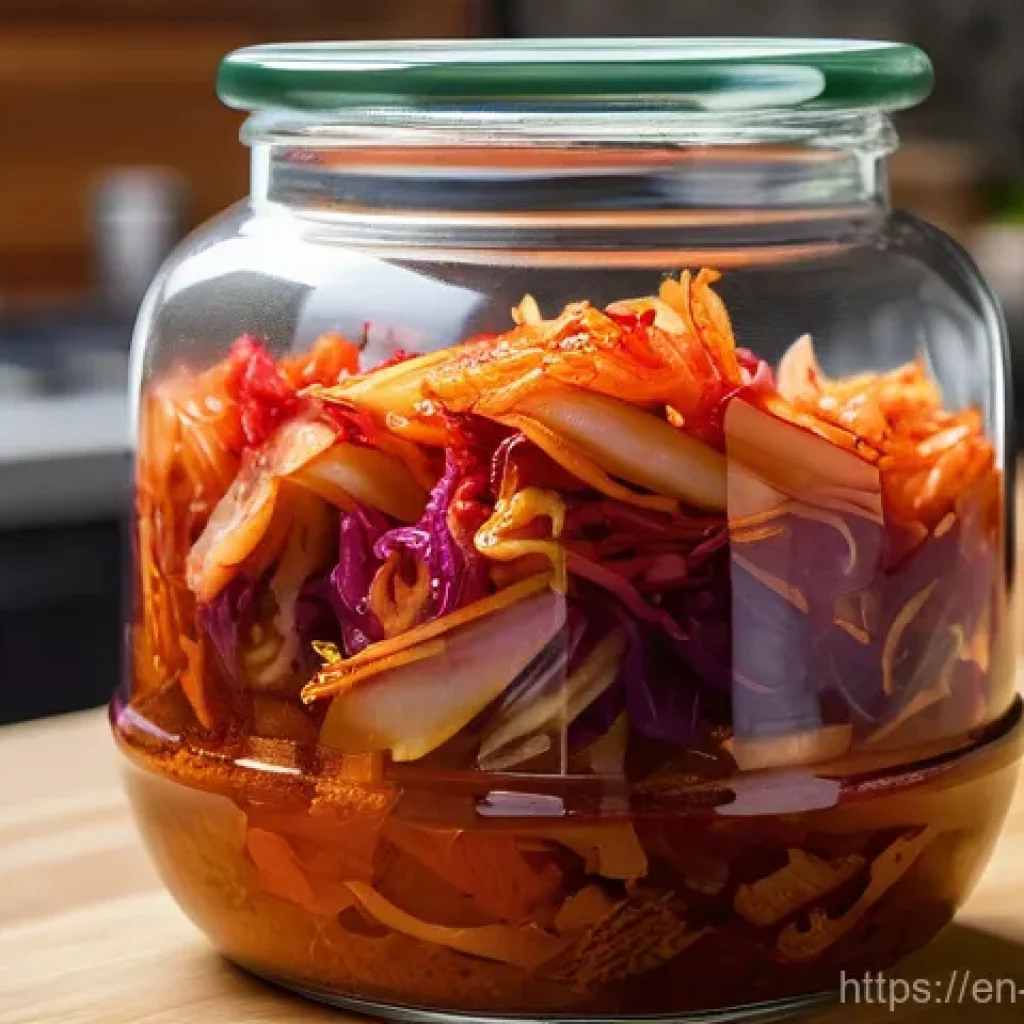
Ah, kimchi! The undisputed king of banchan, and a perfect example of how fermentation changes the storage game. Unlike many other side dishes, kimchi isn’t just about preserving; it’s about *evolving*.
When I make a fresh batch of napa cabbage kimchi, I often leave a small amount out at room temperature for a day or so to kickstart that glorious fermentation process.
But once it hits the fridge, that’s where the magic really happens – it continues to ferment slowly, developing deeper, more complex flavors over weeks and even months.
I’ve found that the key here is an airtight container, preferably glass, to prevent odors from spreading and to keep other foods from absorbing that distinct kimchi aroma.
The main challenge with kimchi is actually *too much* fermentation if not properly refrigerated, leading to a sourness that might be too intense for some, though I personally love it in kimchi jjigae!
For me, a well-sealed container means I can enjoy my kimchi in different stages of fermentation, from fresh and crisp to wonderfully aged and pungent.
Delicate Delights: Noodle and Vegetable Medleys
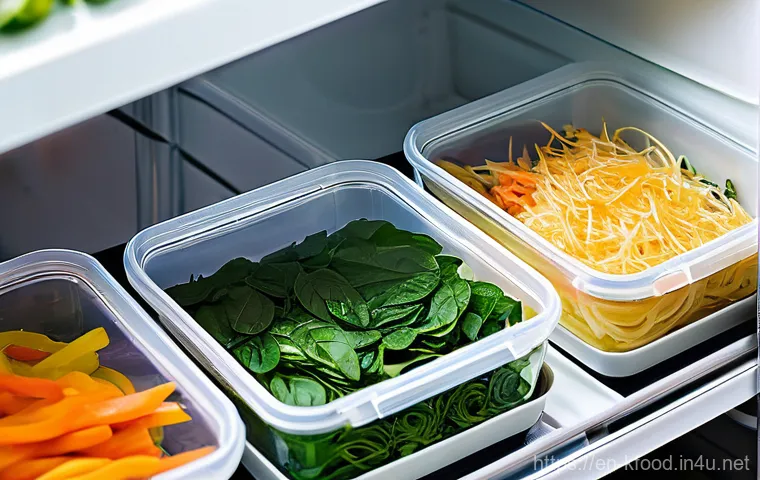
Then we have the more delicate banchan, like *japchae* (glass noodles with vegetables) or various *namul* (seasoned vegetable dishes). These are often cooked lightly and rely on fresh textures and vibrant flavors.
My rule of thumb here is immediate refrigeration and strict adherence to airtight containers. I learned this after a disheartening experience where my beautifully vibrant *sigeumchi namul* (spinach side dish) turned limp and lost its bright green hue after just a day in a poorly sealed container.
The enemy here is air exposure, which can quickly lead to spoilage and a loss of that fresh, crisp quality we all love. For something like *japchae*, which can sometimes dry out, I find that a tightly sealed container is vital to retain its moisture and the perfect chewiness of the noodles.
These dishes typically have a shorter shelf life, usually 3-5 days max, so I try to make them in smaller batches or plan to enjoy them sooner.
Savory Staples: Braised and Marinated Meats/Seafood
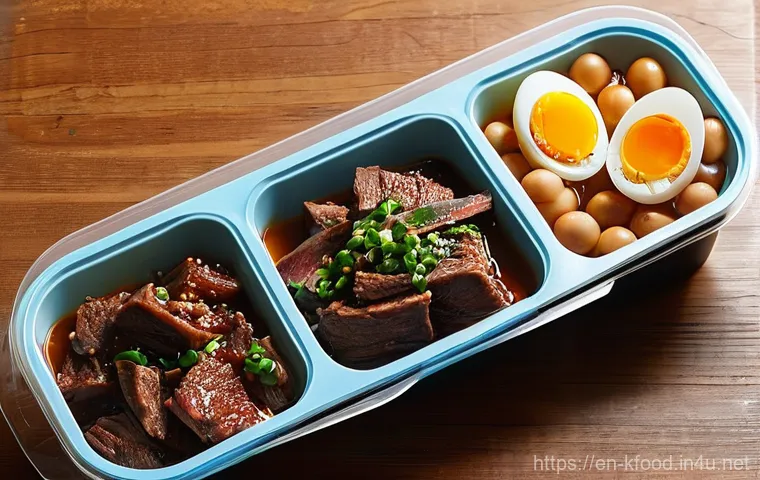
Finally, let’s talk about those hearty, savory banchan that often feature meat or seafood, like *jangjorim* (braised beef) or *myeolchi bokkeum* (stir-fried anchovies).
These tend to have a longer shelf life due to their cooking methods and ingredients. Braising, for instance, often involves a good amount of seasoning and a thorough cooking process, which naturally helps with preservation.
For dishes like *jangjorim*, I’ve noticed they sometimes taste even better the next day as the flavors have more time to meld together. Again, airtight containers are non-negotiable to prevent any strong odors from permeating other foods in your fridge.
For *myeolchi bokkeum*, its inherent dryness and the use of oil help it stay fresh for a good week or more, especially if you ensure no moisture gets in.
My secret for these types of banchan is to let them cool completely before storing, as putting warm food directly into the fridge can raise the temperature of other items and create condensation, which is a breeding ground for bacteria.
The Fridge is Your Friend: Mastering Cold Storage for Longevity
The refrigerator is, without a doubt, your banchan’s best friend. But simply shoving everything into the fridge willy-nilly isn’t going to cut it if you want to maximize freshness and flavor.
Trust me, I’ve been there, cramming containers wherever they fit, only to pull out a soggy kimchi or a sad-looking *namul* a few days later. It’s not just about keeping things cold; it’s about understanding the internal geography of your fridge and how different areas maintain different temperatures and humidity levels.
Learning how to properly utilize this essential appliance can genuinely transform your banchan game, extending their life and preserving their deliciousness.
I’ve noticed a huge difference in how long my side dishes last when I’m mindful of where I place them, and how I arrange them. It’s a small change in habit, but the payoff in reduced food waste and consistently tasty banchan is enormous.
Temperature Zones: Where Does Each Banchan Belong?
Your fridge isn’t one uniform temperature zone, and knowing this is a total game-changer for banchan storage. The back of the fridge, especially on lower shelves, tends to be the coldest, making it ideal for highly perishable items like raw meats or dairy.
For many of my vegetable-based *namul*, I prefer the middle shelves, where the temperature is consistently cool but not so cold that it might freeze delicate greens.
Kimchi, being a fermented food, is pretty robust, but I still keep it towards the back of the fridge to slow down its fermentation process as much as possible once it’s reached my desired level of sourness.
The door shelves, while convenient, are usually the warmest part of the fridge due to frequent opening and closing, so I reserve those for less sensitive items like sauces or unopened condiments, definitely not for delicate *banchan*.
Airtight is Key: Preventing Oxidation and Odor Transfer
This is probably the most critical rule for almost all banchan: use airtight containers. I can’t stress this enough! Air is the enemy of freshness, causing oxidation that can make vegetables wilt, flavors dull, and lead to quicker spoilage.
Plus, let’s be honest, nobody wants their milk to taste faintly of garlic or their fruit to smell like fermented kimchi. I learned this lesson early on when my entire fridge started to take on a rather pungent aroma because I hadn’t properly sealed my *kkakdugi* (radish kimchi).
Investing in good quality, airtight containers – whether glass or plastic with strong sealing lids – is one of the best kitchen decisions you can make.
It’s not just about prolonging the life of your banchan; it’s about maintaining the integrity of all the other food in your fridge, too.
Layering for Success: Stacking and Organizing Your Banchan
While space is often at a premium in my fridge, I’ve found that smart organization isn’t just about fitting everything in; it’s about optimal storage conditions.
I try to avoid stacking heavy containers directly on top of more delicate ones, as this can crush the contents of the lower container and compromise its freshness.
I also group similar items together – all the *namul* in one section, all the kimchi variations in another. This not only makes them easier to find (no more digging around for that elusive *eomuk bokkeum*!) but also helps maintain more consistent micro-environments within the fridge.
For instance, putting a bunch of fermented items together can create a slight temperature buffer. I also make sure there’s enough space for air to circulate around my containers; blocking all the vents can lead to warm spots, which is exactly what we’re trying to avoid.
Freezer Feats: When to Freeze and How to Do It Right
Freezing can be an absolute lifesaver for extending the life of your favorite banchan, but it’s not a universal solution. I used to think I could just freeze *anything*, only to be sorely disappointed when a delicate vegetable side turned into a watery, mushy mess after thawing.
It’s like trying to freeze a perfectly ripe avocado – it just loses its charm and texture! However, for certain types of banchan, the freezer can be your best friend, allowing you to enjoy homemade goodness weeks or even months down the line.
It’s all about knowing which dishes are freezer-friendly and, crucially, how to prepare them for their frosty slumber and bring them back to life without sacrificing their deliciousness.
My personal journey with freezing banchan has been a mix of trial and error, but I’ve definitely discovered some go-to methods that work wonders, especially when I’ve batch-cooked a larger quantity than I can eat in a week.
Freezing-Friendly Banchan: What Works and What Doesn’t
So, what *can* you freeze successfully? From my experience, cooked and seasoned dishes that have a lower water content or a heartier texture tend to fare best.
Think *jangjorim* (braised beef), *myeolchi bokkeum* (stir-fried anchovies), or even some types of pan-fried fish like *godeungeo gui* (grilled mackerel).
The key is that the texture holds up well to the freezing and thawing process. On the other hand, fresh *namul* or highly watery dishes like *oi muchim* (spicy cucumber salad) are generally a no-go.
They tend to become mushy and lose their vibrant texture upon thawing, transforming into something far less appealing. I once tried freezing a fresh *kongnamul muchim* (bean sprout salad) and it was a disaster – totally limp and watery.
So, before you commit your precious banchan to the ice box, consider its composition and texture.
The Thaw-and-Serve Strategy: Best Practices for Revival
Thawing is just as important as freezing, and doing it correctly can make or break your frozen banchan experience. My preferred method is a slow thaw in the refrigerator overnight.
This gentle approach helps maintain texture and prevents rapid temperature changes that can affect food quality. For dishes like *jangjorim*, I sometimes gently reheat it on the stovetop to bring back its warmth and infuse the flavors.
For items like *myeolchi bokkeum*, a quick pan-fry or even a microwave blast can bring back some of its original crispiness or chewiness. However, be cautious with microwaving, as it can sometimes lead to uneven heating or drying out.
Always taste and adjust seasonings after thawing, as flavors can sometimes mellow out in the freezer.
Portioning Perfection: Making Freezing Convenient
If you’re going to freeze banchan, don’t just throw a giant batch into one container. Trust me, future you will regret it! I learned this lesson when I had to thaw a huge block of *jangjorim* just to get a single serving, which then meant refreezing the rest – a big no-no for food safety and quality.
Instead, I always portion out my freezer-bound banchan into individual or small-serving sizes. Small, freezer-safe containers or even zip-top bags (with as much air removed as possible) work wonderfully.
This way, you can grab just what you need, thaw it, and enjoy, without compromising the rest of the batch. It makes quick meal additions so much easier during busy weekdays when cooking from scratch just isn’t an option.
Container Chronicles: Choosing the Best Vessels for Freshness
Choosing the right storage containers might seem like a minor detail, but it actually makes a huge difference in how long your banchan stays fresh and delicious.
I used to just grab whatever plastic container was clean, not really thinking about how it impacted the food inside. But after experiencing everything from plastic staining and odor absorption to containers that just didn’t seal properly, I realized that investing in good quality, suitable containers is just as important as the banchan recipe itself.
It’s not just about functionality; it’s about hygiene, maintaining flavor, and ultimately, ensuring your efforts in the kitchen don’t go to waste. My kitchen cabinets are now a testament to my container evolution, with a carefully curated collection that serves specific purposes for my beloved Korean side dishes.
Glass vs. Plastic: My Personal Preference and Why
For most of my banchan, especially anything with strong flavors like kimchi or garlic-heavy dishes, I overwhelmingly prefer glass containers. My reasoning is simple: glass doesn’t absorb odors or stains.
I’ve had too many plastic containers that ended up permanently smelling of *gochujang* or *doenjang*, no matter how many times I washed them. Plus, seeing the vibrant colors of the banchan through clear glass just makes my fridge look so much more appealing!
While glass can be a bit heavier and more prone to breaking, the benefits far outweigh these minor drawbacks for me. However, I do use BPA-free plastic containers for lighter-flavored dishes or when I need something less bulky for packing lunches.
Just make sure whatever plastic you choose is high-quality and designed for food storage.
Vacuum Sealing: A Game Changer for Extended Life
If you’re serious about extending the life of your banchan, a vacuum sealer can be a total game-changer. While not practical for every single banchan, especially very delicate or watery ones, it works wonders for things like dry-fried anchovies (*myeolchi bokkeum*), seasoned dried squid (*ojingeochae muchim*), or even larger quantities of braised meats like *jangjorim*.
By removing virtually all the air, you drastically slow down oxidation and the growth of spoilage-causing microorganisms. I’ve personally seen these types of banchan last twice as long (or even more!) when vacuum-sealed compared to just using a regular airtight container.
It’s an investment, for sure, but if you do a lot of batch cooking or enjoy making larger quantities of certain banchan, it pays for itself in reduced food waste.
Labeling and Dating: Your Future Self Will Thank You
This might sound like a minor tip, but trust me, it’s a lifesaver, especially if you’re like me and tend to make a variety of banchan each week. Nothing is more frustrating than pulling out a container from the fridge and playing a guessing game: “Is this the kimchi from Monday or last Tuesday?
And what exactly *is* in this one?” My current system involves using masking tape and a marker to clearly label each container with the banchan type and the date it was made.
For freezer items, I also add the date it was frozen. This simple habit eliminates any guesswork, helps me keep track of what needs to be eaten first, and ensures I’m consuming everything within its optimal freshness window.
It’s a small extra step, but it saves so much mental energy and prevents potential food waste down the line.
| Banchan Type | Best Storage Method | Approx. Fridge Life | Approx. Freezer Life | Tips for Freshness |
|---|---|---|---|---|
| Kimchi (e.g., Napa Cabbage Kimchi, Kkakdugi) | Airtight glass container | Weeks to months (flavor evolves) | Not recommended (texture changes) | Bury in its own brine; use a dedicated kimchi container to prevent odor transfer. |
| Fresh Namul (e.g., Spinach, Bean Sprouts, Cucumber Salad) | Airtight container, minimal air space | 3-5 days | Not recommended (becomes watery/mushy) | Store dry; dress just before serving if possible. |
| Braised/Marinated Meats (e.g., Jangjorim, Bulgogi leftovers) | Airtight container | 5-7 days | 1-2 months | Cool completely before storing; portion into serving sizes for freezing. |
| Stir-fried/Dry Banchan (e.g., Myeolchi Bokkeum, Ojingeochae Muchim) | Airtight container, vacuum seal for longer life | 1-2 weeks | 2-3 months | Ensure no moisture is introduced; can re-fry lightly to refresh. |
| Noodle Dishes (e.g., Japchae) | Airtight container | 3-4 days | Not recommended (noodles can become mushy) | Add a tiny splash of oil or water when reheating to prevent drying out. |
Reviving and Reimagining: Making the Most of Leftovers
Even with the best storage practices, sometimes you have a little bit of banchan left that’s perfectly safe to eat but perhaps isn’t as fresh as it once was, or you just want to shake things up.
This is where the fun begins for me – transforming those last bits into something new and exciting! I absolutely hate wasting food, so I’ve gotten pretty creative over the years with giving my banchan a second life.
It’s like a little culinary challenge to see how I can reinvent a dish, and honestly, some of my favorite impromptu meals have come from these “leftover transformations.” This approach not only minimizes food waste but also adds an unexpected twist to my meal rotation, keeping things interesting and ensuring every delicious morsel is appreciated.
Quick Fixes: Bringing Banchan Back to Life
Sometimes, a banchan just needs a little pick-me-up to regain its former glory. For something like *japchae* that might have dried out a bit in the fridge, a quick pan-fry with a tiny splash of sesame oil and perhaps a sprinkle of fresh sesame seeds can really revive its flavor and texture.
For *namul* that’s looking a bit sad, a fresh drizzle of sesame oil, a pinch of salt, or a dash of fresh garlic can instantly brighten it up. I’ve found that a little heat can do wonders for many cooked banchan – a quick sauté can bring back aromas and improve texture.
Just be careful not to overcook, as that can make things worse! It’s all about gentle heat and minimal additions to coax out those dormant flavors.
Beyond the Side Dish: Creative Uses for Leftover Banchan
This is my favorite part! Leftover banchan are fantastic ingredients for entirely new dishes. My go-to is often *bibimbap* – just toss all those various *namul*, some kimchi, and maybe a bit of *jangjorim* over rice with a fried egg and *gochujang*.
Absolutely delicious! Leftover kimchi is, of course, a star in *kimchi jjigae* (kimchi stew) or *kimchi bokkeumbap* (kimchi fried rice). Even *japchae* can be pan-fried with rice for a quick meal.
I once had a small amount of *eomuk bokkeum* (fish cake stir-fry) left, and I chopped it up and added it to an omelet – surprisingly tasty! The possibilities are truly endless, and it’s a wonderful way to prevent food waste while discovering new favorite recipes.
Don’t Toss It: When to Call It Quits (and How to Tell)
While I’m all for extending the life of banchan, there comes a point where it’s safer and wiser to let go. Trust your senses first and foremost. If something smells off, has visible mold, or its texture has completely changed in a way that doesn’t seem right (e.g., slimy vegetables, very odd coloration), it’s time to say goodbye.
Don’t risk foodborne illness to save a small portion of banchan. Generally, fresh *namul* lasts 3-5 days in the fridge, while fermented items like kimchi can last weeks to months.
Braised meats and drier stir-fries might last up to a week. When in doubt, it’s always better to err on the side of caution. My motto: if it doesn’t look or smell appealing, it’s not worth the risk.
Common Mistakes to Avoid for Banchan Bliss
Even with the best intentions and the freshest ingredients, storage mistakes can derail your banchan dreams. Believe me, I’ve made almost every single one of them at some point in my culinary journey, from leaving containers open to thinking “just one more day” was perfectly fine.
These little slip-ups can lead to everything from dull flavors and soggy textures to, worst case scenario, food spoilage. But the good news is that they are easily avoidable once you’re aware of them!
Learning from my own blunders and from countless cooking forums has taught me that a few simple precautions can make all the difference in keeping your banchan fresh, safe, and ready to enjoy whenever hunger strikes.
It’s about being mindful and intentional with your storage habits.
Overstuffing Your Fridge: Airflow Matters More Than You Think
It’s so tempting to cram every last bit of grocery shopping and meal prep into your fridge, isn’t it? But an overcrowded fridge is actually counterproductive to keeping food fresh.
I once had my fridge so packed that I noticed certain areas just weren’t getting as cold as they should. This is because proper airflow is essential for maintaining consistent temperatures throughout the entire refrigerator.
When air can’t circulate effectively, you end up with warm spots, which can dramatically speed up spoilage for your delicate banchan. Try to leave a little space between containers and avoid blocking the vents.
It might mean a bit more organization upfront, but it pays off in prolonged freshness and a more efficient fridge.
Ignoring Expiration Cues: Trust Your Senses
While some banchan, like aged kimchi, can defy conventional “expiration” dates, for most other side dishes, you need to be vigilant. Relying solely on a mental note of “I made this on Monday” isn’t always enough, especially with a busy schedule.
As I mentioned before, clear labeling and dating are crucial. Beyond that, always use your senses. Does it smell right?
Does it look right? Is the texture what it should be? If you see any signs of mold, unusual discoloration, or if there’s an ‘off’ smell, it’s safer to discard it.
Don’t try to salvage it by cutting off the bad parts, especially with soft or porous foods, as mold often has roots you can’t see.
Mixing and Matching: Keeping Flavors Separate
While I adore the communal aspect of Korean meals with multiple banchan, when it comes to storage, separation is key! I learned this the hard way when a strong garlic-laden *namul* made my delicate *gireum tteokbokki* (pan-fried rice cakes) taste strangely garlicky.
Different banchan have different flavor profiles, and if stored together in the same unsealed container, those flavors can (and will!) transfer. This is particularly true for fermented dishes like kimchi, whose strong aroma can easily permeate other foods.
Always use separate, airtight containers for each type of banchan to prevent unwanted flavor migration and keep each dish tasting exactly as it should.
Smart Shopping and Prep: A Proactive Approach to Storage
Effective banchan storage doesn’t just start when you put the leftovers in the fridge; it actually begins much earlier, right from the moment you plan your meals and do your grocery shopping.
I’ve found that being proactive in my approach, thinking ahead about quantities and preparation methods, makes a world of difference in how long my banchan lasts and how much food waste I generate.
It’s like building a strong foundation for a house – if you get the initial steps right, everything else falls into place much more smoothly. This mindful approach to cooking and storing has genuinely saved me time, money, and a lot of frustration over the years, allowing me to enjoy fresh, delicious banchan throughout the week without constant trips to the store or endless cooking sessions.
Buying Smart: Quantities and Quality for Longevity
When I’m at the grocery store, I try to be realistic about how much banchan I’ll actually consume in a given week. It’s so easy to get carried away and buy too many vegetables or too much meat, only to have some of it spoil before I get a chance to cook it.
I’ve learned to buy smaller quantities of very perishable items, or only buy larger amounts if I have a specific plan for how to store or freeze the excess.
Also, the quality of your ingredients matters! Fresher, higher-quality produce and meats will naturally last longer than items that are already past their prime.
So, take a moment to inspect your greens, check the firmness of your radishes, and ensure your fish looks bright and clear. Starting with good ingredients sets you up for storage success.
Batch Prep Brilliance: Maximizing Your Efforts
One of my favorite ways to ensure I always have delicious banchan on hand without daily cooking is through smart batch prepping. Instead of making just one serving of *sigeumchi namul*, I might make a larger batch that can be portioned out for 2-3 meals.
For longer-lasting items like *jangjorim*, I’ll make a big pot and then portion it directly into freezer-safe containers once cooled. This strategy saves me so much time during busy weeknights and ensures I always have a variety of side dishes ready to grab.
The key here is to cool everything down completely and store it immediately after cooking to lock in freshness and prevent bacterial growth.
Cooling Down: The Golden Rule Before Storing
This is a golden rule that I can’t emphasize enough: always, *always* let your cooked banchan cool down completely to room temperature before putting it into the refrigerator.
I know, I know, it’s tempting to just pop that warm container right into the fridge, especially when you’re in a hurry. But putting warm or hot food directly into the fridge can raise the internal temperature of the entire appliance, potentially bringing other foods into the “danger zone” where bacteria can multiply rapidly.
Plus, it creates condensation inside the container, which can lead to sogginess and quicker spoilage. I usually let my cooked dishes sit on the counter for an hour or two, uncovered, until they are no longer steaming, then cover them tightly and transfer them to the fridge.
It’s a small step that makes a huge difference.
글을 마치며
Whew! We’ve journeyed deep into the art and science of banchan storage, haven’t we? From understanding the unique needs of different types of Korean side dishes to mastering the various tools and techniques at our disposal, I truly hope this comprehensive guide has empowered you to keep your banchan fresh, delicious, and safe for longer. I’ve personally experienced the frustration of wasted food and the joy of perfectly preserved flavors, and sharing these insights feels incredibly rewarding. Remember, it’s not just about saving money, though that’s a fantastic bonus; it’s about honoring the effort put into making these wonderful dishes and maximizing every single bite. By implementing these strategies, you’re not just storing food; you’re investing in your culinary happiness and reducing your environmental footprint, one perfectly kept banchan at a time. So go forth, my fellow food lovers, and let’s make every meal a delightful experience!
알아두면 쓸모 있는 정보
1. Embrace the Chill Factor Promptly: Don’t let your beautifully cooked banchan sit out at room temperature for too long after preparation. As soon as it’s cooled down, usually within an hour or two, whisk it away into the chilly embrace of your refrigerator. This rapid cooling halts bacterial growth and locks in that fresh-from-the-kitchen flavor. It’s a simple step, but trust me, it’s one of the most impactful things you can do for food safety and longevity. I’ve seen dishes go south quickly when this rule is ignored, and it’s always a bummer to waste good food!
2. Container Choice is Not Trivial: While any old container might seem fine, the right vessel can truly elevate your storage game. My top recommendation, especially for anything with strong aromas like kimchi or spicy sauces, is always high-quality glass with airtight lids. Not only does glass prevent those stubborn odors from permeating your fridge and other foods, but it also won’t stain or absorb flavors over time. For more delicate items, ensure your plastic containers are BPA-free and feature a robust seal. Investing in a good set of storage containers is like giving your banchan a first-class ticket to freshness.
3. The Power of the Pen (and Label): This might sound super basic, but trust me, labeling and dating your banchan is a total game-changer, especially if you’re like me and often have multiple types of deliciousness in your fridge. A quick sticky note or a piece of masking tape with the dish name and date it was made (and frozen, if applicable!) eliminates all guesswork. No more opening a container wondering, “Is this from Monday or last week?” This simple habit keeps your fridge organized, reduces waste by ensuring you eat things in order, and gives you peace of mind.
4. Freezer: Friend, Not Foe (But Know its Limits): While the freezer is a fantastic tool for extending the life of many cooked dishes, it’s not a magic bullet for everything. My hard-earned experience has shown me that delicate, fresh vegetable banchan like sigeumchi namul or oi muchim often turn into a watery, limp disappointment after thawing. Save your freezer space for heartier, cooked items like jangjorim or myeolchi bokkeum that can withstand the freeze-thaw cycle without losing their textural integrity. Knowing what works best ensures you’re not wasting your effort or your precious banchan.
5. Reinvent, Don’t Reject: Leftover Love: Even if a banchan isn’t as ‘fresh’ as day one, it doesn’t mean it’s destined for the bin! Think of it as a pre-seasoned ingredient ready for a new life. Slightly sour kimchi is absolutely divine in kimchi jjigae or kimchi bokkeumbap. Various namul can be combined with rice and an egg for an instant bibimbap. My general rule is to look for ways to incorporate slightly older banchan into cooked dishes where its texture might be less critical but its flavor can shine. This approach not only prevents food waste but also sparks culinary creativity in unexpected ways!
중요 사항 정리
To truly unlock the secret to lasting banchan bliss, remember these core principles that I always fall back on:
-
Understand Your Banchan: Each type has unique storage needs, whether it’s fermentation-friendly kimchi or delicate fresh vegetables. Tailor your approach.
-
Airtight & Organized: Quality, airtight containers are your best friends for preventing spoilage and flavor transfer. Keep your fridge tidy for optimal airflow and easy access.
-
Cool First, Store Second: Always cool cooked dishes completely before refrigeration to maintain food safety and prevent condensation.
-
Labeling is Loving: A simple label with the date saves guesswork, reduces waste, and helps you enjoy everything at its peak.
-
Freeze Smart, Not Random: Only freeze banchan that can genuinely hold up to the process, and always portion them for convenience.
-
Reduce, Reuse, Reimagine: Don’t let anything go to waste! Get creative with leftovers to craft new, delicious meals.
By integrating these habits into your kitchen routine, you’ll not only enjoy fresher banchan for longer but also gain a deeper appreciation for the effort that goes into every single Korean side dish. Happy storing!
Frequently Asked Questions (FAQ) 📖
Q: How long can I generally store Korean side dishes in the fridge, and what’s the best way to keep them fresh and delicious?
A: Oh, this is such a fantastic question, and one I get asked all the time! Honestly, the lifespan of your beloved banchan can vary quite a bit, but with the right tricks, you can totally extend their deliciousness.
Generally, most fresh vegetable banchan, like those delicate seasoned bean sprouts (kongnamul) or spinach (sigeumchi namul), are at their peak for about 3 to 5 days in the fridge.
Think of them as vibrant salads; they’re best when enjoyed relatively soon after they’re made. Now, for the real game-changer: airtight containers! This isn’t just a suggestion; it’s a golden rule in my kitchen.
When I first started making banchan, I’d just toss them into any old container, and they’d dry out or absorb weird fridge smells so quickly. But once I switched to proper airtight containers – especially glass ones, because they don’t hold onto odors like plastic can – it made a world of difference.
They lock in the freshness, keep out unwanted aromas, and prevent those precious flavors and textures from deteriorating too fast. Make sure your containers are completely sealed; it’s like giving your banchan a cozy, protected little home in your fridge!
Q: Do different types of banchan require different storage methods to stay good?
A: Absolutely! This is where knowing your banchan truly shines. Not all side dishes are created equal when it comes to storage, and I’ve learned this through plenty of trial and error in my own kitchen.
Take our queen, Kimchi, for example. Because it’s a fermented superstar, properly stored Kimchi can actually last for weeks, even months, in the fridge, and some varieties can even age for years!
The flavor deepens beautifully over time. My top tip for Kimchi is to use a dedicated Kimchi container, or at least a very secure one, because that potent, delicious aroma can definitely permeate other foods.
Also, always use a clean utensil when serving to avoid introducing bacteria into the main batch, which helps it last longer. For those lovely pickled banchan, like spicy cucumber salad (oi muchim) or pickled radishes, they tend to last longer than fresh vegetable dishes, usually up to 1-2 weeks.
The vinegar and salt act as natural preservatives. With these, I’ve found it super helpful to drain any excess liquid before putting them away. This prevents them from getting too soggy or overly salty as they sit, keeping that satisfying crunch.
Then we have what Koreans call “meet-banchan” (밑반찬) – these are the long-term warriors, often seasoned, stir-fried, or braised dishes like braised potatoes (gamja jorim) or stir-fried dried anchovies.
These are designed to be kept for weeks, sometimes even a month or two, because their preparation often includes ingredients like soy sauce or oil that act as preservatives.
These are perfect for meal prepping because they hold up so well!
Q: Can I freeze banchan to make them last even longer, and how can I tell if a side dish has gone bad?
A: Freezing banchan is a question I hear a lot, especially from busy folks looking to maximize their meal prep! And while the idea is tempting, it’s a bit of a mixed bag.
For many fresh or delicate banchan, like most namul (seasoned vegetables), freezing isn’t ideal because their texture can change dramatically once thawed, often becoming soft or watery.
Trust me, I’ve tried freezing sigeumchi namul before, and it just wasn’t the same; that lovely crispness was totally lost! However, there are some exceptions!
Heartier items like Korean pancakes (pajeon) or mandu (dumplings) freeze beautifully. Some cooked meat banchan or certain types of stir-fries can also do well.
If you do decide to freeze something, make sure it’s in a freezer-safe, airtight container or bag, and try to remove as much air as possible to prevent freezer burn.
Now, for the not-so-fun part: knowing when your banchan has gone bad. It’s important to trust your senses here. First, look at it.
Do you see any visible mold? Is there an unusual slimy film, especially on items like seasoned vegetables or lunch meats? If so, it’s time to say goodbye.
Next, smell it. Does it have an off, sour, or rancid odor that wasn’t there when you first made it? That’s usually a clear sign.
Finally, check the texture. If something that should be firm or crunchy is suddenly limp, mushy, or completely changed its form, it’s a red flag. When in doubt, it’s always better to play it safe and toss it.
There’s plenty more delicious banchan to be made!